Updated on: 2025-12-25
If you are considering an aged brass faucet for your kitchen or bath, this guide explains how the warm patina pairs with different styles, how to care for the finish, and what to look for before you buy. You will find myths debunked, gentle maintenance tips, and design ideas that feel modern yet timeless. A short personal story shows what to expect in daily use, and a Q&A addresses common questions about durability, cleaning, and fit. By the end, you will feel confident choosing a brass fixture that complements your space and lasts.
Table of Contents
- 1. Introduction
- 2. Choosing an aged brass faucet: style, care, and buying tips
- 2.1 Style pairings
- 2.2 Care basics
- 2.3 Buying checklist
- 3. Myths vs. Facts
- 4. Personal Experience
- 5. Final Thoughts & Takeaways
- 6. Q&A Section
- 7. About the Author
Introduction
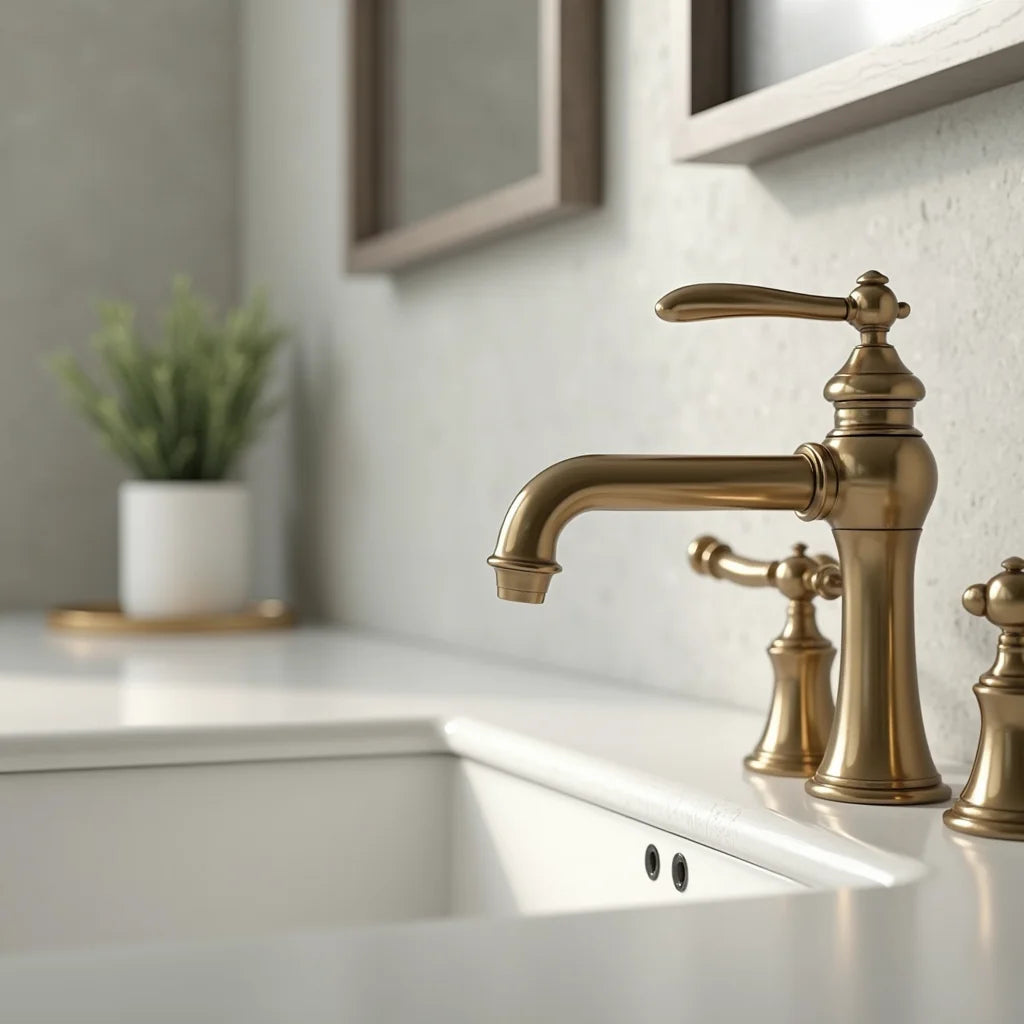
Brass fixtures offer a gentle glow that feels inviting and sophisticated. When the finish is intentionally timeworn, the metal looks settled-in rather than shiny, giving rooms a calm, collected character. This patina-friendly look suits both new builds and refresh projects, because it blends with wood, stone, and painted cabinetry with ease. In calm lighting, the finish reads soft and golden; in brighter rooms, it becomes a warm accent that anchors the space. The goal of this guide is to help you choose the right fixture, care for it kindly, and feel at ease about long-term use and cleaning.
Along the way, you will see simple comparisons, small maintenance routines, and design ideas that do not require big changes. Whether you lean modern, transitional, or classic, the right brass tap can bridge styles gracefully. If you want inspiration, you may also enjoy exploring curated collections like bathroom faucets or kitchen faucets for finish options and silhouettes that fit many sinks and counters.
Choosing an aged brass faucet: style, care, and buying tips
When comparing finishes, think about how the metal will look next to your countertop, backsplash, and hardware. A patina-ready surface introduces gentle variation over time. It softens sharp lines and gives modern spaces warmth. In classic kitchens and baths, it adds depth so the room does not feel flat or overpolished. Pairing this finish with satin or brushed metals avoids a jarring contrast, and keeping the palette simple lets the tap become a quiet focal point.
Style pairings
- Warm stone and quartz: Cream, sand, or biscuit tones highlight the glow of brass and make the room feel cozy.
- Matte black accents: Lightly mix in black cabinet pulls or a framed mirror to create gentle contrast without harshness.
- Natural wood: Oak, walnut, or ash brings a grounded feel that complements the timeworn sheen.
- Classic tile: Soft-white subway or zellige with slight variation pairs beautifully with the nuanced finish.
If you prefer to see examples, this article on vintage styling may inspire finishes and shapes that age gracefully: vintage brass guide. It offers real-life pairings and helpful perspective on mixing metals in a calm, cohesive way.
Care basics
Routine care is gentle and quick. Wipe the surface with a soft cloth after use to reduce water spots. For deeper cleaning, a mild dish soap and warm water solution is usually enough. Avoid abrasive pads and harsh chemicals; they can remove protective coatings or mark the surface. If your fixture has a living finish, expect natural changes. This patina is part of the charm and often hides small smudges better than bright finishes.
When needed, you can apply a small amount of non-abrasive wax to slow moisture contact on high-touch areas. Test any product in an inconspicuous spot first. If your finish is sealed, simply maintain your regular wipe-down routine and stay away from acidic cleaners. In most households, a minute or two of care a day keeps the metal looking calm and inviting.
Buying checklist
- Valve type and reliability: Look for ceramic disc cartridges for smooth, drip-free operation.
- Solid-brass construction: It provides heft, durability, and long-term stability at joints and threads.
- Finish type: Clarify whether the finish is sealed or living so you know how it will change over time.
- Fit and compatibility: Confirm hole count, reach, and height for your sink. Check deck thickness and supply line size.
- Water flow and aeration: Choose a balanced flow that feels comfortable for daily washing without splashing.
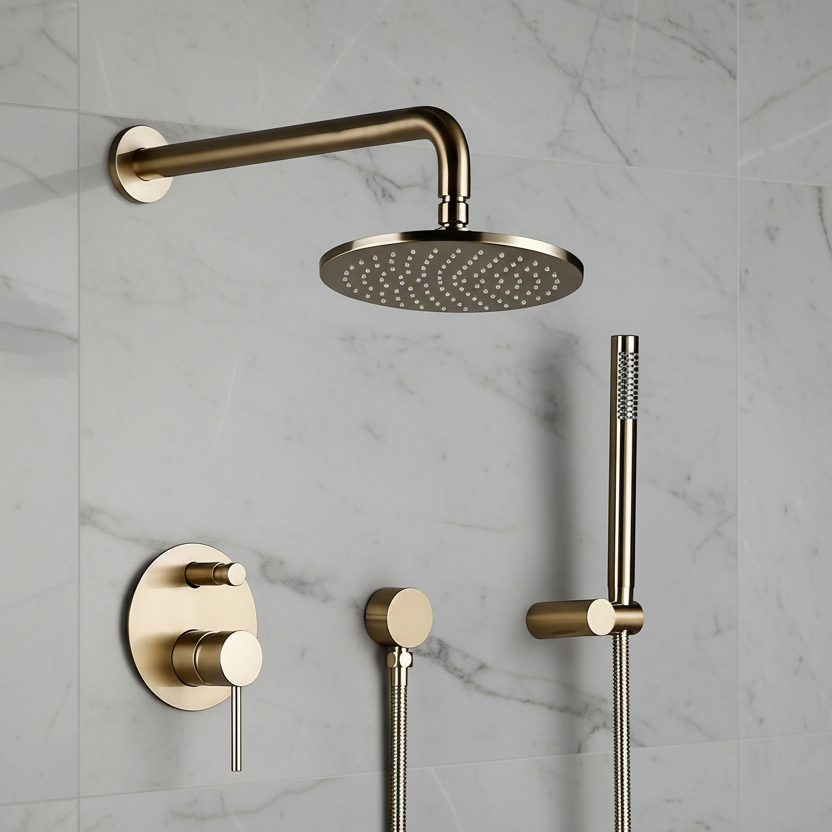
If you are exploring a coordinated look, consider pairing your tap with a matching shower trim. Sets like this solid brass shower set help create a unified finish story across the room. For kitchens with a love of traditional silhouettes, the antique brass pull-down offers both reach and visual warmth.
Myths vs. Facts
-
Myth: Brass finishes are high-maintenance and stain easily.
Fact: Routine wipe-downs with a soft cloth are usually enough. A mild soap-and-water clean keeps the surface fresh. -
Myth: Patina means the fixture is damaged.
Fact: A living finish is designed to change subtly. The evolving tone is a natural characteristic, not a flaw. -
Myth: Warm brass only works in traditional homes.
Fact: The finish grounds modern spaces too. It tempers stark lines and adds texture without visual noise. -
Myth: Brass is less durable than stainless steel.
Fact: Solid-brass bodies are strong, corrosion-resistant, and long-lasting when paired with quality valves. -
Myth: Mixing metals is a design mistake.
Fact: Thoughtful mixing creates depth. Keep undertones consistent and limit your palette for harmony. -
Myth: All brass finishes look the same.
Fact: There are sealed, unlacquered, brushed, and antique-treated options. Each ages, reflects light, and wears differently.
Personal Experience
During a small kitchen refresh, I swapped a chrome mixer for an aged brass faucet and changed nothing else. The space looked warmer instantly, and the soft gleam tied together wood shelves and cream tile without effort. Day to day, I simply wiped the spout and handle after rinsing dishes. Water spots were less noticeable than on a mirror-bright finish, and the handle feel was reassuringly smooth.
Over time, the metal developed a mellow tone at edges and along the lever. Those subtle shifts were gentle, not dramatic, and they gave the sink area a lived-in character I appreciated. The change felt natural, like leather that softens with use. If you enjoy surfaces that tell a quiet story, this kind of finish can be a kind companion in busy rooms.
Final Thoughts & Takeaways
A warm brass tap offers comfort, texture, and a timeless look that settles into many styles. With soft cleaning and mindful product choices, the finish stays beautiful and inviting. Choose solid materials, reputable cartridges, and dimensions that suit your sink for long-term ease.
- Keep maintenance simple: soft cloth, mild soap, and gentle drying.
- Plan your palette: pair with natural materials and restrained contrasts.
- Confirm specs: hole count, reach, height, and deck thickness before purchase.
- Coordinate finishes: consider matching sets or curated lines for harmony, such as Allfixture’s best sellers.
If you would like more guidance, browse Allfixture’s practical insights in the buying guides. They offer clear comparisons to help you shop with calm confidence.
Q&A Section
How do I clean a timeworn brass finish without damaging it?
Use a soft microfiber cloth with warm water and a drop of mild dish soap. Wipe gently and dry the surface to prevent water spots. Avoid abrasive pads, acidic cleaners, and bleach. If your fixture has a living finish, expect soft changes over time; they are part of the design. For sealed finishes, stick to gentle cleaners and skip polishes that could dull the coating.
Will the finish darken or change color?
It can, depending on whether the surface is sealed or unlacquered. A living finish will shift in high-touch areas and near water, developing a subtle, organic look. Sealed versions are more stable and change less. If you prefer very consistent color, choose a sealed finish. If you like character, an unlacquered or antique-treated option may be a lovely choice.
How can I be sure the fixture will fit my sink and plumbing?
Check the hole configuration (single-hole, centerset, or widespread), spout reach, and overall height. Confirm deck thickness and supply line size. Most modern fixtures use standard connections, but it is helpful to review the specification sheet to avoid surprises. If you plan a full update, coordinating with matching shower or basin pieces—such as the shower sets collection—can also simplify planning.
About the Author
Allfixture Editorial Team
The Allfixture team explores fixtures, finishes, and practical design to help you create calm, beautiful spaces. We test, compare, and translate product details into clear guidance so you can shop with confidence. Thank you for reading—we are glad to be a helpful part of your project.