Buying Guides
Solid Brass Bathroom Faucets Buyers Guide For Lasting Quality
Solid Brass Bathroom Faucets Buyers Guide For Lasting Quality: Discover how to pick durable, stylish fixtures, avoid pitfalls, and invest wisely.
Learn moreThermostatic Shower Controls: Why Temperature Matters
Thermostatic Shower Controls: Why Temperature Matters—end cold shocks, save energy, and perfect every rinse with smart precision
Learn moreBrushed Gold Fixtures: Your Complete Buying Guide
Brushed Gold Fixtures: Your Complete Buying Guide to styles, finishes, and care. Turn any room into a showpiece with warm, timeless shine.
Learn moreExposed Pipe Shower Systems: Luxury Meets Modern Design
Exposed Pipe Shower Systems: Luxury Meets Modern Design that turns plumbing into art—sleek lines, bold finishes and spa-like pressure for a standout bath.
Learn moreElevate Your Kitchen with the Perfect Faucet from Allfixture
Are you in the midst of a kitchen renovation and feeling overwhelmed by the endless faucet options? Choosing the right faucet can make all the difference in the overall look and functionality of your kitchen. Fortunately, Allfixture is here to guide you through the process and help you find the perfect fixture to elevate your space. Understanding Faucet Types When it comes to kitchen faucets, there's no one-size-fits-all solution. From sleek and modern to traditional and timeless, the options are endless. Let's dive into the different styles to help you narrow down your choices. Kitchen Faucet Styles Allfixture offers a wide range of kitchen faucet styles, including: Single-handle faucets: These versatile options provide easy, one-handed control over water flow and temperature. Two-handle faucets: For a more classic look, two-handle faucets offer separate controls for hot and cold water. Pull-down faucets: With a retractable spray head, pull-down faucets offer enhanced functionality and flexibility. Pot-filler faucets: Designed to fill large pots and kettles, these faucets are a must-have for serious home chefs. Mounting Options Kitchen faucets can be mounted in a variety of ways, each with its own benefits: Deck-mounted: These faucets are installed directly onto the countertop, providing a sleek and seamless look. Wall-mounted: For a more unique and space-saving design, wall-mounted faucets free up valuable counter space. Farmhouse/apron-front sinks: If you have a farmhouse-style sink, you'll need a faucet that complements the aesthetic, such as a bridge or wall-mounted option. Handle Configurations The way you interact with your faucet is also an important consideration. Allfixture offers single-handle, double-handle, and even touchless options to suit your preferences and needs. Material and Finish Selection The material and finish of your faucet can have a significant impact on both its durability and its visual appeal. Allfixture's selection includes: Popular Materials Stainless steel: A classic choice known for its strength and resistance to corrosion. Brass: Offering a warm, traditional look, brass faucets are a timeless option. Ceramic: For a smooth, sleek finish, ceramic faucets are a modern and low-maintenance choice. Matching Your Decor Once you've narrowed down the material, consider how the finish will complement your kitchen's overall aesthetic. Allfixture offers a variety of finishes, including: Chrome: A shiny, reflective finish that works well in contemporary kitchens. Brushed nickel: A softer, more muted metallic tone that pairs beautifully with farmhouse or transitional styles. Oil-rubbed bronze: This rich, dark finish adds a touch of elegance to traditional or rustic kitchens. Key Features to Consider Beyond the aesthetics, there are several functional features to keep in mind when selecting your kitchen faucet from Allfixture: Water Efficiency Look for faucets with high-efficiency aerators or flow restrictors to help conserve water and reduce your utility bills. Spout Height and Reach Consider the height and reach of the faucet's spout to ensure it meets your needs, whether you're filling large pots or cleaning oversized dishes. Spray Patterns Many Allfixture faucets offer multiple spray settings, such as a powerful spray for cleaning or a gentle stream for filling containers. Installation Complexity Depending on your DIY skills and the configuration of your kitchen, you may want to opt for a faucet with a straightforward installation process. Budget and Quality Balance Faucets can range widely in price, from budget-friendly options to high-end, luxury models. When selecting your Allfixture faucet, consider the following: Price Range Overview Allfixture offers kitchen faucets at various price points to fit different budgets, from $100 to $500 and beyond. Long-term Investment While the initial cost may be higher, investing in a quality faucet from Allfixture can pay off in the long run with increased durability and reliable performance. Quality Indicators Look for features like ceramic disc valves, solid brass construction, and comprehensive warranties to ensure you're getting a high-quality faucet that will stand the test of time. Installation and Maintenance Tips Once you've selected the perfect Allfixture faucet for your kitchen, it's important to consider the installation and ongoing maintenance. Professional vs. DIY Installation While some homeowners may feel comfortable tackling the installation themselves, it's often best to hire a professional plumber to ensure a proper and secure fit. Cleaning and Care Proper cleaning and maintenance will help your Allfixture faucet retain its like-new appearance and function for years to come. Follow the manufacturer's recommendations for cleaning and avoid abrasive cleaners. Warranty Considerations Allfixture stands behind the quality of its products, offering comprehensive warranties that provide peace of mind and protection for your investment. Conclusion Choosing the right kitchen faucet from Allfixture can truly elevate the look and functionality of your space. By considering the various styles, materials, and features, you can find the perfect fixture to complement your kitchen's design and meet your everyday needs. With Allfixture's wide selection and commitment to quality, you can be confident that your new faucet will be a beautiful and reliable addition to your home.
Learn morePressure Balance Shower System Essentials for Safe Water
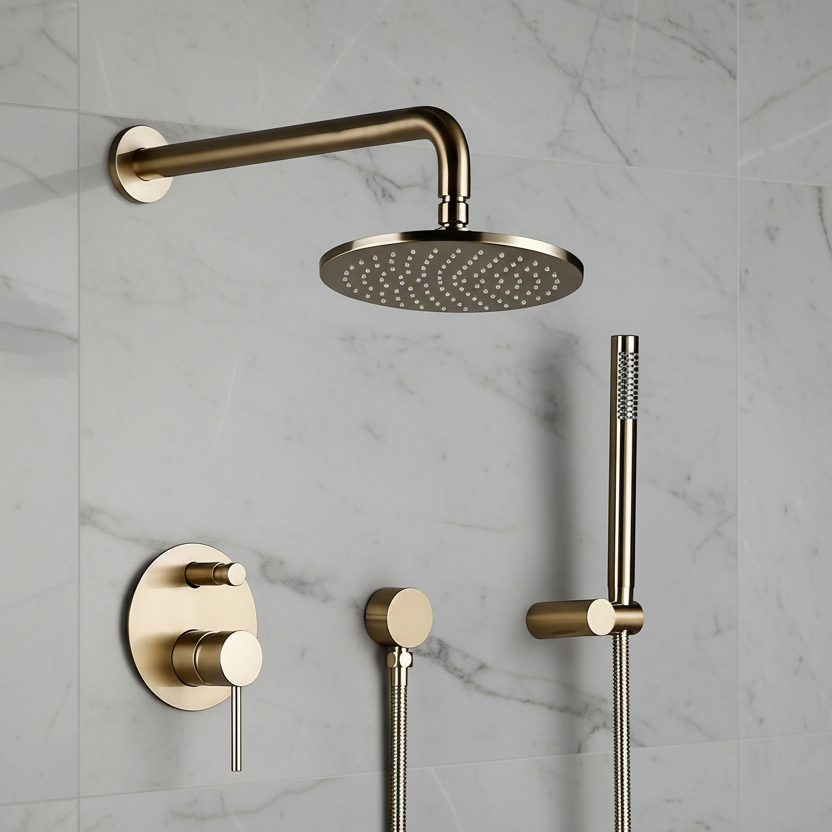
Updated on: 2025-12-28 A consistent, comfortable shower should feel effortless. This guide explains how balance valves help stabilize water temperature, how to plan a safe installation, and how to maintain reliable performance over time. You will also find practical tips, a step-by-step walkthrough, and answers to common questions. Whether you are refreshing a guest bath or fine-tuning a primary suite, the goal is a calm, steady shower experience powered by dependable components. For clarity, we also compare key features and routine care so you can make confident decisions. Introduction Step-by-Step Guide to Installing a pressure balance shower system Step 1: Assess water lines and shut-offs Step 2: Select a compatible valve and trim Step 3: Prepare the wall and rough-in depth Step 4: Connect supply lines and test for leaks Step 5: Calibrate temperature limit and flow Step 6: Install trim, seal, and final check Tips FAQs Wrap-up & Final Thoughts About the Author Introduction Few upgrades improve daily comfort like a stable shower temperature. A temperature-balancing valve reacts to sudden changes in water supply—such as a toilet flush—helping to minimize spikes that can feel too hot or too cold. This stability supports safety, comfort, and a more relaxing routine. In the guide below, you will find a clear explanation of how these valves work, what tools and parts you may need, and how to plan a careful installation. If you are browsing fixtures, you might appreciate exploring curated shower sets to see compatible valves, trims, and finishes in one place. Step-by-Step Guide to Installing a pressure balance shower system Please consider the steps below as general guidance. If you are unsure about local codes, existing plumbing conditions, or specialized tools, seeking assistance from a licensed professional may be helpful. The objective is to keep things safe, neat, and predictable so your shower feels steady every day. Step 1: Assess water lines and shut-offs Begin by locating the main supply shut-off and any branch shut-offs serving the bathroom. Confirm that both hot and cold lines are accessible and in good condition. It can be helpful to check water pressure with a gauge at a nearby spigot; a typical residential range is often around 40–60 psi. If pressure varies widely, consider a pressure-reducing valve at the main line to support consistent flow. Take photos of your current setup so you can reference pipe paths, stud locations, and any previous repairs while planning the rough-in. Step 2: Select a compatible valve and trim Choose a pressure-balanced mixing valve that matches your piping type (copper, PEX, or CPVC) and intended trim style. Verify the rough-in depth range on the valve’s plaster guard so the finished wall will sit within the manufacturer’s tolerance. Solid-brass bodies tend to offer long-lasting performance. If you would like an elegant, durable set to match, you may enjoy this thoughtfully designed solid brass shower set. Also review the temperature limit stop feature, which lets you cap the maximum handle rotation for added safety. Step 3: Prepare the wall and rough-in depth Open the wall where the valve will sit, keeping cuts clean and measured so future patching is simple. Dry-fit the valve using the plaster guard as a depth guide; the face should align with the finished surface range indicated by the manufacturer. Support the valve with blocking so it remains stable and does not twist when the handle turns. Aim to keep the shower arm outlet and tub spout (if present) at comfortable heights. Before final connections, map out the route for the handheld outlet or diverter, if your trim includes those features. Step 4: Connect supply lines and test for leaks With the valve secured, connect hot and cold supply lines. Use the appropriate fittings and follow best practices for each material. For threaded joints, apply thread sealant tape or compound as recommended. Pressurize the system and check each joint for moisture. It is kind to run water for a short period to flush debris from new piping. If you notice any seepage, depressurize, redo the joint, and test again. Taking a moment here to get a perfect seal will save time and worry later. Step 5: Calibrate temperature limit and flow Most balancing valves include an adjustable limit stop that prevents over-rotation toward the hottest setting. Run the shower and slowly increase temperature until you reach a comfortable maximum, then set the stop according to the manufacturer’s instructions. This small adjustment helps protect guests and family members who may prefer a gentle, predictable range. While testing, observe how quickly the valve responds to changes in supply pressure; steady performance is a good sign that installation is correct and the cartridge is working as intended. Step 6: Install trim, seal, and final check Once calibration is complete, fit the escutcheon, handle, diverter control (if supplied), and the showerhead or handheld bracket. Apply a thin bead of silicone behind the trim plate where manufacturers recommend sealing; this helps keep water from entering the wall cavity. Turn the water on, run both hot and cold, and test the handle movement. A smooth turn and consistent temperature indicate success. If you are coordinating finishes across the space, pairing your shower with matching bathroom faucets can create a cohesive look. Tips Choose a sturdy valve body. Brass components often offer reliable longevity and serviceability. Confirm rough-in depth before closing the wall. A misaligned valve can cause trim fit issues later. Protect the cartridge during tiling. Keep the plaster guard in place until grout has cured. Use clean, burr-free cuts on tubing. Smooth edges help ensure tight, leak-free joints. Label hot and cold supplies while walls are open. Clear markings can reduce errors. Set the temperature limit stop conservatively at first. You can fine-tune in small increments. Maintain with gentle descaling. Soak showerheads and remove mineral buildup for even flow. Keep documentation. Store the installation guide and a photo of the finished valve for future reference. FAQs What is the difference between a pressure-balanced valve and a thermostatic valve? A pressure-balanced design responds to fluctuations in hot and cold supply pressure to help reduce sudden temperature swings. A thermostatic valve, by contrast, uses a thermostat to maintain a set temperature even if both pressure and temperature vary, and it often provides separate controls for volume and temperature. Both improve comfort; thermostatic models typically offer finer control and higher cost. Can I retrofit this type of valve into an existing shower? Yes, in many homes. Retrofitting usually involves opening the wall, replacing the current mixing valve, and adjusting piping to match the new body and trim depth. Planning around tile, studs, and access points is important. If the layout is complex or you have uncertain plumbing conditions, seeking professional support may be wise. How do I prevent scalding for children or guests? Use the built-in limit stop to cap the handle rotation toward hot. Test with the water running and set a comfortable maximum. You may also add an anti-scald showerhead with flow control and keep regular maintenance to ensure the cartridge moves freely and responds quickly. Why does my shower get cooler when another tap runs? This often occurs because water supply pressure shifts when another fixture opens. A pressure-balancing cartridge compensates by adjusting the mix of hot and cold to keep the outlet closer to your target temperature. If swings persist, check that your home’s main pressure is steady and that the cartridge is clean and in good condition. Wrap-up & Final Thoughts When chosen and installed with care, a modern balancing valve creates a calm, reliable shower experience. The steps in this guide are designed to help you plan thoughtfully, make safe adjustments, and maintain dependable performance with simple upkeep. If you are comparing finishes or building a coordinated look, you may enjoy browsing best sellers for ideas that complement your space. With the right parts and a gentle approach, your shower can feel steady and comfortable day after day. About the Author Written by the Allfixture editorial team, specialists in bathroom and kitchen fixtures with a focus on practical, design-forward solutions. We test, compare, and explain components so you can choose with confidence and care. If you found this helpful, you might also explore our in-depth guides and curated collections for inspiration. Thank you for reading, and we wish you many comfortable showers ahead.
Learn moreConsole Sink Comfort: Stylish Space-Saving Bath Design
Updated on: 2025-12-27 This guide explains how to select, install, and style an elegant open-frame vanity for a calm, uncluttered bath. You will learn key measurements, mounting considerations, faucet compatibility, and care. We also outline common mistakes, pros and cons, and quick tips so your renovation feels smooth and thoughtful. If you appreciate airy design with practical function, this overview will support a confident choice. Introduction Choosing the Right Console Bathroom Sink Common Mistakes to Avoid Pros & Cons Analysis Quick Tips Wrap-Up & Key Insights Q&A Section What size works best for small bathrooms? Do open-console vanities offer enough storage? Can you install one over existing plumbing? Which faucet styles pair well? About the Author Section Allfixture Editorial Team Introduction A console bathroom sink blends a sleek basin with slim legs, creating an airy look that opens up floor space and light. Many homeowners choose this style to bring classic charm and practical access to small or medium baths. The slim frame makes cleaning easier, while the visible plumbing can be styled for a refined, tailored finish. In this guide, we walk through planning, measurements, faucet pairing, and upkeep. You will find gentle, step-by-step advice to help you avoid surprises and enjoy a graceful, long-lasting result. Choosing the Right Console Bathroom Sink Selecting the best fit begins with accurate measurement. Start by mapping the available wall width, then consider the projection from the wall to the front rim. An open-frame vanity often looks lighter than a full cabinet, but it still needs enough clearance around doors and walkways. If the room is narrow, a shallower projection supports movement and reduces elbow bumps. Material is the next consideration. Vitreous china offers a glossy, durable finish that resists stains. Fireclay is dense and traditional, with good scratch resistance. Stone or cast materials feel luxurious and substantial, though they may require more support and gentle care. If you prefer a vintage mood, consider an enameled metal frame or warm-toned brass legs. For modern minimalism, a slim stainless or matte-black frame pairs beautifully with white ceramics. Plumbing compatibility is important. Confirm the rough-in height and distance between supply lines and drain. Many open-console styles work with widespread, single-hole, or wall-mounted taps. If you are still choosing fixtures, exploring curated bathroom faucets can help you match finish, handle style, and spout reach. In wet zones, a coordinating shower system keeps the room coherent; browsing quality shower sets may simplify your palette and maintenance. Storage planning makes a large difference. Because the under-basin area is open, many people add a small shelf, baskets, or a nearby wall cabinet. Towels roll neatly on a low glass or stone shelf if the frame supports it. Visual balance is key: choose compact storage that keeps the spacious, floating feel. Finally, think about water containment and cleaning. A raised rim and adequate bowl depth help limit splashes. Choose a drain with a removable cover for simple debris cleanup. A coordinated P-trap and supply valves can turn exposed plumbing into a handsome design detail rather than something to hide. Common Mistakes to Avoid Skipping wall support checks: A legged basin often requires solid anchoring. Confirm studs or suitable blocking before installation. Underestimating height and reach: Measure user comfort. Counter height and faucet reach should allow easy handwashing with minimal splash. Forgetting the splash zone: Without side cabinetry, water can splash farther. Consider bowl depth, faucet angle, and a backsplash panel. Neglecting finish coordination: Exposed valves, P‑trap, and legs are visible. Matching finishes creates a calm, cohesive look. Overlooking storage: Relying on the open frame alone can lead to clutter. Plan a shelf, baskets, or a nearby cabinet. Installing on uneven floors: Slim legs show irregularities. Level carefully and protect feet with suitable pads or shims. Rushing the template: If a template is provided, trace and confirm hole locations twice to avoid misaligned anchors. Pros & Cons Analysis Advantages Airy look: The open frame makes compact rooms feel larger and brighter. Easier floor cleaning: With open access, sweeping and mopping are simpler. Timeless style: Works with classic, transitional, and modern designs. Showcase finishes: Exposed plumbing and metal legs can elevate the overall look. Flexible storage: Add a shelf or baskets without committing to heavy cabinetry. Considerations Less hidden storage: You may need alternative organizers to avoid clutter. Visible plumbing: Requires neat execution and coordinated finishes. Support and leveling: Precise installation is important for stability and alignment. Potential splash: Shallow basins or strong faucets may increase cleanup. Foot traffic clearance: Narrow rooms need careful measurement for comfortable passage. For inspiration beyond the bath, you may enjoy browsing best sellers to see finishes and profiles that stay popular over time. This can make coordinating metals and silhouettes more straightforward across your home. Quick Tips Measure twice, mount once. Confirm stud locations and anchor points before drilling. Mind spout reach. A spout that projects over the bowl center reduces splash. Choose a matching drain. A removable cap simplifies cleaning hair and debris. Protect the wall. A small backsplash or wipeable paint helps with moisture. Balance open storage. Two baskets or a narrow shelf keep essentials within reach without clutter. Use a soft cloth. Gentle weekly wiping preserves shine on metals and ceramics. Coordinate finishes. Keep to two or three metal tones for a calm, curated feel. Plan lighting. A sconce on each side of the mirror reduces shadows during grooming. Wrap-Up & Key Insights With careful measurement, finish coordination, and simple storage planning, an open-console vanity delivers everyday ease and a refined, spacious mood. If you prefer an uncluttered bath, this form offers style without heaviness. We hope these tips make your next steps feel comfortable. For more ideas across styles and budgets, our curated buying guides may be helpful as you compare options. When in doubt, take a moment to sketch your layout, confirm rough-ins, and review faucet reach. A thoughtful plan turns a console bathroom sink into a long-lasting centerpiece you will appreciate every day. Q&A Section What size works best for small bathrooms? For compact rooms, consider a narrower width and a modest projection. Many homeowners find that 18–20 inches of depth keeps movement comfortable while still offering a practical bowl. Slim legs and a generous mirror help create a brighter, more open feel. Do open-console vanities offer enough storage? They offer flexible, visible storage rather than concealed space. A small shelf, two coordinated baskets, and a nearby medicine cabinet usually cover daily essentials. If you need more capacity, a wall cabinet or a slim tower can help while preserving the light, open look. Can you install one over existing plumbing? Often, yes. Many models align with standard rough-ins, but it is wise to confirm supply and drain positions, wall blocking, and height before purchase. If adjustments are needed, minor shifts to supply lines or a decorative, adjustable P‑trap can provide a clean finish. Which faucet styles pair well? Widespread and wall-mounted taps are popular. A gentle, medium-height arc usually controls splash and fits a wide range of bowls. If you prefer a streamlined look, a single-hole mixer with a longer spout can be very comfortable. Matching the faucet finish to the frame and valves creates a calm, unified design. About the Author Section Allfixture Editorial Team The Allfixture team researches bath and kitchen fixtures to help you choose durable, beautiful products with confidence. We share practical guidance grounded in everyday installation and care. Thank you for reading, and we hope your project feels smooth and enjoyable.
Learn moreClawfoot Soaking Tub How to Choose Comfort and Style
Updated on: 2025-12-26 Thinking about adding a classic centerpiece to your bathroom? This guide gently walks you through choosing a timeless, freestanding bath on legs—covering materials, sizes, comfort features, and care. You will also find clear myths vs. facts, quick answers to common questions, and calm recommendations to help you feel confident. Whether you prefer cast iron heft or lighter acrylic, you will learn how to balance style, function, and maintenance with ease. Table of Contents Introduction Paragraph Product Spotlight: Clawfoot Soaking Tub Myths vs. Facts Frequently Asked Questions Final Recommendations Q&A Section What dimensions are most comfortable? How heavy are footed tubs? What is the easiest way to maintain them? Do I need special plumbing fixtures? About the Author Section Introduction Paragraph If you have been picturing a serene escape at home, a clawfoot soaking tub can be a graceful addition to your bathroom. This guide offers a calm, practical roadmap to help you find the right fit. You will learn how to compare materials like cast iron and acrylic, evaluate sizes for comfort and space, and think through installation basics. We will also touch on care, accessories, and style tips so your new bath looks beautiful and functions smoothly for years. Product Spotlight: Clawfoot Soaking Tub A classic footed bath blends elegance with everyday comfort. Many homeowners appreciate the deep basin that encourages a full-body soak and a relaxed posture. When considering materials, cast iron retains heat well and feels substantial. Acrylic is lighter, warms quickly, and is easier to move during installation. Both options can be long-lasting with gentle care. Shape influences comfort. A slipper design offers a higher backrest for neck support, while a double-ended model gives headroom at both ends. Pay attention to interior depth and floor-to-rim height so entering and exiting feels easy. If you prefer to stand and rinse, a compatible shower set with handheld can add gentle versatility without crowding the room. Finishes express personality. Classic white suits nearly every style. For a warm, heritage look, consider a painted exterior and polished or brushed feet. Pairing the bath with harmonized hardware—such as coordinating bathroom faucets—can help your space feel thoughtfully pulled together. If you love vintage character, you might enjoy our vintage brass faucet guide for finishing touches and care considerations. Myths vs. Facts Myth: Footed tubs always feel cold and lose heat fast.Fact: Cast iron holds warmth well once the water is hot, and acrylic warms quickly and retains heat efficiently during a typical soak. A pre-rinse with warm water can further improve comfort. Myth: A freestanding soaker will not fit small bathrooms.Fact: Compact sizes exist. Many models range from about 54 to 60 inches, offering deep soaking in a shorter footprint. Careful measuring and thoughtful placement can help. Myth: They are hard to clean.Fact: With mild soap, a soft cloth, and routine rinsing, maintenance is simple. Avoid abrasive pads to keep finishes looking new. Myth: Only traditional styles work with legged bathtubs.Fact: Sleek feet and matte or brushed finishes can feel modern. Pairing with minimalist fixtures creates a balanced, contemporary look. Myth: Installation always requires major remodeling.Fact: Many projects are straightforward, especially when plumbing is nearby. Floor stability and drain alignment are the main considerations. Frequently Asked Questions How do I choose between cast iron and acrylic?Cast iron offers weight, classic presence, and excellent heat retention. Acrylic is lighter, typically easier to maneuver, and warms quickly. Your choice may come down to floor support, desired feel, and budget. What size is comfortable for most adults?Many people find 60 inches long with a deep interior comfortable, though height and preference vary. If you like a curled posture, a shorter, deeper model can feel cozy. Will the floor need reinforcement?It depends on the bath weight when full and your floor structure. A professional can assess joists and subflooring and recommend any needed support before installation. Which fixtures match best?Deck-mounted or floor-mounted fillers both work. Choose finishes that echo your hardware and lighting. For coordinated styling, browsing best sellers may be helpful for inspiration. Can I add a shower?Yes. A curtain ring and a handheld sprayer are gentle ways to add flexibility. Ensure spray coverage and splash protection suit your layout. Final Recommendations To move forward calmly, consider these simple steps: Measure your space, doorway widths, and path of delivery. This makes selection and installation smoother. Sit-test when possible. The angle of the backrest and interior depth can make a meaningful difference in comfort. Match fixtures with intention. Coordinated finishes and styles—perhaps inspired by our vintage brass faucet guide—help your bath feel unified. Plan care early. Keep a soft cloth and mild cleaner nearby to maintain shine and prevent buildup. When you shortlist a clawfoot soaking tub, weigh material, weight, and shape against your daily routine. A balanced choice will feel welcoming, function with ease, and age gracefully with your home. Q&A Section What dimensions are most comfortable? Comfort varies, but many people appreciate a length around 58–60 inches with generous interior depth. Shorter users may prefer a compact, deeper model for full-immersion soaking, while taller users often enjoy added length. If you cannot sit-test, compare internal measurements rather than just the external size, as walls can vary in thickness. How heavy are footed tubs? A cast-iron bath can be quite heavy, especially with water. Acrylic is noticeably lighter, which can help during delivery and installation. To feel at ease, ask an installer to estimate full weight (tub, person, and water) and verify floor capacity before committing. What is the easiest way to maintain them? Rinse after use, wipe with a soft cloth, and use mild, non-abrasive cleaners. Avoid harsh chemicals and rough pads that may dull the surface or scratch fittings. Periodic checks of the drain, supply lines, and feet keep everything stable and drip-free. Do I need special plumbing fixtures? Freestanding fillers and handheld sprayers pair well with a deep soaker. If you plan to shower, consider a stable ring and an even spray pattern for comfortable coverage. Coordinating fixtures—such as a classic shower set with handheld—can enhance usability without crowding your layout. About the Author Section Allfixture Bathroom & Kitchen Fixtures Team The Allfixture team researches and curates fixtures that blend timeless design with everyday ease. We write clear, friendly guides to help you choose tubs, faucets, and accessories that feel right for your home. If you have questions, we are always glad to help you explore thoughtful options.
Learn moreAged Brass Faucet: Timeless Charm for Bathroom Design
Updated on: 2025-12-25 If you are considering an aged brass faucet for your kitchen or bath, this guide explains how the warm patina pairs with different styles, how to care for the finish, and what to look for before you buy. You will find myths debunked, gentle maintenance tips, and design ideas that feel modern yet timeless. A short personal story shows what to expect in daily use, and a Q&A addresses common questions about durability, cleaning, and fit. By the end, you will feel confident choosing a brass fixture that complements your space and lasts. Table of Contents 1. Introduction 2. Choosing an aged brass faucet: style, care, and buying tips 2.1 Style pairings 2.2 Care basics 2.3 Buying checklist 3. Myths vs. Facts 4. Personal Experience 5. Final Thoughts & Takeaways 6. Q&A Section 7. About the Author Introduction Brass fixtures offer a gentle glow that feels inviting and sophisticated. When the finish is intentionally timeworn, the metal looks settled-in rather than shiny, giving rooms a calm, collected character. This patina-friendly look suits both new builds and refresh projects, because it blends with wood, stone, and painted cabinetry with ease. In calm lighting, the finish reads soft and golden; in brighter rooms, it becomes a warm accent that anchors the space. The goal of this guide is to help you choose the right fixture, care for it kindly, and feel at ease about long-term use and cleaning. Along the way, you will see simple comparisons, small maintenance routines, and design ideas that do not require big changes. Whether you lean modern, transitional, or classic, the right brass tap can bridge styles gracefully. If you want inspiration, you may also enjoy exploring curated collections like bathroom faucets or kitchen faucets for finish options and silhouettes that fit many sinks and counters. Choosing an aged brass faucet: style, care, and buying tips When comparing finishes, think about how the metal will look next to your countertop, backsplash, and hardware. A patina-ready surface introduces gentle variation over time. It softens sharp lines and gives modern spaces warmth. In classic kitchens and baths, it adds depth so the room does not feel flat or overpolished. Pairing this finish with satin or brushed metals avoids a jarring contrast, and keeping the palette simple lets the tap become a quiet focal point. Style pairings Warm stone and quartz: Cream, sand, or biscuit tones highlight the glow of brass and make the room feel cozy. Matte black accents: Lightly mix in black cabinet pulls or a framed mirror to create gentle contrast without harshness. Natural wood: Oak, walnut, or ash brings a grounded feel that complements the timeworn sheen. Classic tile: Soft-white subway or zellige with slight variation pairs beautifully with the nuanced finish. If you prefer to see examples, this article on vintage styling may inspire finishes and shapes that age gracefully: vintage brass guide. It offers real-life pairings and helpful perspective on mixing metals in a calm, cohesive way. Care basics Routine care is gentle and quick. Wipe the surface with a soft cloth after use to reduce water spots. For deeper cleaning, a mild dish soap and warm water solution is usually enough. Avoid abrasive pads and harsh chemicals; they can remove protective coatings or mark the surface. If your fixture has a living finish, expect natural changes. This patina is part of the charm and often hides small smudges better than bright finishes. When needed, you can apply a small amount of non-abrasive wax to slow moisture contact on high-touch areas. Test any product in an inconspicuous spot first. If your finish is sealed, simply maintain your regular wipe-down routine and stay away from acidic cleaners. In most households, a minute or two of care a day keeps the metal looking calm and inviting. Buying checklist Valve type and reliability: Look for ceramic disc cartridges for smooth, drip-free operation. Solid-brass construction: It provides heft, durability, and long-term stability at joints and threads. Finish type: Clarify whether the finish is sealed or living so you know how it will change over time. Fit and compatibility: Confirm hole count, reach, and height for your sink. Check deck thickness and supply line size. Water flow and aeration: Choose a balanced flow that feels comfortable for daily washing without splashing. If you are exploring a coordinated look, consider pairing your tap with a matching shower trim. Sets like this solid brass shower set help create a unified finish story across the room. For kitchens with a love of traditional silhouettes, the antique brass pull-down offers both reach and visual warmth. Myths vs. Facts Myth: Brass finishes are high-maintenance and stain easily. Fact: Routine wipe-downs with a soft cloth are usually enough. A mild soap-and-water clean keeps the surface fresh. Myth: Patina means the fixture is damaged. Fact: A living finish is designed to change subtly. The evolving tone is a natural characteristic, not a flaw. Myth: Warm brass only works in traditional homes. Fact: The finish grounds modern spaces too. It tempers stark lines and adds texture without visual noise. Myth: Brass is less durable than stainless steel. Fact: Solid-brass bodies are strong, corrosion-resistant, and long-lasting when paired with quality valves. Myth: Mixing metals is a design mistake. Fact: Thoughtful mixing creates depth. Keep undertones consistent and limit your palette for harmony. Myth: All brass finishes look the same. Fact: There are sealed, unlacquered, brushed, and antique-treated options. Each ages, reflects light, and wears differently. Personal Experience During a small kitchen refresh, I swapped a chrome mixer for an aged brass faucet and changed nothing else. The space looked warmer instantly, and the soft gleam tied together wood shelves and cream tile without effort. Day to day, I simply wiped the spout and handle after rinsing dishes. Water spots were less noticeable than on a mirror-bright finish, and the handle feel was reassuringly smooth. Over time, the metal developed a mellow tone at edges and along the lever. Those subtle shifts were gentle, not dramatic, and they gave the sink area a lived-in character I appreciated. The change felt natural, like leather that softens with use. If you enjoy surfaces that tell a quiet story, this kind of finish can be a kind companion in busy rooms. Final Thoughts & Takeaways A warm brass tap offers comfort, texture, and a timeless look that settles into many styles. With soft cleaning and mindful product choices, the finish stays beautiful and inviting. Choose solid materials, reputable cartridges, and dimensions that suit your sink for long-term ease. Keep maintenance simple: soft cloth, mild soap, and gentle drying. Plan your palette: pair with natural materials and restrained contrasts. Confirm specs: hole count, reach, height, and deck thickness before purchase. Coordinate finishes: consider matching sets or curated lines for harmony, such as Allfixture’s best sellers. If you would like more guidance, browse Allfixture’s practical insights in the buying guides. They offer clear comparisons to help you shop with calm confidence. Q&A Section How do I clean a timeworn brass finish without damaging it? Use a soft microfiber cloth with warm water and a drop of mild dish soap. Wipe gently and dry the surface to prevent water spots. Avoid abrasive pads, acidic cleaners, and bleach. If your fixture has a living finish, expect soft changes over time; they are part of the design. For sealed finishes, stick to gentle cleaners and skip polishes that could dull the coating. Will the finish darken or change color? It can, depending on whether the surface is sealed or unlacquered. A living finish will shift in high-touch areas and near water, developing a subtle, organic look. Sealed versions are more stable and change less. If you prefer very consistent color, choose a sealed finish. If you like character, an unlacquered or antique-treated option may be a lovely choice. How can I be sure the fixture will fit my sink and plumbing? Check the hole configuration (single-hole, centerset, or widespread), spout reach, and overall height. Confirm deck thickness and supply line size. Most modern fixtures use standard connections, but it is helpful to review the specification sheet to avoid surprises. If you plan a full update, coordinating with matching shower or basin pieces—such as the shower sets collection—can also simplify planning. About the Author Allfixture Editorial Team The Allfixture team explores fixtures, finishes, and practical design to help you create calm, beautiful spaces. We test, compare, and translate product details into clear guidance so you can shop with confidence. Thank you for reading—we are glad to be a helpful part of your project.
Learn more