Updated on: 2025-12-26
Thinking about adding a classic centerpiece to your bathroom? This guide gently walks you through choosing a timeless, freestanding bath on legs—covering materials, sizes, comfort features, and care. You will also find clear myths vs. facts, quick answers to common questions, and calm recommendations to help you feel confident. Whether you prefer cast iron heft or lighter acrylic, you will learn how to balance style, function, and maintenance with ease.
Table of Contents
- Introduction Paragraph
- Product Spotlight: Clawfoot Soaking Tub
- Myths vs. Facts
- Frequently Asked Questions
- Final Recommendations
- Q&A Section
- About the Author Section
Introduction Paragraph
If you have been picturing a serene escape at home, a clawfoot soaking tub can be a graceful addition to your bathroom. This guide offers a calm, practical roadmap to help you find the right fit. You will learn how to compare materials like cast iron and acrylic, evaluate sizes for comfort and space, and think through installation basics. We will also touch on care, accessories, and style tips so your new bath looks beautiful and functions smoothly for years.
Product Spotlight: Clawfoot Soaking Tub
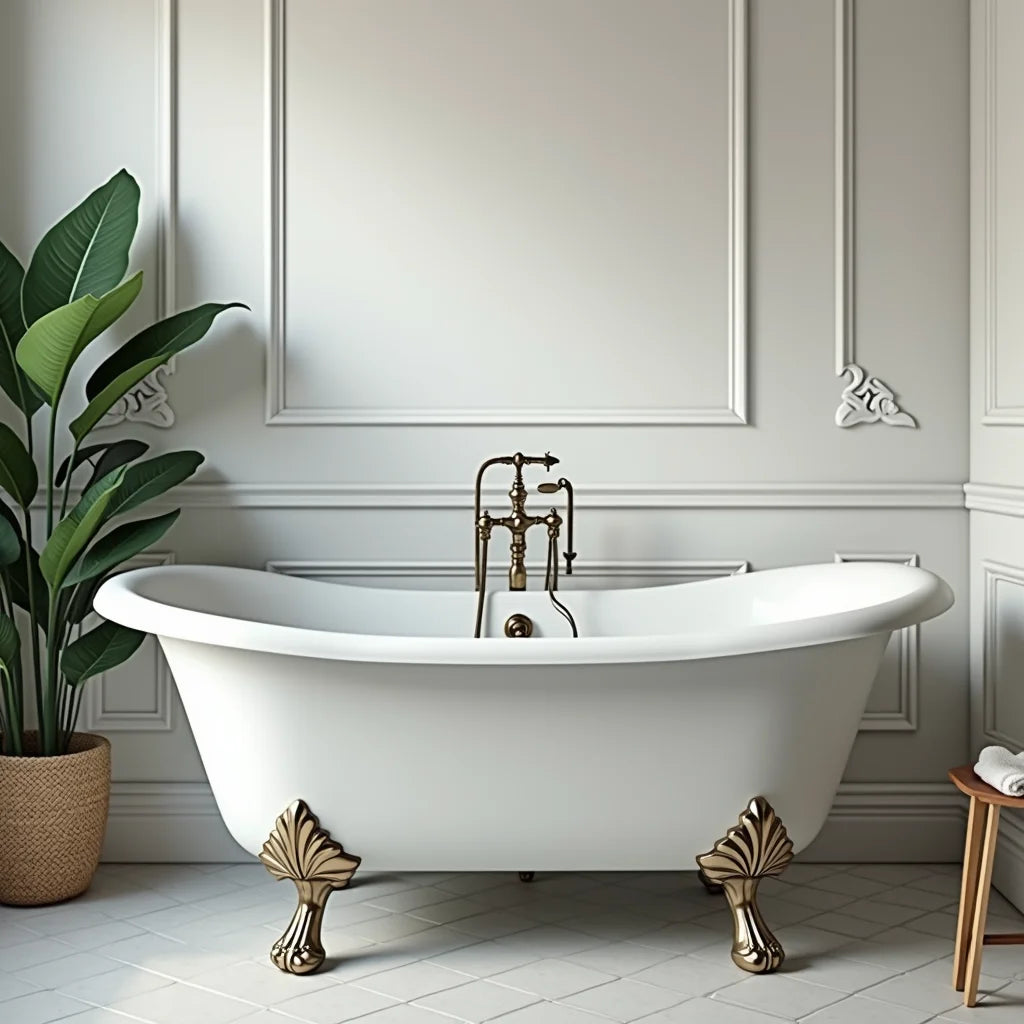
A classic footed bath blends elegance with everyday comfort. Many homeowners appreciate the deep basin that encourages a full-body soak and a relaxed posture. When considering materials, cast iron retains heat well and feels substantial. Acrylic is lighter, warms quickly, and is easier to move during installation. Both options can be long-lasting with gentle care.
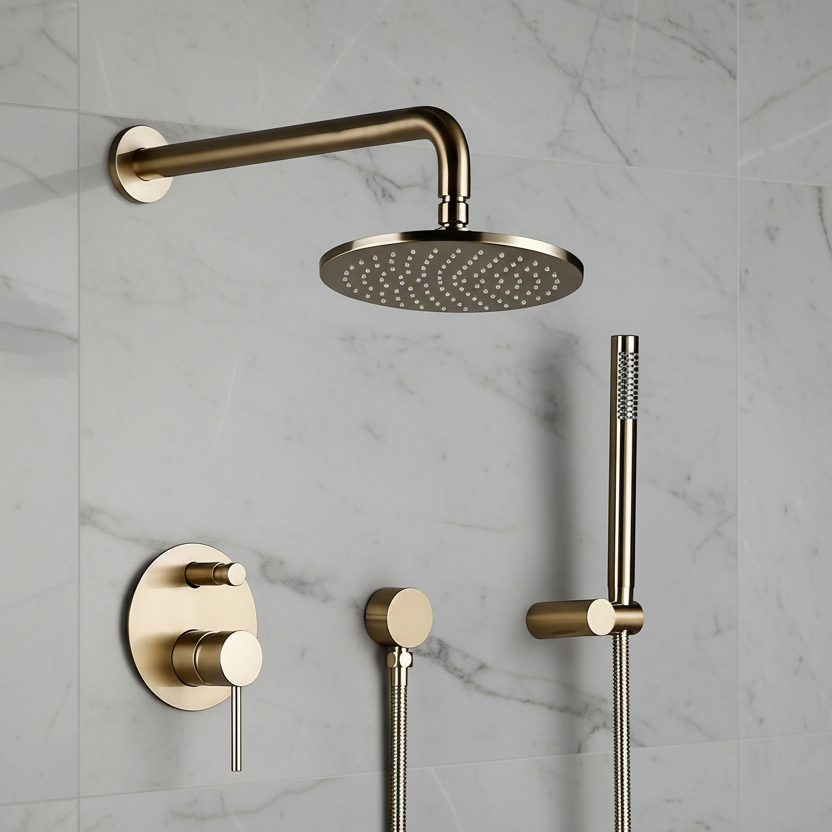
Shape influences comfort. A slipper design offers a higher backrest for neck support, while a double-ended model gives headroom at both ends. Pay attention to interior depth and floor-to-rim height so entering and exiting feels easy. If you prefer to stand and rinse, a compatible shower set with handheld can add gentle versatility without crowding the room.
Finishes express personality. Classic white suits nearly every style. For a warm, heritage look, consider a painted exterior and polished or brushed feet. Pairing the bath with harmonized hardware—such as coordinating bathroom faucets—can help your space feel thoughtfully pulled together. If you love vintage character, you might enjoy our vintage brass faucet guide for finishing touches and care considerations.
Myths vs. Facts
-
Myth: Footed tubs always feel cold and lose heat fast.
Fact: Cast iron holds warmth well once the water is hot, and acrylic warms quickly and retains heat efficiently during a typical soak. A pre-rinse with warm water can further improve comfort. -
Myth: A freestanding soaker will not fit small bathrooms.
Fact: Compact sizes exist. Many models range from about 54 to 60 inches, offering deep soaking in a shorter footprint. Careful measuring and thoughtful placement can help. -
Myth: They are hard to clean.
Fact: With mild soap, a soft cloth, and routine rinsing, maintenance is simple. Avoid abrasive pads to keep finishes looking new. -
Myth: Only traditional styles work with legged bathtubs.
Fact: Sleek feet and matte or brushed finishes can feel modern. Pairing with minimalist fixtures creates a balanced, contemporary look. -
Myth: Installation always requires major remodeling.
Fact: Many projects are straightforward, especially when plumbing is nearby. Floor stability and drain alignment are the main considerations.
Frequently Asked Questions
How do I choose between cast iron and acrylic?
Cast iron offers weight, classic presence, and excellent heat retention. Acrylic is lighter, typically easier to maneuver, and warms quickly. Your choice may come down to floor support, desired feel, and budget.
What size is comfortable for most adults?
Many people find 60 inches long with a deep interior comfortable, though height and preference vary. If you like a curled posture, a shorter, deeper model can feel cozy.
Will the floor need reinforcement?
It depends on the bath weight when full and your floor structure. A professional can assess joists and subflooring and recommend any needed support before installation.
Which fixtures match best?
Deck-mounted or floor-mounted fillers both work. Choose finishes that echo your hardware and lighting. For coordinated styling, browsing best sellers may be helpful for inspiration.
Can I add a shower?
Yes. A curtain ring and a handheld sprayer are gentle ways to add flexibility. Ensure spray coverage and splash protection suit your layout.
Final Recommendations
To move forward calmly, consider these simple steps:
- Measure your space, doorway widths, and path of delivery. This makes selection and installation smoother.
- Sit-test when possible. The angle of the backrest and interior depth can make a meaningful difference in comfort.
- Match fixtures with intention. Coordinated finishes and styles—perhaps inspired by our vintage brass faucet guide—help your bath feel unified.
- Plan care early. Keep a soft cloth and mild cleaner nearby to maintain shine and prevent buildup.
When you shortlist a clawfoot soaking tub, weigh material, weight, and shape against your daily routine. A balanced choice will feel welcoming, function with ease, and age gracefully with your home.
Q&A Section
What dimensions are most comfortable?
Comfort varies, but many people appreciate a length around 58–60 inches with generous interior depth. Shorter users may prefer a compact, deeper model for full-immersion soaking, while taller users often enjoy added length. If you cannot sit-test, compare internal measurements rather than just the external size, as walls can vary in thickness.
How heavy are footed tubs?
A cast-iron bath can be quite heavy, especially with water. Acrylic is noticeably lighter, which can help during delivery and installation. To feel at ease, ask an installer to estimate full weight (tub, person, and water) and verify floor capacity before committing.
What is the easiest way to maintain them?
Rinse after use, wipe with a soft cloth, and use mild, non-abrasive cleaners. Avoid harsh chemicals and rough pads that may dull the surface or scratch fittings. Periodic checks of the drain, supply lines, and feet keep everything stable and drip-free.
Do I need special plumbing fixtures?
Freestanding fillers and handheld sprayers pair well with a deep soaker. If you plan to shower, consider a stable ring and an even spray pattern for comfortable coverage. Coordinating fixtures—such as a classic shower set with handheld—can enhance usability without crowding your layout.
About the Author Section
Allfixture Bathroom & Kitchen Fixtures Team
The Allfixture team researches and curates fixtures that blend timeless design with everyday ease. We write clear, friendly guides to help you choose tubs, faucets, and accessories that feel right for your home. If you have questions, we are always glad to help you explore thoughtful options.