Updated on: 2025-12-23
Learn how to blend vintage warmth with modern function to create a welcoming cooking space. This guide explores color, materials, hardware, and lighting, plus budget-friendly ideas to add period character. You will also find expert tips, a simple planning checklist, and answers to common questions about finishes and fixtures. By the end, you will feel ready to plan a historic charm kitchen that suits everyday life.
Table of Contents
- Designing a historic charm kitchen: principles that endure
- Did You Know?
- Expert Tips
- Personal Anecdote
- Summary & Takeaways
- Q&A Section
- About the Author
- How do I mix vintage fixtures with modern appliances?
- Which finishes look most timeless for a period-style kitchen?
- What are affordable ways to add character without a full remodel?
Bringing timeless character into your kitchen can feel both exciting and a little daunting. Many homeowners wish to capture the warmth of an older home while enjoying reliable, easy-care features. The good news is that you can achieve a balanced, inviting space with a few thoughtful choices. This article walks through core design principles, quick wins, and expert suggestions so you can move forward with confidence and calm.
Designing a historic charm kitchen: principles that endure
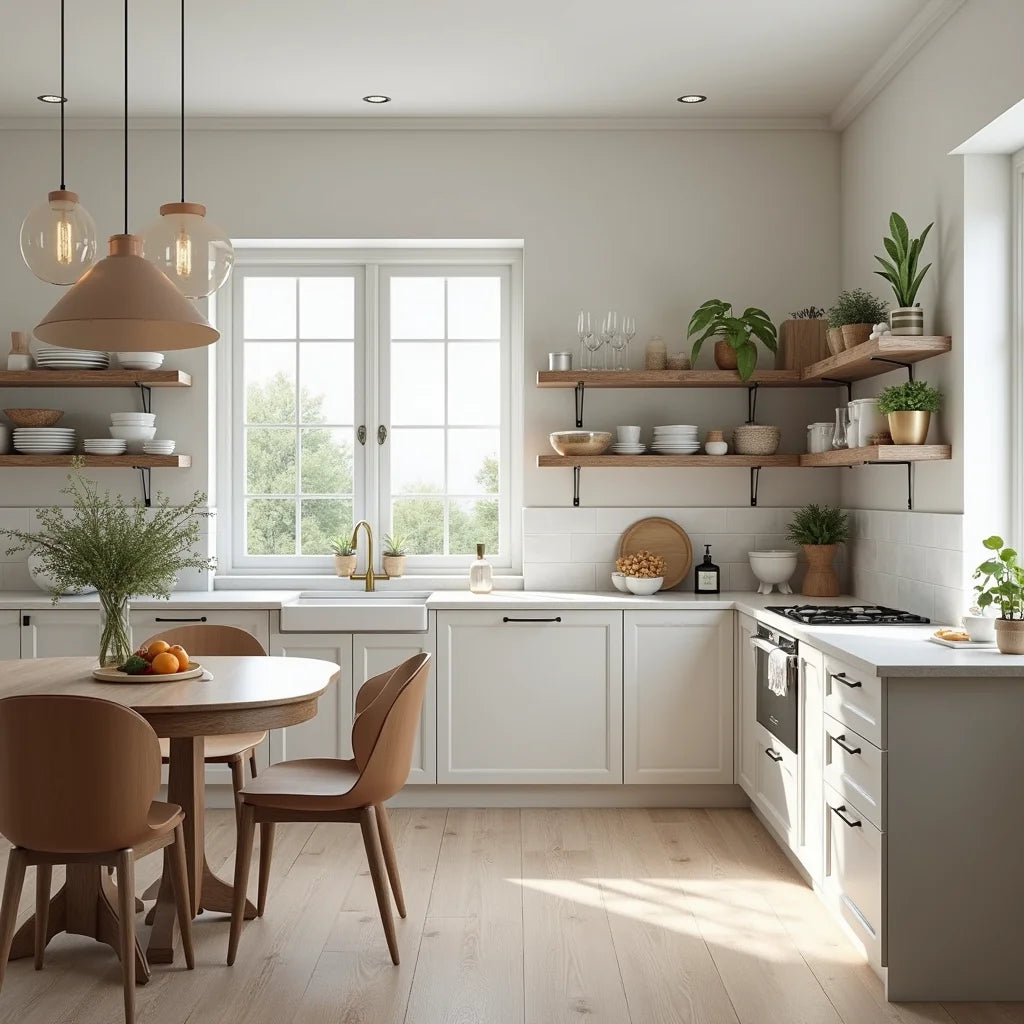
A period-inspired kitchen shines when you layer familiar materials, gentle color, and classic profiles with modern convenience. Begin with a simple palette—warm whites, soft creams, muted greens, or gentle grays—so wood tones and metal accents stand out. Traditional elements such as beadboard, shaker doors, or inset cabinetry can create an instant sense of authenticity without feeling fussy.
Natural textures play a central role. Wood (even in small doses), honed stone, and handmade-look tile lend a tactile, time-worn quality. If real stone is beyond the budget, consider matte-finish alternatives that mimic age and patina. Balance is key: if your counters are quiet and neutral, a patterned floor or backsplash can add the right amount of interest. Classic checkerboard floors, simple subway tile with a contrasting grout, or a single accent runner can all provide subtle drama.
Hardware and plumbing fixtures tie the story together. Bin pulls, classic knobs, and bridge- or gooseneck-style faucets feel familiar while working beautifully today. Mixing metals can look considerate when done with restraint: think warm brass for hardware and a complementary, soft-finish stainless or black for appliances. Aim for a maximum of two to three metal tones in the room, keeping undertones warm and consistent.
Lighting layers make the whole space feel welcoming. Combine a central ceiling fixture with task lighting under cabinets and a pair of accent pendants or a small sconce near a shelf. Warmer bulbs (around 2700K–3000K) soften stone and paint, adding a gentle glow that supports a lived-in atmosphere.
Function deserves equal attention. Deep drawers for pots, pull-out pantry storage, and a thoughtful work triangle reduce friction in daily routines. Even small updates—soft-close hardware, adjustable shelves, dividers for baking sheets—help your kitchen feel composed and calm. As you plan, keep the overall silhouette simple and the details intentional, so the room reads timeless rather than themed.
Did You Know?
- Apron-front (farmhouse) sinks rose to popularity for their ergonomic comfort—front edges reduce leaning, which is gentle on the back.
- Unlacquered brass develops a natural patina over time, adding depth and character without harsh chemicals.
- Checkerboard floors have roots in European interiors and remain a classic, versatile backdrop for traditional kitchens.
- Shaker-style cabinet doors are celebrated for simplicity and durability, aligning well with both vintage and modern aesthetics.
- Beadboard walls and ceilings were once used to prevent drafts; today, they add texture and warmth without overwhelming a space.
Expert Tips
- Pick two “hero” materials and let everything else support them. For example, soapstone-look counters and a painted island pair beautifully with quiet, off-white cabinets.
- Layer lighting thoughtfully: ambient (ceiling), task (under-cabinet), and accent (pendants or sconces). This approach keeps the room cozy and practical.
- Choose a faucet with classic lines to anchor the sink area. Consider an antique brass pull-down faucet for a vintage look that is still easy to use.
- Keep color gentle. Warm whites, cream, and muted greens help wood tones and brass finishes feel settled and cohesive.
- Mix metals with care. One warm (brass or bronze) and one cool (stainless or nickel) tone is often enough for a cohesive palette.
- Plan for water quality and convenience. A filtered water faucet can save counter space and reduce clutter from pitchers.
- Look for classic profiles in modern lines. Browse kitchen faucets with timeless arches, cross handles, or bridge bodies to bridge old and new styles.
- Research finishes before buying. This quick vintage brass faucets guide explains patina, protection, and care for long-term beauty.
- Balance display and storage. Open shelves are lovely in small doses; use them for daily dishes or a curated set of bowls to avoid dust and clutter.
- Test samples under real lighting. View paint chips, tile, and metal finishes morning and evening to ensure the hues feel right across the day.
Personal Anecdote
When I refreshed a small 1920s bungalow kitchen, I started with the simplest updates: paint, lighting, and hardware. The cabinets were solid but tired, so a warm cream paint instantly softened the room. I swapped old knobs for classic bin pulls and added a compact schoolhouse-style ceiling light. Because the space was tight, a matte checkerboard runner helped define the cooking zone without committing to new flooring.
The sink area needed a focal point, so I replaced a bulky fixture with a traditional-leaning faucet and installed a small shelf for soap and a single potted herb. Drawer organizers for utensils and baking sheets brought welcome order, and a slim rail with S-hooks freed up counter space. None of the changes were elaborate, yet together they shaped an easy, gracious atmosphere that felt true to the home’s era and kind to daily routines.
Summary & Takeaways
- Define your vision for a historic charm kitchen in one sentence; let every choice support that statement.
- Use a calm color palette and two “hero” materials; keep profiles classic and details intentional.
- Layer lighting for mood and function; choose warmer bulbs to enhance natural textures.
- Curate metals gently; one warm and one cool finish often feel the most harmonious.
- Elevate function with deep drawers, organizers, and a faucet that suits daily tasks.
- Test samples in your own lighting and consider patina-friendly finishes for long-term character.
Q&A Section
How do I mix vintage fixtures with modern appliances?
Start with a simple foundation: calm cabinet colors, classic door profiles, and one or two signature materials. Then introduce a few heritage accents—bin pulls, a bridge- or gooseneck-style faucet, and a traditional light fixture—to set the tone. Keep appliance finishes consistent to avoid visual noise. Limiting your metal palette to two tones helps the room feel collected rather than crowded. If in doubt, let fixtures lead the style story and treat appliances as quiet, functional companions.
Which finishes look most timeless for a period-style kitchen?
Warm brass, bronze, polished nickel, and matte black tend to age gracefully. For the most classic impression, pair a warm metal (like brass) with a soft, brushed cool tone (like stainless or nickel). If you appreciate patina, unlacquered brass develops character over time; if you prefer consistent color, look for durable coated finishes. Whatever you choose, repeat a finish across hardware and lighting to encourage cohesion, and test samples under your room’s lighting before you commit.
What are affordable ways to add character without a full remodel?
Consider paint first—it delivers an outsized impact for a modest cost. Swap hardware for classic knobs and bin pulls, and update a ceiling fixture to a schoolhouse or simple pendant. Add a small rail for utensils, install under-cabinet lighting, or use a patterned runner to suggest an older floor motif. A well-chosen faucet with traditional lines can refresh the sink zone dramatically. Finally, display a few everyday pieces on a short open shelf to create a lived-in, collected feel.
About the Author
Written by Allfixture, a team focused on thoughtful kitchen and bath fixtures that blend timeless style with modern function. We share practical, easy-to-understand guidance to help you design spaces that feel warm, useful, and enduring. Thank you for reading—wishing you a beautifully balanced home.