Updated on: 2025-12-06
A well-chosen shower system can bring daily comfort, conserve water, and elevate your bathroom style without fuss. This guide offers a calm, practical path to finding the right fit for your space, preferences, and budget. You will discover how to measure correctly, compare key features, and plan a smooth installation. The goal is to help you make a confident, informed choice that feels good every day.
Table of Contents
- Introduction
- Buyer’s Checklist for Showers
- Step-by-Step Guide
- FAQ
- Closing Thoughts & CTA
- About the Author
Introduction
Whether you are refreshing a compact bath or designing a spa-like retreat, choosing among modern showers can feel complex. There are many styles, materials, and controls to consider, and small details often shape everyday comfort. This article offers a gentle, step-by-step path to compare options, plan for installation, and match form with function. You will find a concise checklist, a simple process to follow, and common questions answered in plain language.
Buyer’s Checklist for Showers
Use this practical checklist to narrow your choices with clarity and ease.
- Measure your space carefully: Note ceiling height, wall widths, and door swings. Confirm rough-in depth and stud locations for safe mounting.
- Check water pressure: Confirm that your supply pressure supports your preferred spray style. Rain heads often benefit from moderate pressure, while multi-spray systems may need more.
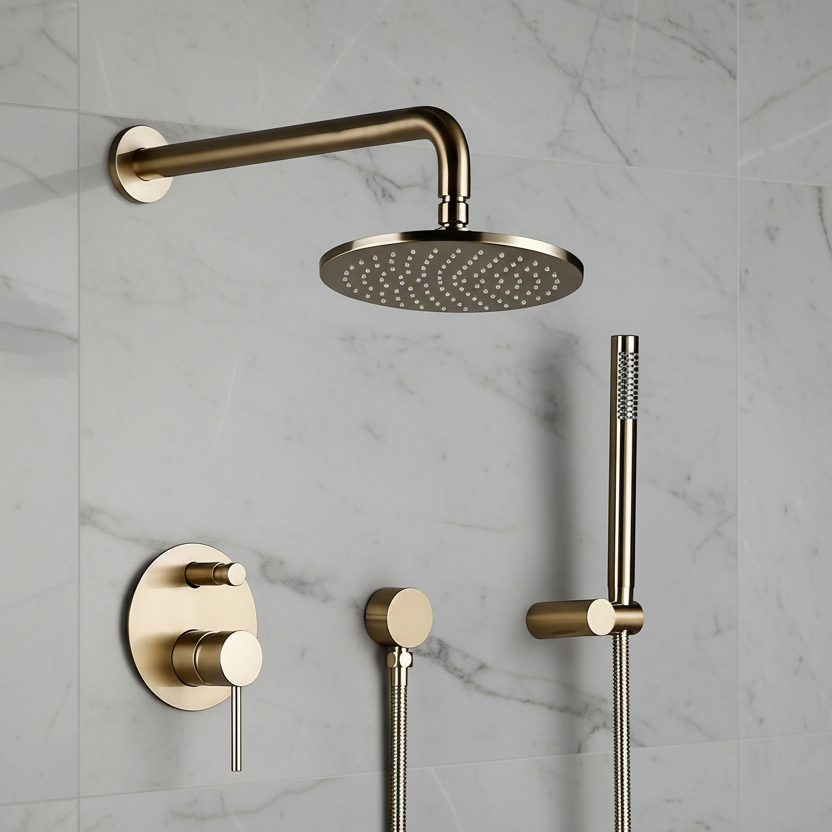
- Choose a configuration: Decide between a single overhead head, a handheld on a slide bar, or a dual setup with a diverter. Keep daily routines in mind.
- Valve compatibility: Match the trim to the valve brand and type. If replacing only trim, ensure the internal valve is compatible to avoid extra work.
- Control style: Consider a simple single-handle pressure-balance control or a thermostatic option for precise temperature stability.
- Materials and build: Solid brass bodies and metal fittings enhance durability. Stainless steel and quality polymers can also perform well when engineered properly.
- Finish selection: Choose a finish that complements your bath—polished chrome, brushed nickel, matte black, or warm antique brass. Aim for consistency with other fixtures.
- Flow rate and efficiency: Look for water-saving models that balance comfort with conservation. Aerated and optimized spray designs can feel satisfying while using less water.
- Spray experience: Consider droplet size, spray density, and coverage. A rain-style head offers a gentle cascade, while concentrated jets create a brisk rinse.
- Ease of maintenance: Rubber nozzles and wipe-clean finishes reduce buildup. Fewer seams and accessible parts simplify care.
- Safety and comfort: Scald protection, ergonomic handles, and a stable slide bar improve everyday comfort for all ages.
- Installation needs: Note whether you will need a new rough-in valve, diverter, or additional support blocking. Planning ahead can help minimize surprises.
- Warranty and support: Check coverage length and service options. Clear documentation and available parts make future care easier.
- Style harmony: Coordinate the set with sink and tub hardware for a cohesive look. Explore complementary bathroom faucets to complete the space.
- Budget and total value: Include the valve, trim, head, arm, holder, hose, and any accessories in your estimate. Durability and long-term reliability often justify a slightly higher initial cost.
- Ready-to-go options: To simplify shopping, consider complete shower sets that bundle compatible parts for a smoother installation.
- Product example to review: A durable, coordinated option is the solid brass set with a handheld sprayer for flexible use.
Step-by-Step Guide
Follow these simple steps to move from ideas to a comfortable, reliable installation.
- Define your goals: Decide whether you want a spa-like experience, a quick daily rinse, or a balanced mix of both.
- Measure and map: Record wall dimensions, ceiling height, and stud locations. Note your current rough-in valve type and depth.
- Assess water supply: Check household pressure and temperature limits. This helps you choose the right head size and spray pattern.
- Select the spray hardware: Pick an overhead head, a handheld with a slide bar, or a dual setup. Consider reach and adjustability for all users.
- Choose the control system: Pressure-balance valves help keep temperature steady when pressure fluctuates. Thermostatic controls maintain a set temperature with fine precision.
- Confirm compatibility: If you are keeping the existing valve, match trim and brand. If changing valves, confirm wall access and rough-in requirements.
- Pick materials and finish: Solid brass and robust coatings improve longevity. Match finishes across the room for a calm, unified look.
- Plan the layout: Determine head height, hand shower reach, and diverter placement. Ensure comfortable access without stretching or bending.
- Include essentials: List valve, trim kit, head and arm, handheld and hose, slide bar, and any elbow or diverter. Double-check part numbers to avoid mismatches.
- Order with care: Where helpful, choose curated best sellers to streamline decisions with proven favorites.
- Dry-fit before finishing: Test alignment and reach with parts held in place. Adjust positions now to avoid later changes.
- Install and test: After mounting, run water to purge debris. Check for even spray, smooth handle travel, and leak-free joints. Make small adjustments for the best day-to-day feel.
- Maintain gently: Wipe surfaces after use, clean nozzles periodically, and check connections annually. Simple care helps preserve performance and finish.
FAQ
What should I check before buying a shower set?
Start with measurements, water pressure, and your current valve type. These details guide the size of the head, the choice of control, and the number of components you can support. Next, consider materials and finish for durability and style consistency. Finally, review installation needs and warranty coverage. When you prefer a single-package solution, browse curated shower sets to reduce guesswork.
How do thermostatic and pressure-balance valves differ?
Pressure-balance valves help prevent sudden temperature swings by adjusting to changes in hot and cold pressure. They are simple and reliable for everyday use. Thermostatic valves let you set an exact temperature and keep it steady, even when pressure fluctuates. They add comfort for multi-user households and are helpful when you want precise control. Either option can be effective; it depends on your preference for simplicity or precision.
How can I keep my shower looking new?
Wipe fixtures with a soft cloth after use to reduce water spots. Clean spray nozzles gently to prevent mineral buildup; many designs have flexible tips for quick care. Use non-abrasive cleaners suited to your finish to avoid dulling the surface. Periodically check connections and seals, and replace worn washers or cartridges as needed to maintain smooth performance.
Closing Thoughts & CTA
Choosing the right setup is about comfort, ease, and style that lasts. With careful measurements, a clear configuration, and materials suited to your home, daily routines can feel calm and reliable. If you would like a simple starting point, explore coordinated shower sets or review a durable example like this solid brass set. You might also compare complementary bathroom faucets to finish the look with confidence.
About the Author
Allfixture is a home fixture specialist focused on durable materials, thoughtful design, and clear guidance for everyday spaces. Our team researches bath hardware, valves, and compatible trim to make selection easier. We enjoy helping you find fittings that balance comfort, efficiency, and style. Thank you for reading, and we hope your next upgrade feels effortless.
New to shower systems? Start with our complete buyer's guide: How to Choose a Complete Shower System.