Updated on: 2025-12-01
This gentle guide walks you through choosing the right basin for your kitchen or bath, including planning, materials, installation types, and care. It explains common trade-offs and offers easy tips to avoid hassles. You will also find a concise comparison of styles and materials, plus practical answers to frequent questions. Whether you are refreshing a vanity or remodeling a chef’s space, you can select kitchen and bathroom sinks with calm confidence.
Table of Contents
- Introduction
- Common Challenges When Selecting the Right Option
- Comparison Section
- Summary & Recommendations
- Q&A Section
- How do I measure for a new basin?
- Which material is most durable for daily use?
- How can I reduce noise and prevent scratches?
- About the Author Section
Introduction
Choosing a new basin is a thoughtful way to refresh how a kitchen or bathroom feels and functions. The right choice supports cleaner prep work, smoother cleanup, and a more comfortable daily routine. This article offers a simple framework: measure carefully, match materials to habits, select an installation type that fits your countertop, and plan for long-term care. You will also find a clear comparison of popular styles and materials, so it is easier to see what suits your space. If you plan to coordinate water fixtures at the same time, you may find it helpful to browse complementary pieces like kitchen faucets to create a cohesive look and feel.
Common Challenges When Selecting Sinks
Accurate Measurements
Size is the first and most common stumbling block. Countertop cutouts, cabinet widths, and nearby obstacles can limit what will fit. To reduce surprises, measure the cabinet interior, the depth from the front edge to the wall, and the available width between side panels. Leave space for clips or mounting rails and for a faucet deck if needed. If a disposal or water filter lives under the counter, verify the height and clearance there as well. A simple cardboard template can help you test how a new basin will sit before you commit.
Choosing Materials
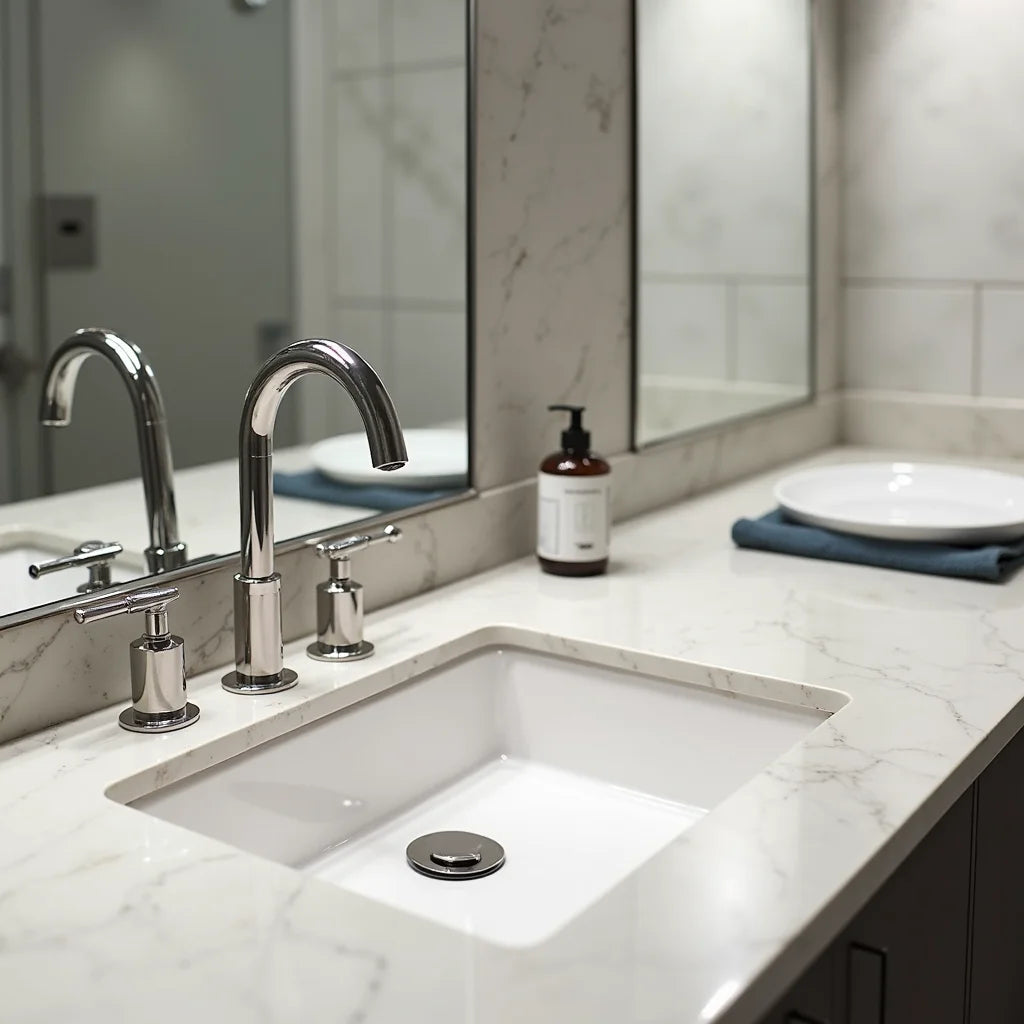
Every material offers benefits and trade-offs. Stainless steel is light, resilient, and easy to clean, while fireclay delivers classic charm and a glossy finish. Composite granite is sturdy and resists chips, and cast iron offers a heavy, traditional presence. It may help to match the basin’s resilience to your routine. For example, daily pot-and-pan work calls for something forgiving, while a powder room vanity benefits from a finish that is simple to wipe. Coordinating the finish with nearby fixtures—such as pairing a brushed basin style with complementary bathroom faucets—gives a balanced result.
Installation Types
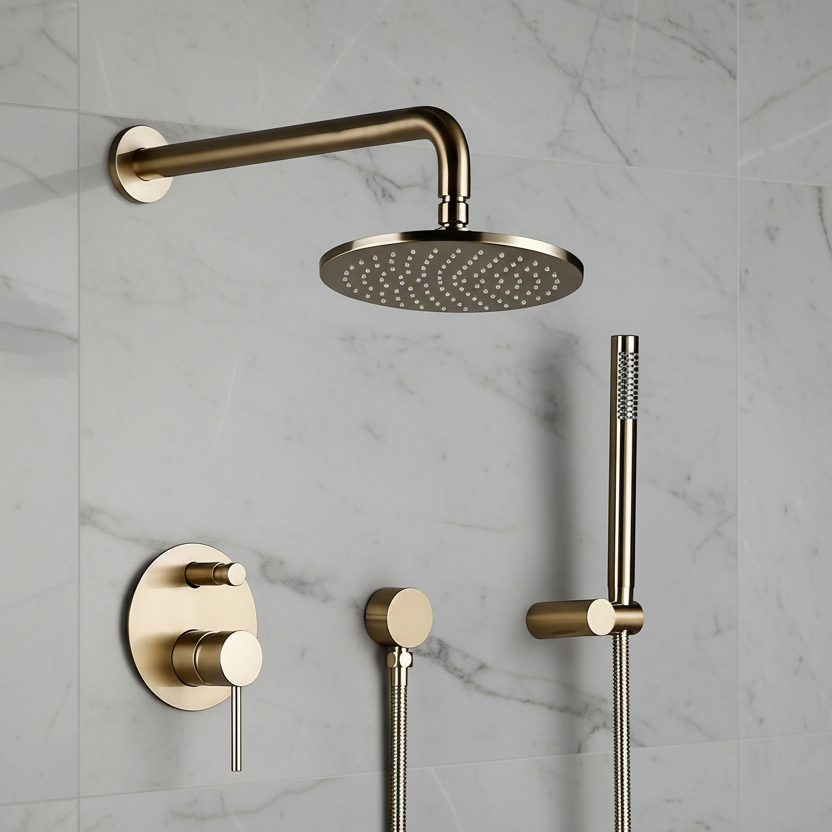
Mounting style shapes the look and the maintenance. Top-mount (drop-in) units rest on the counter and are usually straightforward for DIY-friendly updates. Undermount styles fasten below the counter for a seamless edge that is easy to wipe, but they require a sturdy surface and careful support. Apron-front (farmhouse) designs showcase a visible front panel that brings character and extra bowl depth. If you are refreshing the shower or tub area at the same time, reviewing complementary shower sets can help create a harmonized, spa-like space.
Care and Maintenance
Simple habits keep a basin looking its best. Wipe it dry after heavy use to discourage water spots, use a gentle non-abrasive cleaner, and place a grid or mat on the bottom to protect the surface. Avoid harsh scouring pads on glossy finishes and do not leave acidic or salty water to sit. A little routine care goes a long way, and most materials reward consistency more than intensity.
Comparison Section
Top-mount vs Undermount
Both styles have a place; the right choice depends on your countertop and comfort with maintenance.
Pros of top-mount:
- Easier install for retrofits and laminate countertops.
- Generally lower install cost and fewer support requirements.
- Edge lip can help contain splashes.
Cons of top-mount:
- Countertop seam at the lip may collect debris.
- Visible rim can break the visual flow on stone surfaces.
Pros of undermount:
- Sleek look with a flush counter edge that wipes clean.
- Maximizes usable counter space around the bowl.
Cons of undermount:
- Requires solid counters (stone, quartz, or similar) and secure mounting.
- Professional installation is often preferred.
Stainless Steel vs Fireclay vs Composite Granite
Each material balances durability, appearance, and care.
Stainless steel:
- Lightweight, resilient, and budget-friendly across many gauges.
- Brushed finishes hide use marks better than mirror-polish.
- May show water spots without regular drying.
Fireclay:
- Classic, high-gloss finish with timeless appeal.
- Resists stains well and offers a smooth surface.
- Heavier and may require extra cabinet support.
Composite granite:
- Matte, modern look that resists chips and heat.
- Solid feel that helps dampen noise.
- Requires gentle cleaners to preserve finish.
Single-Bowl vs Double-Bowl
Configuration affects workflow more than you might expect.
Single-bowl benefits:
- Room for large cookware and oven trays.
- Simpler to clean with fewer corners and seams.
Single-bowl considerations:
- Soaking and rinsing need planning without a second compartment.
Double-bowl benefits:
- Separate zones for prep and cleanup or for handwashing delicate items.
- Flexible use with optional colanders or racks.
Double-bowl considerations:
- Each compartment is smaller; large pots may feel tight.
Summary & Recommendations
Thoughtful planning leads to a basin that looks beautiful and works the way you prefer. Start with precise measurements, then select a material that matches your routine—resilient steel for busy cooking, glossy fireclay for traditional charm, or composite granite for a modern matte look. Choose a mounting style that suits your countertop and comfort with installation. If you are upgrading sinks in a busy kitchen, consider a deep single-bowl for large cookware and a protective grid for everyday care. For inspiration and coordinated fixtures, you might enjoy browsing Allfixture’s best sellers to see popular combinations.
Q&A Section
How do I measure for a new basin?
Measure the cabinet width inside the doors to confirm the maximum overall size. Then check the countertop depth from the front edge to the backsplash, allowing for faucet clearance. Note the existing cutout (if any) and leave space for mounting hardware. Finally, confirm the under-cabinet height if you use a disposal or water filter. A cardboard template helps you see edge-to-edge coverage and reveals any tight corners before ordering.
Which material is most durable for daily use?
Durability depends on the type of use. For frequent cooking with heavy pots, a well-made stainless unit in a thicker gauge (lower number) is a forgiving choice. Composite granite is also sturdy and resists chips, while fireclay provides a smooth, classic look that handles heat well. If your space is more decorative, focus on finish quality and ease of cleaning. Matching the basin to your habits is the surest path to long-term satisfaction.
How can I reduce noise and prevent scratches?
Look for sound-dampening pads or undercoating on metal models, and consider a fitted bottom grid to protect the surface. Use soft sponges with non-abrasive cleaners, and rinse away gritty debris after prep. Drying at the end of the day helps minimize water spots on metal or glossy finishes. Thoughtful accessories, such as a gentle rack or silicone mat, offer protection without complicating daily cleanup.
About the Author Section
Jordan Lee, Home Fixture Specialist
Jordan Lee is a content strategist with a focus on kitchen and bath design, collaborating with Allfixture to create helpful buying guides for homeowners and renovators. Jordan’s work blends practical planning with real-world maintenance tips, from basins to bathroom faucets and kitchen faucets. When not writing, Jordan enjoys testing ergonomic layouts and thoughtful accessories that make daily routines smoother. Thank you for reading, and we hope your next update feels simple and satisfying.