A bidet sprayer is the highest-impact bathroom upgrade under a hundred dollars — and unlike a bidet seat, it installs in about thirty minutes with two wrenches and zero electrical work. If you can tighten a hose, you can do this. Here's the complete installation, plus the two details that determine whether your sprayer works flawlessly for years or drips inside a month.
How a Handheld Bidet Sprayer Works
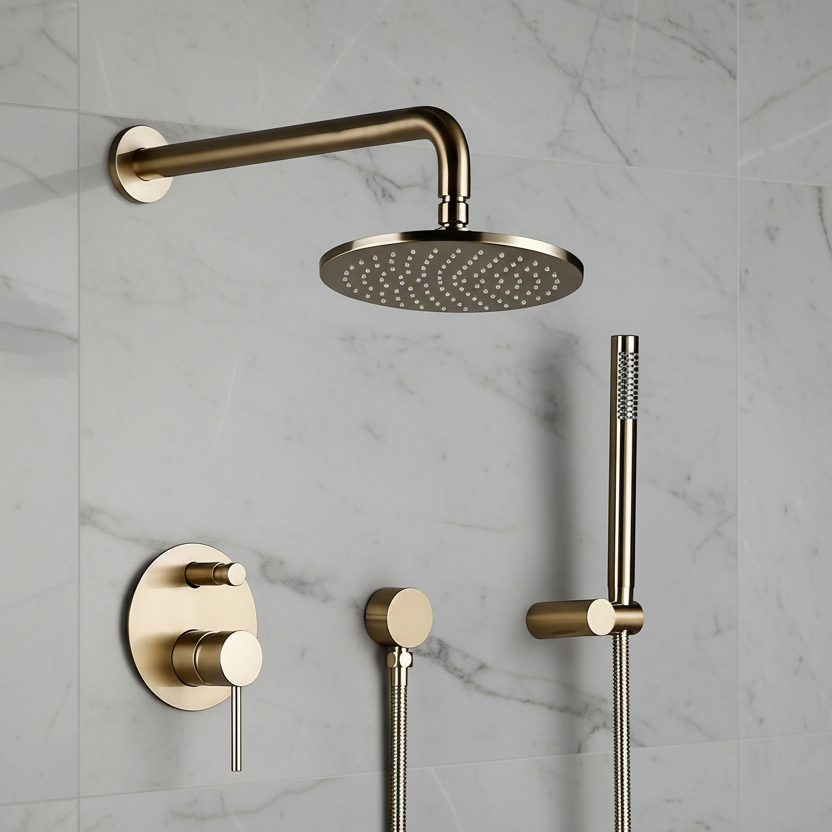
The kit is three parts: a T-valve that splits your toilet's existing water supply, a hose, and the sprayer head with a holster. The T-valve threads between the shut-off valve and the toilet tank's fill line, sending water to the sprayer on demand while the tank fills normally. No new plumbing, no drilling, fully reversible — which is why it's the renter-friendly option too.
Installation in Six Steps
1. Close the toilet's shut-off valve and flush to empty the tank.
2. Disconnect the supply line from the tank's fill valve (small bucket ready).
3. Thread the T-valve onto the tank's fill inlet; hand-tight plus a gentle quarter-turn.
4. Reconnect the supply line to the bottom of the T-valve.
5. Connect the sprayer hose to the T-valve's side port and clip the holster to the tank rim (or wall-mount it).
6. Open the shut-off, check every joint dry-handed, and test the sprayer into the bowl.
Choosing a Sprayer Worth Installing
The under-$20 plastic kits are where the leaks live. A quality sprayer — solid brass valve core, metal T-valve, braided stainless hose — costs modestly more and removes every common failure point. Every model in our bidet sprayer collection is built to that spec, in finishes from chrome to matte black that match the rest of the bathroom's hardware.
Beyond the Toilet
The same handheld sprayer doubles as a cloth-diaper rinser, a shower-enclosure cleaner, and a pet-washing assist — one reason it's become standard equipment in young-family bathrooms. If you're outfitting the room anyway, matching the sprayer's finish to your faucet ties the upgrade in invisibly.
Frequently Asked Questions
Does a bidet sprayer use cold water only?
Standard installs tap the toilet's cold line — brisk but brief. Warm-water setups exist by tapping a sink's hot supply with a mixing valve, a bigger project that's rarely felt necessary after a week of use.
Will it work with low water pressure?
Yes — sprayers need far less pressure than a shower. If your toilet tank fills normally, the sprayer will perform.
Is it apartment-safe?
Fully. Installation touches only the removable supply connection, and everything returns to stock in five minutes when you move out — take the sprayer with you.