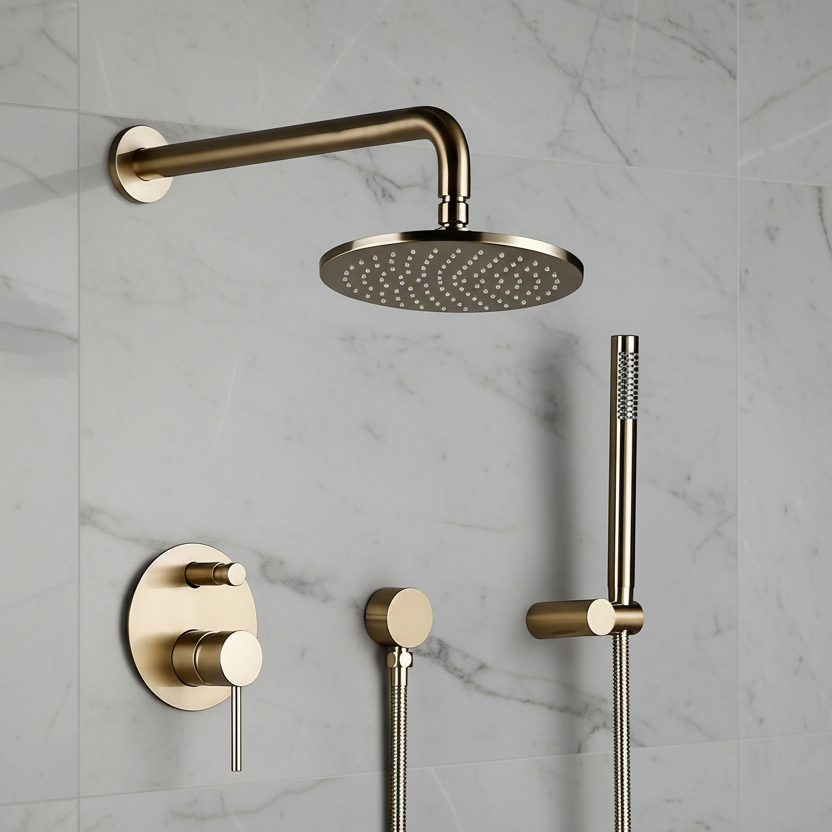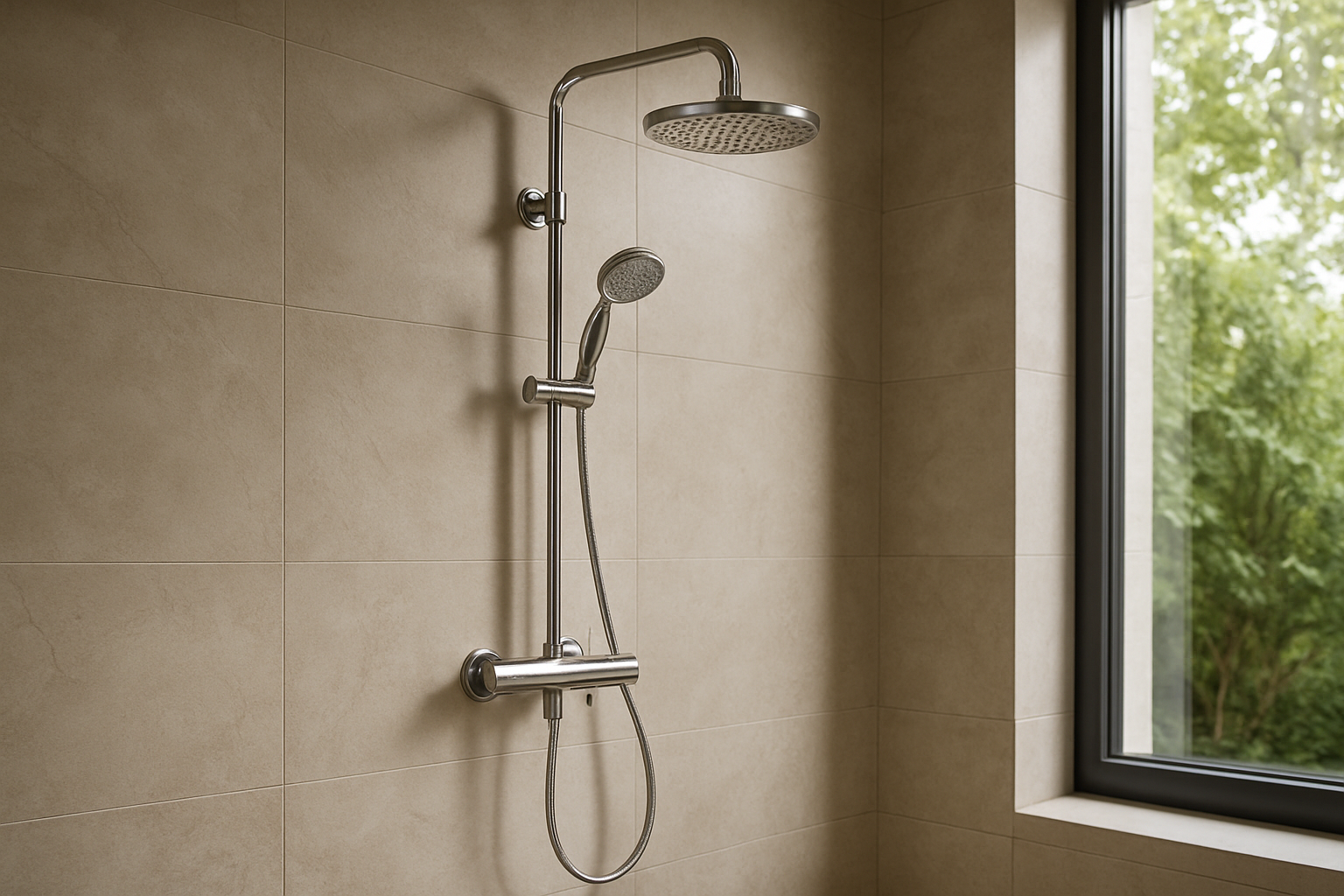
Understanding Exposed Pipe Shower Systems
Exposed pipe shower systems represent a paradigm shift in contemporary bathroom aesthetics, where functional plumbing becomes an intentional design statement. These installations showcase the water delivery mechanism as part of the visual narrative, transforming utilitarian infrastructure into architectural elements that command attention.
Unlike traditional concealed plumbing configurations, exposed pipe systems celebrate their mechanical components through strategic visibility. The vertical risers, horizontal connections, and valve assemblies become sculptural elements that contribute to the overall spatial composition. This approach demands precision in both engineering and aesthetic consideration, as every joint, coupling, and finish detail remains perpetually visible to users.
The nomenclature encompasses various configurations, from minimalist single-outlet arrangements to complex thermostatic systems featuring multiple delivery points. Each iteration requires careful consideration of pipe routing, support mechanisms, and integration with existing architectural elements. The exposed nature necessitates superior material selection and finishing techniques, as these components cannot retreat into wall cavities when maintenance or aesthetic updates become necessary.
Design Principles and Aesthetic Considerations
Material Selection and Finish Coordination
The foundation of exceptional exposed pipe shower system design rests upon judicious material selection and finish harmonization. Solid brass construction provides unparalleled durability and corrosion resistance, essential qualities when components remain perpetually exposed to moisture-laden environments. The inherent antimicrobial properties of brass offer additional hygienic benefits, particularly relevant in high-use bathroom installations.
Finish selection transcends mere aesthetic preference, influencing maintenance requirements and longevity expectations. Brushed finishes tend to camouflage minor water spotting and wear patterns, while polished surfaces demand more frequent attention but offer superior reflective qualities that can enhance perceived spatial dimensions. Matte black and aged bronze finishes provide dramatic contrast opportunities, particularly effective against light-colored tile installations or natural stone backgrounds.
Proportional Relationships and Scale Considerations
Successful exposed pipe shower system design requires acute awareness of proportional relationships within the bathing environment. The vertical riser diameter must correspond appropriately to the ceiling height and overall enclosure dimensions. Oversized components can overwhelm intimate spaces, while undersized elements may appear inadequate in expansive installations.
The positioning of horizontal elements creates visual weight distribution that influences user perception of the space. Strategic placement of valves, diverters, and connection points establishes rhythm and hierarchy within the composition. These decisions impact both functional accessibility and aesthetic coherence, demanding careful consideration of user ergonomics alongside design objectives.
Exemplary Design Implementation: The Maison Collection
The Maison Exposed Pipe Shower System exemplifies the sophisticated integration of luxury materials with contemporary design sensibilities. This premium offering addresses the inherent challenges of exposed plumbing installations through meticulous engineering and superior material selection, delivering both aesthetic distinction and functional reliability.
Crafted from solid brass with precise machining tolerances, the Maison system demonstrates how exposed pipe installations can elevate bathroom environments beyond mere utilitarian function. The carefully orchestrated finish options accommodate diverse design vocabularies, from industrial minimalism to refined traditionalism. The system's modular architecture permits customization while maintaining structural integrity and visual coherence.
For design professionals and discerning homeowners confronting the challenge of creating distinctive bathing environments, the Maison system offers a thoroughly engineered solution that eliminates the compromises often associated with exposed plumbing installations. The comprehensive technical specifications and detailed installation documentation support successful implementation across various architectural contexts.
Installation Methodologies and Technical Requirements
Structural Support and Anchoring Systems
Exposed pipe shower systems demand robust structural support mechanisms that remain concealed while maintaining accessibility for maintenance procedures. The vertical loading imposed by filled water lines, combined with dynamic forces generated during operation, necessitates engineered anchoring solutions that exceed conventional fixture requirements.
Wall-mounted systems require identification of structural framing members or installation of supplementary blocking to distribute loads appropriately. The absence of surrounding wall construction to provide lateral support increases the importance of proper anchoring techniques. Ceiling-mounted configurations introduce additional complexity, often requiring coordination with structural engineers to ensure adequate load paths.
"The exposed nature of these systems means that every connection point becomes a potential failure location that requires both structural adequacy and aesthetic consideration."
Plumbing Integration and Code Compliance
Integration of exposed pipe shower systems with existing plumbing infrastructure requires careful planning to maintain code compliance while achieving desired aesthetic outcomes. Supply line routing must accommodate thermal expansion and contraction, particularly important when pipes traverse temperature differentials between conditioned and unconditioned spaces.
Pressure balancing and thermostatic mixing valve requirements vary by jurisdiction, influencing system configuration options. The exposed nature of installations may impact inspection procedures and require additional documentation to demonstrate compliance with applicable codes. Coordination with local authorities during the design phase prevents costly modifications during construction.
Maintenance Protocols and Longevity Optimization
The perpetual visibility of exposed pipe shower systems transforms routine maintenance from a hidden necessity into an aesthetic imperative. Regular cleaning protocols must address both functional performance and visual appearance, requiring specialized techniques that preserve finish integrity while preventing mineral accumulation and corrosion initiation.
Preventive maintenance schedules should incorporate valve exercising, seal inspection, and connection point monitoring. The accessibility of exposed systems facilitates these procedures but also makes neglect immediately apparent to users. Proper maintenance documentation and scheduling become essential components of system ownership.
Water quality considerations assume heightened importance in exposed installations, as mineral deposits and corrosion products cannot be concealed within wall cavities. Water treatment systems may be necessary in areas with aggressive water chemistry to protect both functional performance and aesthetic integrity over extended service periods.
Design Integration Strategies
Coordination with Architectural Elements
Successful exposed pipe shower system integration requires harmonious coordination with existing architectural elements and spatial characteristics. The linear nature of pipe runs can reinforce or conflict with established geometric patterns within the bathroom environment, demanding careful consideration during the design development phase.
Ceiling height variations, window placement, and lighting fixture locations influence optimal pipe routing and component positioning. Natural and artificial lighting interaction with metallic surfaces creates opportunities for enhanced visual interest but may also reveal installation imperfections that would remain hidden in traditional configurations.
Material Palette Coordination
The introduction of exposed metallic elements necessitates comprehensive evaluation of the existing material palette to ensure coherent design expression. Coordination with hardware finishes, lighting fixtures, and accessory selections prevents visual conflict while supporting unified aesthetic narratives.
Consider the following coordination strategies:
- Match primary finish selections across all metallic elements
- Establish hierarchical relationships through finish variation
- Utilize contrasting finishes to create focal points and visual interest
- Coordinate with cabinetry hardware and lighting fixtures
Performance Optimization and User Experience
Ergonomic Considerations and Accessibility
The positioning of control elements in exposed pipe shower systems directly impacts user experience and accessibility compliance. Valve handles, diverter controls, and adjustment mechanisms must remain within comfortable reach zones while maintaining aesthetic integration with the overall design composition.
Universal design principles encourage consideration of users with varying physical capabilities, influencing handle styles, operating forces, and positioning heights. The exposed nature of these systems provides opportunities for intuitive operation through clear visual indication of control functions and water flow paths.
Thermal Performance and Energy Efficiency
Exposed pipe configurations can impact thermal performance through increased heat loss from supply lines and mixing chambers. Insulation strategies must balance energy efficiency objectives with aesthetic requirements, often necessitating creative solutions that maintain visual appeal while optimizing thermal performance.
The following table illustrates key performance considerations:
| Performance Aspect | Exposed System Impact | Optimization Strategy |
|---|---|---|
| Heat Loss | Increased surface area exposure | Insulated supply lines where possible |
| Response Time | Reduced thermal mass in lines | Minimize pipe run lengths |
| Pressure Drop | Additional fittings and connections | Optimize pipe sizing and routing |
Troubleshooting Common Design Challenges
What considerations should guide exposed pipe shower system selection for existing bathroom renovations? The integration challenges differ significantly from new construction scenarios, where structural modifications may be limited by existing conditions. Careful field verification of dimensions, utilities, and structural conditions becomes essential for successful implementation.
How do exposed systems perform in high-humidity environments? The perpetual exposure to moisture-laden air requires superior corrosion resistance and finish durability compared to concealed installations. Regular ventilation and appropriate material selection become critical factors in long-term performance.
Can exposed pipe systems accommodate water pressure variations effectively? The visible nature of these installations makes pressure fluctuations more apparent to users, often necessitating pressure regulation devices or upgraded supply line sizing to maintain consistent performance characteristics.
Future Considerations and Design Evolution
The trajectory of exposed pipe shower system design continues evolving toward increased customization and technological integration. Smart valve technologies, integrated lighting elements, and app-controlled operation represent emerging possibilities that maintain aesthetic priorities while enhancing functional capabilities.
Sustainable design considerations increasingly influence material selection and manufacturing processes, driving innovation in recycled content utilization and end-of-life recyclability. These factors will likely assume greater importance in specification decisions as environmental awareness continues expanding among design professionals and consumers alike.
The intersection of traditional craftsmanship with contemporary manufacturing capabilities promises continued refinement in both aesthetic expression and functional performance. As exposed pipe shower systems gain broader acceptance, the available design vocabulary will likely expand to accommodate increasingly diverse architectural contexts and user preferences.
New to shower systems? Start with our complete buyer's guide: How to Choose a Complete Shower System.