Updated on: 2025-12-09
Choosing the right bath accessories can make your bathroom feel calmer and more useful. This guide shares simple steps to plan your layout, pick reliable materials, and match your style. You will also find tips for storage, water savings, and safe access. By the end, you may feel ready to make small changes that bring lasting comfort and clarity to your routine.
- Practical Guide to bath accessories
- Key Advantages
- Summary & Next Steps
- Q&A Section
- About the Author Section
A calm, comfortable bathroom supports your day with ease. Thoughtful choices in organizers, holders, and fixtures can reduce clutter, improve safety, and reflect your personal style. This article offers a gentle, step-by-step approach that works for family spaces, guest baths, or compact layouts. You will find practical suggestions that respect a range of budgets and design preferences.
Practical Guide to bath accessories
Map your layout and routines
It may help to start by observing how the space is used today. Consider where you naturally reach for towels, soap, and skincare. Note any tight corners, door swings, and the height of shelves or mirrors. A simple sketch with measurements can prevent crowded walls and help you choose pieces that fit comfortably. If you are renting, adhesive or over-the-door options may provide flexibility without drilling.
Choose materials and finishes
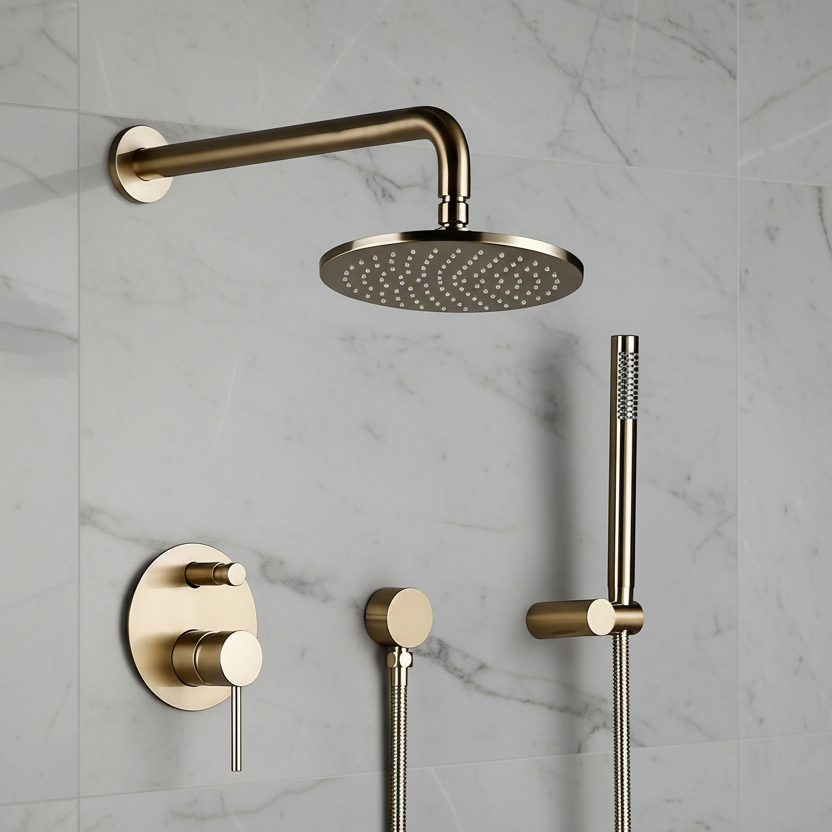
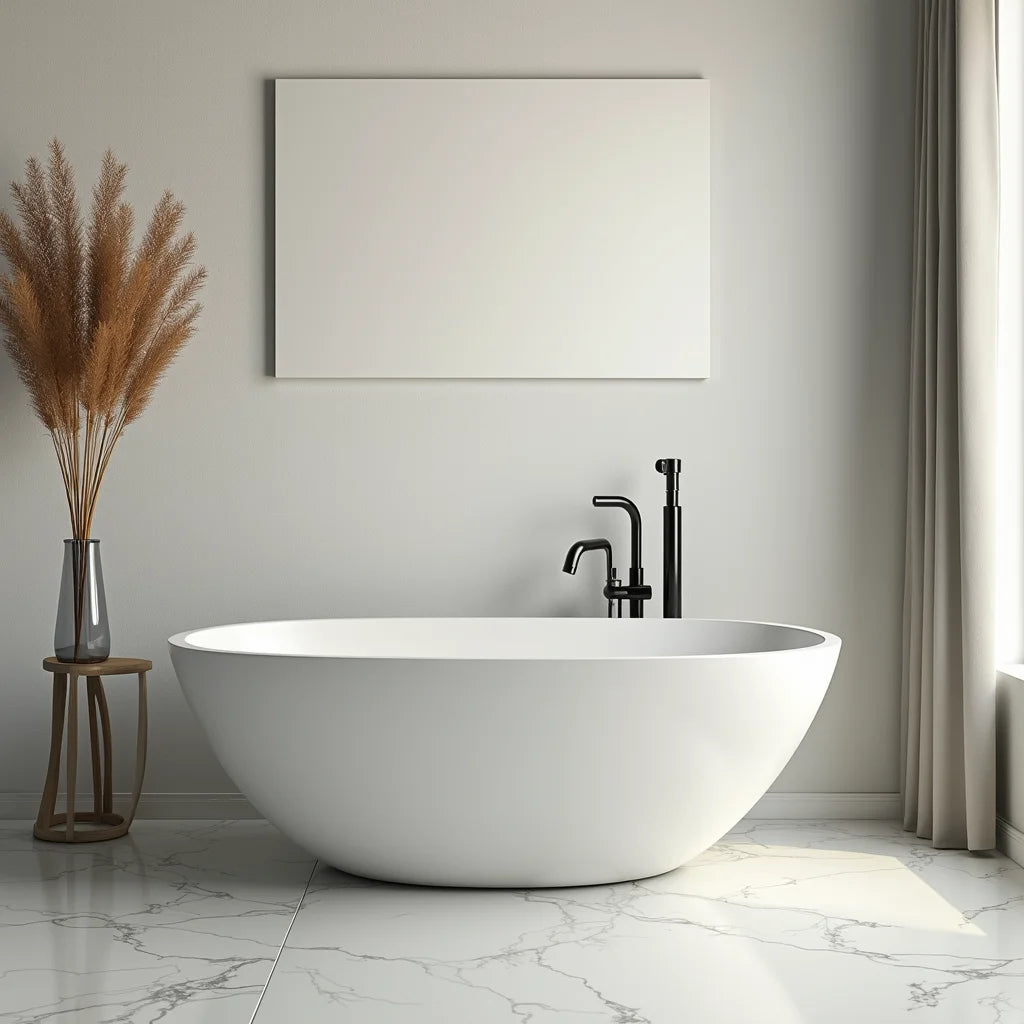
Materials influence durability, cleaning, and overall harmony. Solid brass and stainless steel resist corrosion and feel sturdy. Powder-coated finishes, such as matte black or white, add a modern look and tend to hide small marks. Warm metallics like brushed gold or antique brass introduce gentle contrast without overwhelming a neutral palette. To coordinate easily, consider matching hardware with your bathroom faucets so handles, spouts, and bars share a common tone.
If you like a timeless look, choose a single finish family and repeat it in towel bars, robe hooks, and paper holders. This approach often creates visual calm by reducing contrast lines. When mixing metals, keep one as the primary finish and the other as a subtle accent, such as a warm mirror frame paired with cool-tone hardware.
Prioritize smart storage
Open counters can feel soothing and easy to clean. Wall-mounted shelves, over-the-toilet units, and corner caddies keep everyday items within reach while freeing sink space. In showers, a rail system with a handheld option can simplify routines for different family members. If you are updating your shower hardware, exploring coordinated shower sets may help everything work smoothly together.
Consider containers that separate categories: one for skincare, one for haircare, and another for guests. Clear jars, labeled bins, or low trays bring order without visual clutter. Hooks behind doors can support robes or quick-dry towels and reduce piles on the floor.
Support water efficiency and hygiene
Small updates can conserve water and support cleanliness. Foaming or pump dispensers manage soap usage, and aerators maintain a comfortable flow while using less water. Refillable bottles reduce single-use plastics and keep surfaces consistent. If you are looking to improve freshness and personal care, a gentle bidet spray can be a considerate addition that many households appreciate.
Ventilation also matters. Good airflow helps towels dry faster and reduces humidity that may affect finishes. If a fan is not available, opening a window or using a small dehumidifier after showers can make a positive difference.
Plan for safety and accessibility
Comfort and safety can go hand in hand. Non-slip mats near the shower and tub offer steady footing, while a textured bath rug adds warmth. If your home includes children, older adults, or anyone with mobility concerns, consider well-placed grab bars and a handheld shower for ease. Arrange shelves and hooks at reachable heights to reduce stretching or bending. Thoughtful lighting—especially around the mirror—supports grooming and reduces eye strain.
Coordinate style and care
Design choices feel best when daily care remains simple. Choose finishes that work with your cleaning habits. For example, brushed textures often hide fingerprints better than polished ones. Neutral pieces can blend across seasons, while a few accents—like a wooden tray or a textured cotton basket—add warmth. Keep a small microfiber cloth nearby for quick wipe-downs.
To maintain long-term clarity, clean gently with mild soap and water. Avoid harsh abrasives that can scratch surfaces or strip protective coatings. A routine of light, regular care usually prevents buildup and keeps everything looking new without extra effort.
Key Advantages
- Space that feels organized: Clear counters and defined zones reduce visual clutter and make routines smoother.
- Durable, reliable pieces: Solid metals and quality finishes often resist corrosion and look good for years.
- Consistent style: Matching hardware and coordinated colors create cohesion and a calm visual line.
- Water-wise choices: Aerators and refillable dispensers support savings and a balanced flow.
- Enhanced comfort and safety: Non-slip surfaces, thoughtful lighting, and supportive bars add reassurance.
- Easy upkeep: Smooth surfaces, simple shapes, and regular light cleaning help everything stay fresh.
- Curated options in one place: When you are ready to browse, consider Allfixture’s best-selling picks to compare popular styles and finishes.
- Flexible upgrades: A few well-chosen bath accessories can elevate the room without major renovation.
Summary & Next Steps
A balanced bathroom often starts with a clear plan: measure your space, note habits, and set a simple style direction. Then choose reliable materials, organize storage, and support water efficiency. Small steps can deliver a more comfortable, welcoming room for daily routines and guests alike.
- Measure key areas and list your daily essentials.
- Choose one finish family for a calm, cohesive look.
- Add practical storage and a few comfort upgrades, such as a soft rug or a handheld shower.
- Establish a quick weekly wipe-down to keep everything tidy with minimal effort.
When you are ready to compare fixtures or explore styles, you might find it helpful to review coordinated collections, especially if you plan a future faucet or shower refresh.
Q&A Section
What should I choose first when upgrading a bathroom?
It can be helpful to start with items you use every day. Towel bars or hooks, a paper holder, and a soap dispenser often provide the biggest improvement with the least effort. From there, consider lighting and mirror placement, and review whether your faucet finish matches your hardware. If you plan to update your sink area soon, browsing coordinated bathroom faucets may simplify long-term decisions.
How can a small bathroom feel more spacious?
Choose compact organizers and mount them vertically to free counter space. Use lighter colors, slim profiles, and clear containers to reduce visual weight. A handheld shower and a corner shelf can open narrow stalls. Mirrors help reflect light, while a consistent finish throughout the room creates a smooth line for the eye to follow.
What are easy cleaning tips for common finishes?
Most finishes do well with warm water, mild soap, and a soft cloth. Rinse and dry to reduce spots, especially in areas with hard water. Avoid harsh chemicals and abrasive pads that can dull coatings. For glass and mirrors, a gentle glass cleaner or diluted vinegar solution can keep surfaces clear without streaks.
About the Author Section
About the Author
Written by the Allfixture Editorial Team, specialists in home fixtures and thoughtful bathroom design. We focus on practical, durable solutions that look beautiful and feel comfortable to use. Our guides aim to make decisions easier with clear, friendly advice. Thank you for spending time with us today.