Updated on: 2025-12-10
Refreshing your space can start with small, thoughtful updates. This guide explains how to select cabinet hardware that feels comfortable, looks cohesive, and stands up to daily use. You will find simple steps for measuring, choosing finishes, and planning installation to create a balanced, timeless look. We will also cover maintenance, accessibility, and ways to coordinate with other fixtures for a polished result.
Table of Contents
- Introduction
- Practical Guide: Choose Knobs and Pulls
- Key Advantages
- Summary & Next Steps
- Q&A Section
- About the Author
A small, well-chosen upgrade can make a room feel fresh and intentional. Handles and knobs are touched many times a day, so they influence comfort as much as style. With a few careful choices, your doors and drawers can open smoothly, look coordinated with nearby fixtures, and age gracefully. The guidance below is gentle, practical, and designed to help you avoid guesswork. You will learn how to select shapes, sizes, and finishes, how to plan for drilling and spacing, and how to care for surfaces so they stay beautiful.
Practical Guide: Choosing Cabinet Hardware
1. Map Your Space and Measure
Begin with a quick survey. Count every door and drawer, note widths and heights, and take photos. Measure drawer fronts and stiles so you can choose pull lengths that look proportional. A common rule of thumb is to choose pulls that span about one-third of the drawer width, though slim or tall fronts may look better with shorter or longer options. Record existing hole spacing if you are replacing handles; this helps you avoid filling and refinishing. A simple checklist ensures you order the right quantities and sizes the first time.
2. Align Style with Your Room
Consider the story your space tells. Streamlined bars and tab pulls suit modern and minimalist rooms. Rounded knobs, cup pulls, or latch-style pieces echo traditional or cottage aesthetics. For transitional designs, mix a simple pull with a soft-edged knob to bridge past and present. If you want subtle variety, keep shapes consistent on upper doors and use complementary handles on lower drawers. Aim for a calm rhythm rather than a perfect match on every surface.
3. Coordinate Finishes Thoughtfully
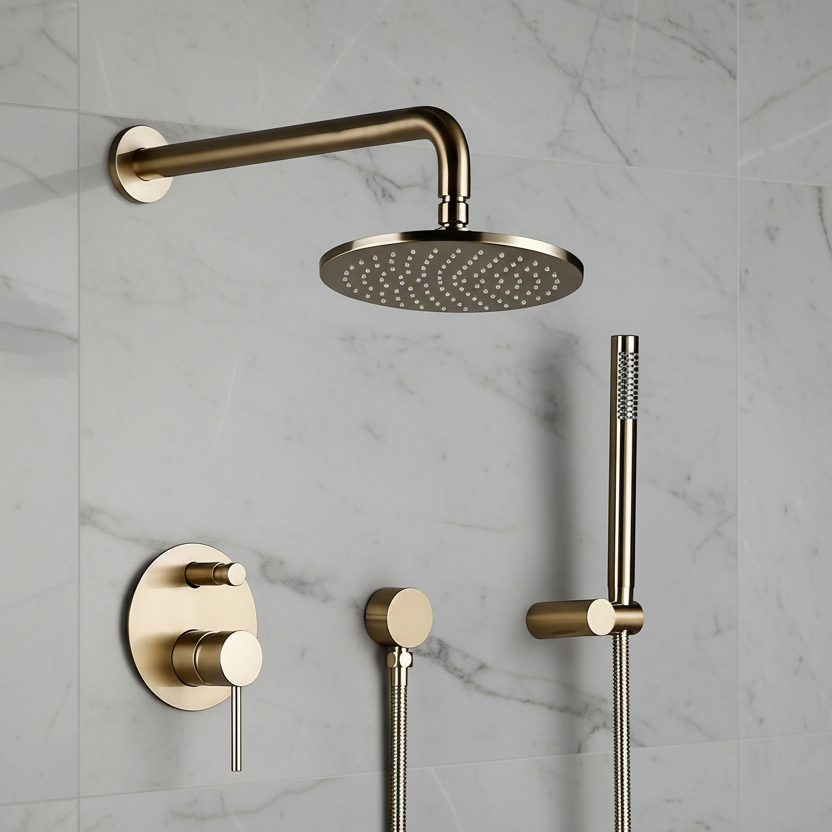
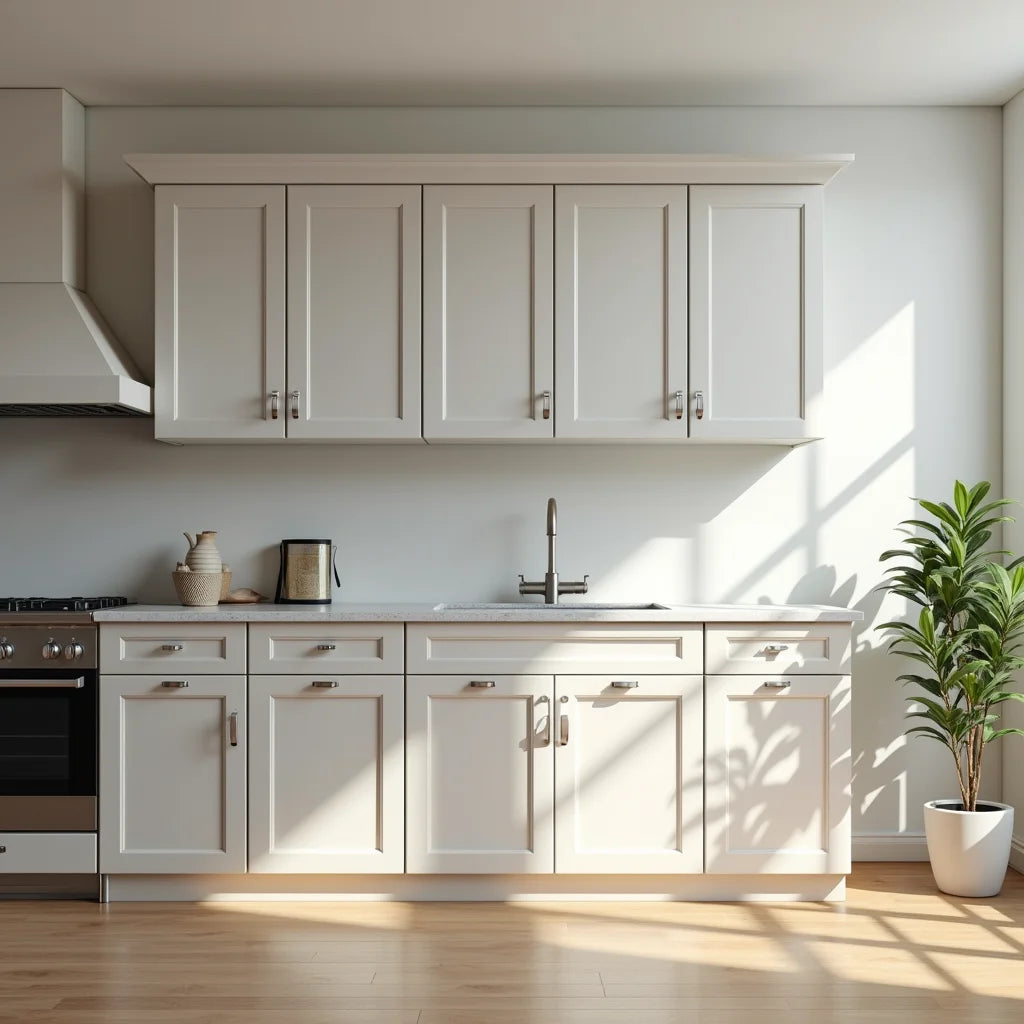
Finishes create harmony. Warm tones like brushed brass or bronze pair nicely with wood grains and warm paint colors, while cool tones such as stainless and polished chrome flatter crisp whites and cool grays. If your kitchen has visible taps, choose handles that coordinate in sheen and tone rather than trying to match every detail. You might explore kitchen faucets to compare finishes side by side, or view bathroom faucets if you are refreshing a vanity. For inspiration on warmer metals, this article on vintage brass finishes offers helpful context about tone, patina, and styling.
4. Prioritize Comfort and Accessibility
Comfort in the hand matters more than you might expect. Test a sample to feel the grip, edge softness, and clearance for fingers. Rounded edges and a gentle profile are friendly for households with children or anyone with sensitive joints. Knobs are compact and tidy, while longer bars offer leverage on wide drawers. On tall pantry doors, a longer handle can reduce strain. When in doubt, select a shape with a generous, easy grasp to support daily use for everyone in the home.
5. Balance Quality and Budget
Materials influence both feel and longevity. Solid metals like brass and stainless steel tend to resist bending and can be refinished or touched up if needed. Coatings and lacquers protect color and sheen, yet lighter finishes may show wear sooner on high-traffic doors. It may be helpful to invest a little more in frequently used drawers and choose simpler pieces for less-accessed cabinets. Buying a few extra pieces for future replacements can preserve a cohesive look over time.
6. Plan Hole Spacing and Placement
Pulls are typically listed by center-to-center spacing, the distance between screw holes. Measure carefully to match existing holes or to mark new ones. For drawers, center the handle both vertically and horizontally unless your design calls for off-center placement. On doors, place knobs about 1 to 2 inches from the edge, aligned with the rail. Consistent spacing across a run of doors creates a calm line for the eye to follow. Use painter’s tape and a template to test positions before drilling.
7. Install and Care with Ease
Installation is usually straightforward with a drill, level, and template. Start small with a pilot hole and check alignment before committing. Tighten screws by hand to avoid over-torquing. For care, wipe with a soft cloth and mild soap, then dry. Avoid abrasive pads and harsh chemicals that can dull finishes. If you love the details of home upgrades, Allfixture’s Buying Guides offer additional insights on coordinating metals and maintaining shine across fixtures.
Key Advantages
- Fast visual refresh: new pulls and knobs can uplift a room without major renovation.
- Improved comfort: ergonomic shapes make everyday use smoother and kinder to hands.
- Durable materials: solid metals resist bending and can handle frequent contact.
- Design cohesion: finishes can echo nearby taps and lighting for a quiet, unified look.
- Flexible styling: mix knobs on doors with bars on drawers for function and balance.
- Easy maintenance: most finishes clean with mild soap and a soft cloth.
- Future-ready: standard hole spacing allows easy updates if tastes change later.
Summary & Next Steps
Thoughtful handles and knobs bring both comfort and style to your everyday routine. Start by measuring, then choose shapes and finishes that support your room’s mood. Test for comfort, plan your hole spacing, and install with a light touch. To coordinate metals across your home, browsing curated collections like best-selling picks can help you compare tones and textures side by side. With a small set of mindful choices, your space can feel calm, cohesive, and welcoming.
Q&A Section
What length pull works best for my drawers?
A simple guideline is to select a pull about one-third of the drawer width. For very wide drawers, you can use two knobs or two smaller handles to spread the load. On narrow drawers, a compact bar or knob often looks proportional. If you prefer a bolder look, a longer handle can be elegant, especially on flat fronts. Always test with paper templates or painter’s tape before drilling.
Can I mix metal finishes in one room?
Yes, mixing is possible when done with intention. Choose one finish as your “lead” (for example, brushed brass) and one as an accent (such as matte black). Keep sheen levels compatible, and repeat each finish at least two or three times across the room so the mix looks deliberate. Use lighting, taps, and door hardware to carry the palette. The result feels layered, not mismatched.
What is center-to-center measurement, and why is it important?
Center-to-center (often abbreviated CTC) is the distance between the two screw holes on a handle. It determines whether a new pull will fit existing holes. If you are replacing pieces, matching the same spacing lets you avoid patching and refinishing. If you are drilling new holes, select a spacing that aligns with your drawer scale (for example, 96 mm or 128 mm) and stay consistent throughout the space for a cohesive look.
About the Author
Written by Evelyn Hart, a home fixtures content strategist with a focus on finish coordination, ergonomics, and installation best practices. Evelyn collaborates with Allfixture to create accessible, step-by-step guides that help readers make confident, graceful updates. She enjoys translating technical details into friendly, practical advice. Thank you for reading, and wishing you a calm, well-aligned space.