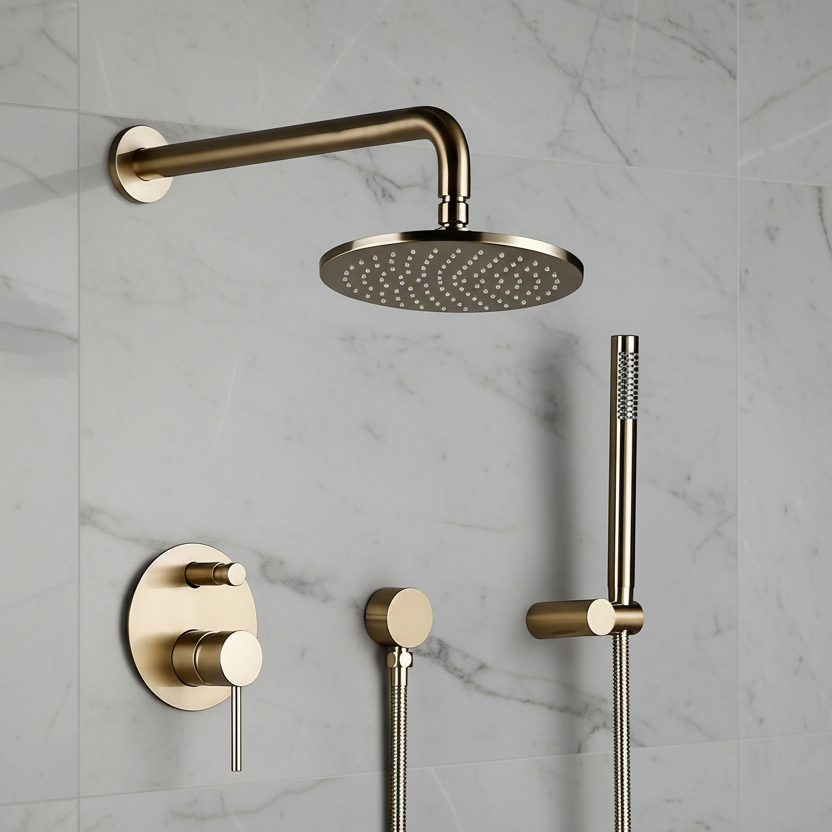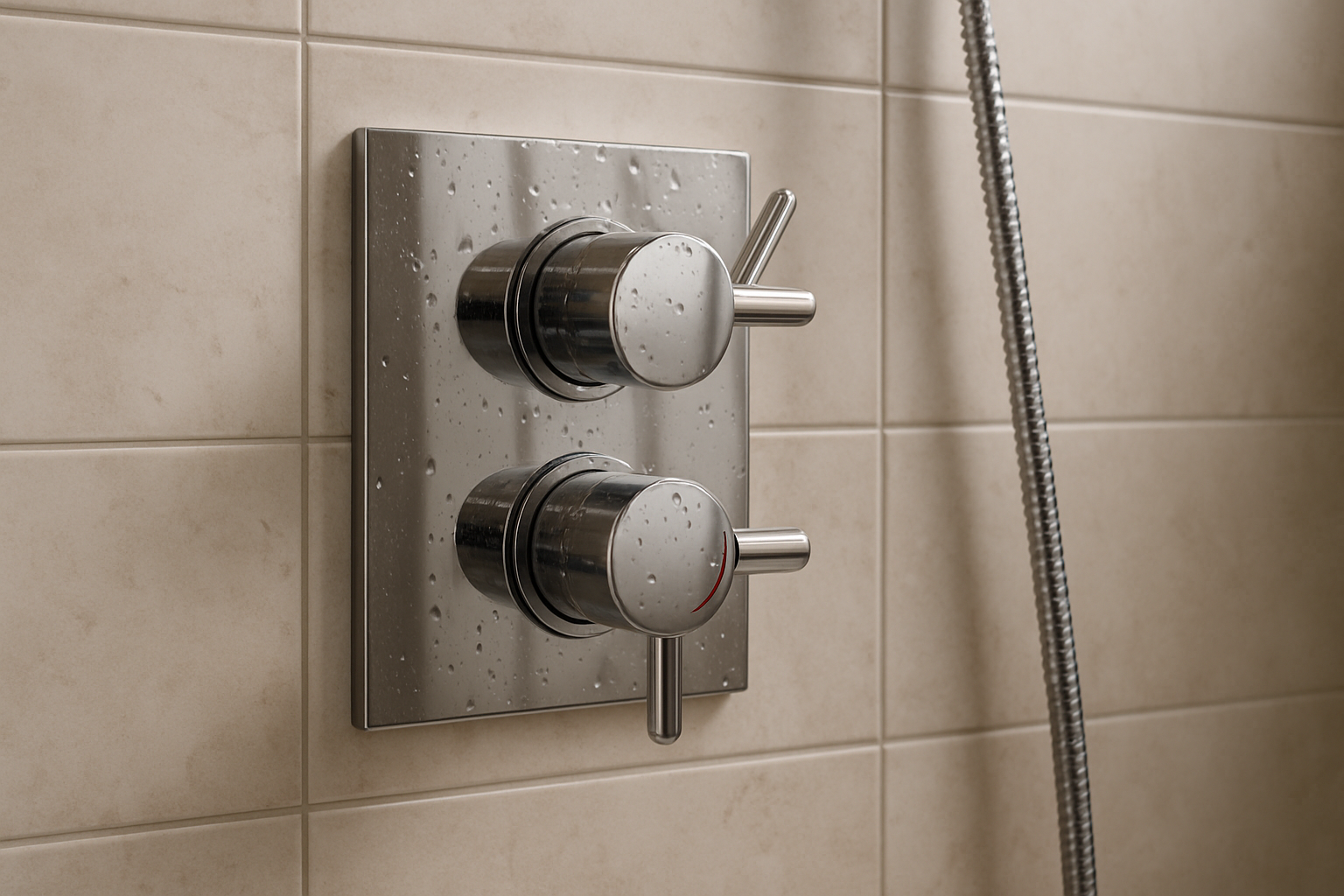
Understanding Thermostatic Shower Technology
Thermostatic shower valves represent a pinnacle of precision engineering in modern bathroom fixtures, delivering consistent water temperature through sophisticated internal mechanisms. These advanced control systems utilize thermostatic elements—typically wax-filled cartridges or bimetallic coils—that respond instantaneously to temperature fluctuations in your water supply. Unlike conventional mixing valves that rely solely on manual adjustment, thermostatic controls automatically compensate for pressure variations and temperature changes throughout your home's plumbing system.
The core functionality centers around a thermostatic cartridge that expands and contracts based on water temperature. When incoming water exceeds your preset temperature, the cartridge expands, reducing hot water flow while increasing cold water volume. This responsive mechanism maintains your desired temperature within one degree Fahrenheit, regardless of simultaneous water usage elsewhere in your residence.
How Thermostatic Valves Differ from Standard Mixers
Standard pressure-balancing valves operate through a diaphragm or piston mechanism that responds primarily to pressure changes rather than temperature variations. While these systems prevent dangerous temperature spikes, they cannot maintain precise temperature control. Thermostatic valves, conversely, monitor actual water temperature and make continuous micro-adjustments to achieve thermal stability.
The distinction becomes particularly evident during peak usage periods. When multiple fixtures operate simultaneously, conventional valves may deliver lukewarm water despite maximum hot water settings. Thermostatic systems maintain your selected temperature by automatically adjusting the hot-to-cold water ratio, ensuring consistent thermal comfort.
Primary Benefits of Thermostatic Shower Valves
Thermostatic shower valve benefits extend far beyond basic temperature control, encompassing safety enhancements, energy efficiency, and superior user experience. These sophisticated systems address common showering frustrations while providing long-term value for discerning homeowners and commercial applications.
Enhanced Safety Features
Scalding prevention stands as the most critical safety advantage of thermostatic controls. These valves incorporate anti-scald technology that immediately shuts off water flow if cold water supply fails, preventing burns from superheated water. Many models feature preset maximum temperature limits, typically 100-104°F, with override capabilities for specific cleaning or therapeutic applications.
"Thermostatic valves reduce scalding incidents by up to 90% compared to conventional mixing valves, making them essential for households with children, elderly residents, or individuals with mobility limitations."
The instantaneous response time—typically under one second—ensures users experience minimal temperature deviation even during sudden pressure drops. This rapid adjustment capability proves invaluable in older plumbing systems where pressure fluctuations occur frequently.
Consistent Temperature Control
Temperature stability represents perhaps the most appreciated benefit among users. Thermostatic valves eliminate the common annoyance of temperature hunting—that frustrating process of constantly adjusting controls to maintain comfortable water temperature. Once calibrated, these systems deliver unwavering thermal performance regardless of external factors affecting your water supply.
The precision extends beyond mere comfort considerations. Consistent temperatures prove essential for therapeutic applications, skincare routines requiring specific thermal conditions, and professional grooming practices where temperature variations can impact product effectiveness.
Energy Efficiency and Water Conservation
Modern thermostatic shower valves contribute significantly to household energy conservation through intelligent water management and reduced waste. These systems eliminate the lengthy warm-up periods associated with conventional valves, delivering your preferred temperature almost immediately upon activation.
Reduced Water Waste
Traditional shower systems often require several minutes of adjustment to achieve desired temperatures, wasting substantial volumes of water during the calibration process. Thermostatic controls remember your preferred settings, delivering precise temperatures within seconds of activation. This efficiency translates to measurable water savings—typically 10-15% reduction in overall shower water consumption.
The elimination of temperature hunting behavior further reduces waste. Users no longer need to run water continuously while making incremental adjustments, as the thermostatic system maintains consistent output once properly configured.
Energy Savings Through Efficient Mixing
Thermostatic valves optimize the hot-to-cold water ratio more efficiently than manual mixing, reducing energy waste associated with overheating water unnecessarily. The precise control mechanisms ensure you use only the minimum hot water required to achieve your desired temperature, reducing demand on your water heating system.
| Valve Type | Average Warm-up Time | Water Waste (Gallons) | Energy Efficiency Rating |
|---|---|---|---|
| Standard Mixing Valve | 2-4 minutes | 3-6 gallons | Standard |
| Pressure-Balancing Valve | 1-3 minutes | 2-4 gallons | Improved |
| Thermostatic Valve | 10-30 seconds | 0.5-1 gallon | Optimal |
Installation and Technical Considerations
Proper installation of thermostatic shower valves requires careful attention to plumbing specifications, water pressure requirements, and system compatibility. These sophisticated mechanisms demand precise installation techniques to ensure optimal performance and longevity.
Plumbing Requirements
Thermostatic valves necessitate balanced hot and cold water pressures for optimal functionality. Significant pressure differentials—typically exceeding 10 PSI variance—can compromise temperature control accuracy. Professional installers often recommend pressure-balancing devices or pressure-reducing valves to maintain system equilibrium.
The positioning of supply lines requires specific attention to manufacturer specifications. Most thermostatic valves feature clearly marked hot and cold inlets that must be connected correctly to ensure proper operation. Reverse connections can damage internal mechanisms and void warranty coverage.
Calibration and Maintenance
Initial calibration involves setting the thermostatic element to respond accurately to your home's specific water temperatures and pressures. This process typically requires professional adjustment using specialized thermometers to verify output temperatures match control settings. Many high-quality units feature accessible calibration screws that allow fine-tuning without complete disassembly.
Ongoing maintenance primarily involves periodic cleaning of thermostatic cartridges to remove mineral deposits that can impair responsiveness. Quality solid-brass construction, such as that featured in premium fixture lines, provides superior corrosion resistance and extended service life compared to lesser materials.
Choosing the Right Thermostatic System
Selecting appropriate thermostatic shower controls requires careful consideration of multiple factors including household usage patterns, existing plumbing infrastructure, and long-term performance expectations. The investment in quality components pays dividends through reliable operation and reduced maintenance requirements.
Material Quality and Construction
Premium thermostatic valves utilize solid brass construction for superior durability and thermal conductivity. Brass components resist corrosion, maintain dimensional stability under thermal cycling, and provide excellent machinability for precise tolerances. Lower-grade materials may exhibit premature wear, leading to temperature control degradation and increased maintenance requirements.
The internal components—particularly thermostatic cartridges—represent critical quality indicators. High-grade cartridges feature precise manufacturing tolerances and utilize advanced materials that respond quickly to temperature changes while maintaining calibration accuracy over extended service periods.
Flow Rate and Performance Specifications
Flow rate capabilities directly impact shower performance and user satisfaction. Quality thermostatic valves maintain consistent flow rates across their entire temperature range, avoiding the flow reduction often experienced with inferior products. Premium units typically support flow rates of 8-12 gallons per minute while maintaining precise temperature control.
- Maximum operating temperature: 160°F (standard)
- Temperature control accuracy: ±1°F
- Response time to temperature changes: <1 second
- Minimum pressure differential: 5 PSI
- Maximum pressure rating: 150 PSI (typical)
Frequently Asked Questions
Do thermostatic valves work with all water heater types?
Thermostatic shower valves function effectively with virtually all water heating systems, including traditional tank heaters, tankless units, solar systems, and heat pump water heaters. However, some instantaneous systems may require specific considerations regarding minimum flow rates and response times. Tankless heaters with long ignition delays might cause brief temperature fluctuations that the thermostatic valve will quickly correct.
Can thermostatic valves be retrofitted into existing shower installations?
Most thermostatic valves can be retrofitted into existing installations, though the process may require plumbing modifications depending on your current configuration. The rough-in dimensions and connection requirements may differ from conventional valves, potentially necessitating tile work or access panel modifications. Professional assessment ensures compatibility and identifies any required infrastructure updates.
How do thermostatic valves perform in homes with low water pressure?
Thermostatic valves generally require minimum operating pressures of 15-20 PSI for optimal performance, though many quality units function adequately at lower pressures with some performance reduction. Extremely low pressure systems may benefit from booster pumps or pressure tank installations to achieve ideal operating conditions. The temperature control accuracy remains functional even at reduced pressures, though flow rates may be compromised.
What maintenance schedule should be followed for thermostatic valves?
Regular maintenance involves annual inspection of cartridge condition and calibration verification. In areas with hard water, more frequent cartridge cleaning or replacement may be necessary to prevent mineral buildup that can impair thermostatic response. Quality brass construction significantly extends maintenance intervals compared to lesser materials, making initial investment in premium components cost-effective over the valve's service life.
Still deciding between valve technologies? Read our head-to-head comparison: Thermostatic vs Pressure Balance Shower Valves: Which to Choose.