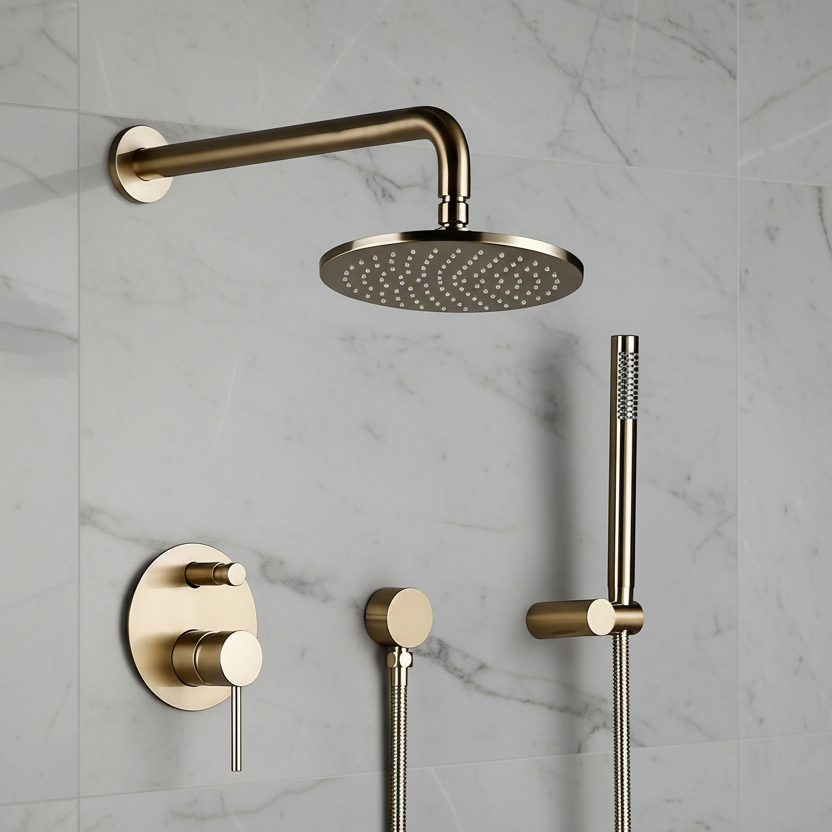
Buying Guides

Guide to Choosing Kitchen Faucets for Every Budget
Updated on: 2025-11-26 This guide to kitchen faucets explains the main types, key features, and simple installation steps so you can choose with confidence. You will find clarity on pull-down sprayers, pot filler faucets, and finishes, plus tips for small kitchens and everyday care. A short myths-and-facts section clears up common misunderstandings, and the FAQs provide quick, practical answers. Product spotlights highlight thoughtfully designed options that balance form and function. Table of Contents A Gentle Introduction to Kitchen Faucets and What You Will Learn Product Spotlight: Thoughtfully Designed Kitchen Faucets Types of Kitchen Faucets Explained What are the main types of kitchen faucets? Finishes and sprayer options to consider How to Install a Kitchen Faucet and Tools Needed Tools you will need Step-by-step installation guide Myths and Facts About Kitchen Faucets Frequently Asked Questions About Kitchen Faucets Final Recommendations for Choosing Kitchen Faucets Kitchen Faucets Q&A About the Author: Allfixture A Gentle Introduction to Kitchen Faucets and What You Will Learn Kitchen faucets are used more than almost any other fixture at home, so a thoughtful choice can make daily routines smoother and more enjoyable. In this guide, you will learn how to compare kitchen faucets by type, handle style, sprayer function, and finish. We will also touch on common questions about kitchen taps, the differences between a pull-down kitchen faucet and other sprayer designs, and when a pot filler faucet makes sense. By the end, you may feel more comfortable selecting features that fit your space, your budget, and your cooking habits. Product Spotlight: Thoughtfully Designed Kitchen Faucets Below are a few examples that illustrate how design and utility can meet in a kitchen faucet. These spotlights focus on features that tend to offer long-term value, from durable materials to practical sprayers. Spotlight 1: Warm character with modern function If you appreciate a timeless look, a classic, arched silhouette can pair beautifully with modern internals. A Antique Brass Pull-Down style offers a comfortable single-handle operation, a pull-down spray head with stream and spray modes, and a finish that softens the visual tone of stainless appliances. Pull-down sprayers are convenient for rinsing produce, reaching corners of the sink, and filling large pots without heavy lifting. Spotlight 2: Streamlined hydration and cooking Some homeowners prefer to integrate filtered or purified water at the sink for drinking and cooking. A thoughtfully engineered option such as a Purified Water Tap Faucet keeps lines separate and flow simple, so you can switch from standard tap water to purified water without crowding the deck. Solid brass construction may help with durability and weight, offering a stable feel during daily use. Spotlight 3: Explore a curated selection If you are still deciding, browsing an organized collection can make comparisons easier. You can explore sizes, finishes, and handle types in one place here: Kitchen Faucets. Consider the footprint of your sink and countertop depth as you review spout reach, height, and installation hole requirements. Types of Kitchen Faucets Explained What are the main types of kitchen faucets? There are several common types of kitchen faucets, each with benefits suited to different tasks and layouts: Single-handle faucets: Simple to use, with one lever to control temperature and flow. These save space and are easy to adjust with one hand. Double-handle faucets: Separate hot and cold handles allow fine control. They can pair nicely with traditional and transitional kitchens. Pull-down kitchen faucet: The spray head pulls down into the sink for rinsing and cleaning. This design helps reduce splashing and usually offers strong reach. Pull-out faucet: The spray head pulls toward you rather than downward, often with a shorter spout. This can be practical in compact spaces. Commercial-style faucet: A high-arc spring design provides extended reach and powerful spray. It suits avid cooks who wash larger cookware. Bridge faucet: A traditional two-handle look with an exposed bridge between hot and cold. Often chosen for farmhouse or heritage-inspired kitchens. Wall-mounted faucet: Saves countertop space by mounting to the wall. Good for deep sinks and easy cleaning, though installation planning is important. Pot filler faucet: Installs near the stove to fill large pots without carrying them from the sink. This can be helpful for frequent pasta, soup, or stock cooking. Bar or prep faucet: A secondary, smaller faucet for a prep sink or beverage station. Helpful during gatherings or multitasking. For small kitchens, look for compact spout heights, shorter reaches, and designs that maximize versatility. The best kitchen faucets for small kitchens often include slim single-handle models or pull-out sprayers that keep the profile tidy yet functional. Finishes and sprayer options to consider Finish affects both appearance and upkeep. Stainless and chrome are bright and easy to match with appliances. A brushed nickel kitchen faucet with pull-down sprayer offers a softer sheen that tends to hide fingerprints. Matte black adds contrast and a modern touch, while brass tones bring warmth. When choosing a sprayer, consider whether you prefer a magnetic docking system, switchable stream and spray modes, and a pause function for neatly moving between tasks. How to Install a Kitchen Faucet and Tools Needed Many homeowners feel comfortable installing a new faucet with basic tools and careful steps. If your plumbing has unique conditions or you prefer assistance, a qualified professional can provide support. If you would like to try it yourself, the outline below may help. Tools you will need Adjustable wrench and basin wrench Plumber’s tape (PTFE tape) Bucket or towel for catching water Non-abrasive sponge or cloth Flashlight for visibility under the sink Step-by-step installation guide Turn off water supply valves under the sink. Open the faucet to relieve pressure. Place a bucket or towel beneath connections. Disconnect the hot and cold supply lines. Loosen and remove the mounting nuts that secure the old faucet. Lift out the faucet and clean the deck surface. Position the new faucet and any included gasket or deck plate. Ensure it sits level. From below, thread on the mounting hardware and tighten evenly. Hand-tighten first, then finish snugly with a wrench. Connect the hot and cold supply lines to the corresponding valves. Wrap threads with plumber’s tape if needed, and avoid overtightening. If your faucet has a pull-down hose, feed it through and attach the counterweight according to the instructions. Turn the water supply back on slowly. Check all connections for leaks and tighten gently if required. Run the faucet for a minute to clear air, then test all functions, including spray modes. If your sink has extra holes, you might add a soap dispenser, filtered water tap, or cover plate. Choosing a faucet that matches your sink’s hole configuration helps the process go smoothly. Myths and Facts About Kitchen Faucets Myth: All kitchen faucets perform the same. Fact: Cartridge quality, spray head design, and materials make a noticeable difference in feel and reliability. Myth: Higher flow always cleans better. Fact: Spray pattern and pressure often matter more than flow volume, and water-saving aerators can still rinse well. Myth: Pull-down sprayers are only for large sinks. Fact: Many compact pull-down models fit small spaces while improving reach and control. Myth: Brass finishes are hard to maintain. Fact: Modern coatings and care instructions make upkeep manageable with simple, non-abrasive cleaning. Frequently Asked Questions About Kitchen Faucets How do I choose between a pull-down and pull-out sprayer? A pull-down sprayer extends into the sink and is helpful for deep basins and taller pots. A pull-out sprayer extends toward you and can be easier in compact areas with limited clearance behind the faucet. Which finishes resist fingerprints best? Brushed finishes, such as brushed nickel, tend to disguise smudges better than polished chrome. Matte textures also reduce visible prints, though gentle cleaning remains important. Is a pot filler faucet worth it? If you often cook with large, water-filled cookware, a pot filler near the cooktop can reduce carrying weight. For occasional use, a high-arc pull-down faucet at the sink may suffice. How often should I clean the aerator? Checking the aerator every few months is a helpful habit. Mineral buildup can be rinsed or soaked in a mild solution to maintain smooth flow. Final Recommendations for Choosing Kitchen Faucets When you compare kitchen faucets, start with your sink size and daily routines. A single-handle pull-down kitchen faucet often serves most homes well, offering reach, control, and simple one-hand use. For compact spaces, short spout heights and pull-out sprayers conserve vertical and rear clearance. If you value integrated hydration, a design with a dedicated purified-water outlet may be convenient. It also helps to review cartridge type, hose quality, and mounting hardware, as these details influence long-term satisfaction. If you would like further reading on styles and planning, this guide offers helpful context: Modern Faucet Guide. For a curated look at sizes and finishes in one place, you can also browse here: Kitchen Faucets. Kitchen Faucets Q&A What GPM should I look for in a kitchen faucet? Many kitchen faucets range around 1.5–2.2 GPM depending on local regulations. A balanced option helps conserve water while still providing a comfortable rinse. Are touch or touchless faucets difficult to maintain? Most are straightforward to care for. Keep sensors clean and dry, replace batteries when needed, and follow the manufacturer’s guidance for electronics and finishes. How can I prevent a pull-down hose from drooping? Ensure the counterweight is correctly positioned and unobstructed under the sink. Proper routing and adequate space help the spray head dock firmly after each use. About the Author: Allfixture Allfixture Allfixture shares practical, design-forward guidance to help homeowners choose fixtures that feel right every day. Our team studies materials, finishes, and ergonomics to make selection easier and more enjoyable. Thank you for reading—if you have a question, we are always glad to help.
Learn more
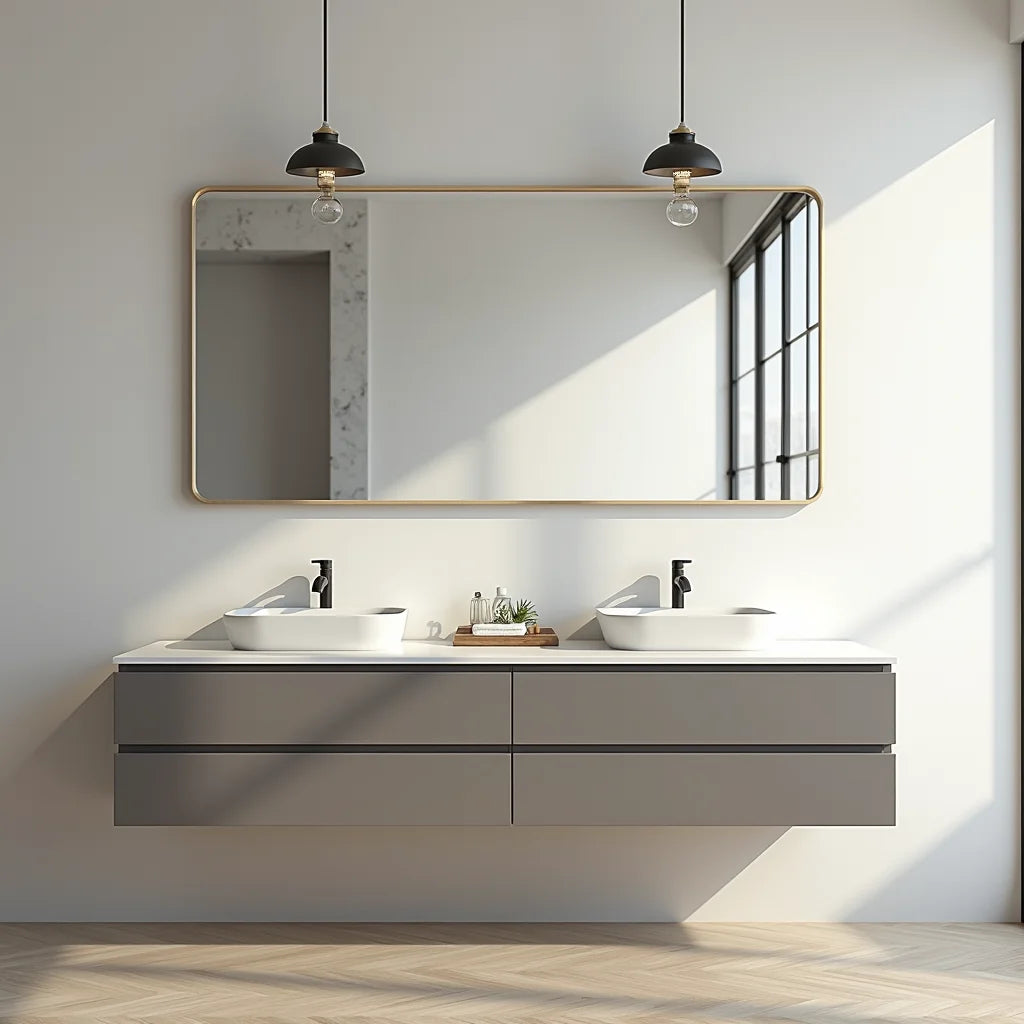
Choosing Bathroom Fixtures for a Practical Stylish Space
Updated on: 2025-11-25 Choosing bathroom fixtures with care can elevate comfort, improve water savings, and create a cohesive look. This guide explains how bathroom hardware and bathroom fittings work together, what to avoid, and how to choose pieces suited to your space. You will find a practical buyer’s checklist, answers to common questions, and gentle guidance on style, efficiency, and longevity. It is designed to help you feel confident as you compare bathroom faucets, shower fixtures, and other essentials. Table of Contents A thoughtful introduction to bathroom fixtures and fittings Defining bathroom hardware vs bathroom fittings Common mistakes people make with bathroom fixtures Confusing bathroom hardware and fittings Ignoring water-efficient bathroom fixtures Overlooking modern bathroom fixtures for small bathrooms Mixing incompatible finishes and styles Skipping fit checks and installation planning Buyer’s checklist for bathroom fixtures Fit and compatibility Performance and efficiency Durability and maintenance Style, finish, and cohesion Budget, warranty, and support FAQ about bathroom fixtures What are bathroom fixtures? How do I choose bathroom fixtures for a remodel? Are water-efficient bathroom fixtures worth it? What works best for small bathrooms? Wrap-up and final thoughts on bathroom fixtures Q&A on choosing bathroom fixtures Should all bathroom fixtures match in finish? How can I improve shower pressure without wasting water? How should I care for brass or matte finishes? About the author A thoughtful introduction to bathroom fixtures and fittings Choosing bathroom fixtures is one of the most meaningful steps in a remodel or refresh. Early choices about bathroom hardware, bathroom fittings, bathroom faucets, and shower fixtures shape how your space looks and how it feels to use every day. With a clear plan, you can create a bathroom that balances comfort, efficiency, and timeless style. This guide offers a calm, step-by-step approach so you may select pieces that suit your routine and your budget. Defining bathroom hardware vs bathroom fittings It may help to separate terms before you compare options. Bathroom fittings generally include items plumbed into the water system, such as faucets, showerheads, valves, and drains. Bathroom hardware often refers to accessories like towel bars, robe hooks, and toilet paper holders. Both matter for function and design. When your bathroom fittings set the tone, coordinated hardware supports a cohesive look and makes the space easier to use. Common mistakes people make with bathroom fixtures It is easy to feel overwhelmed by finishes, features, and technical specifications. The points below highlight common missteps to help you avoid frustration later. Confusing bathroom hardware and fittings Mixing these categories during planning can lead to mismatched finishes or missing parts. Consider your main bathroom fixtures first (faucets, shower system, and valves). Then match accessories to the core palette and metal tones. Ignoring water-efficient bathroom fixtures Water-efficient bathroom fixtures support comfort while helping reduce usage. Choosing certified low-flow showerheads and aerated faucets can maintain a pleasant experience. This approach respects both your utility costs and the environment without sacrificing performance. Overlooking modern bathroom fixtures for small bathrooms Compact vanities, wall-mounted faucets, and slim shower fixtures can open up tight layouts. In small rooms, streamlined lines and shallow projections reduce visual clutter, which gently makes the area feel larger and easier to navigate. Mixing incompatible finishes and styles Combining too many metal tones or styles may create visual tension. Choosing one primary finish for bathroom fittings and repeating it on hardware brings calm unity. If you enjoy contrast, you might introduce a single accent finish on a mirror frame or light fixture for balance. Skipping fit checks and installation planning Before purchasing, it is wise to confirm connections, clearances, and wall depths for valves and trim. Confirm spout reach for bathroom faucets, rough-in dimensions for shower fixtures, and drain compatibility for basins. This simple review can save time and reduce returns. Buyer’s checklist for bathroom fixtures The following checklist aims to make selection easier. You can use it to compare options and feel assured about your decision. Fit and compatibility Confirm faucet hole configuration (single-hole, centerset, widespread) and spout reach for your sink. Check valve compatibility for shower fixtures (pressure-balance vs. thermostatic) and ensure correct rough-in depth. Measure clearances for handles, towel bars, and doors to prevent interference. Match drain type and size to the basin and ensure overflow compatibility if needed. Performance and efficiency Choose water-efficient bathroom fixtures with aerators or multi-function showerheads that support comfort. Consider spray patterns you will use most often (rain, massage, combination) and flow rates appropriate for your preference. Review ceramic disc cartridges in faucets for smooth operation and fewer leaks over time. Durability and maintenance Prefer solid-brass bodies and metal handles for longevity and a substantial feel. Look for corrosion-resistant finishes and easy-clean designs to reduce spotting and buildup. Confirm availability of replacement parts, especially cartridges and valves. Style, finish, and cohesion Choose a consistent style family for bathroom fittings and coordinate bathroom hardware to match. For modern bathroom fixtures for small bathrooms, opt for slim profiles, wall-mount options, or clear glass enclosures. Balance matte, brushed, or polished finishes with your cabinetry, mirrors, and lighting. Budget, warranty, and support Set a realistic budget that covers valves, trim, and accessories as a complete system. Review warranty terms on finishes and cartridges, and note any limits. Consider customer support and access to installation guides or service if questions arise. If you are beginning your search, browsing a curated range can be reassuring. You might explore bathroom faucets and coordinated shower sets to compare finishes, features, and price points at a glance. FAQ about bathroom fixtures What are bathroom fixtures? Bathroom fixtures are the plumbed elements that deliver or drain water, such as faucets, showerheads, valves, and drains. Many people also include toilets and bidets in this category. By contrast, bathroom hardware typically refers to accessories like towel bars and hooks. Working together, these choices shape function, comfort, and the overall look of the room. How do I choose bathroom fixtures for a remodel? It may help to start with your layout and routine. Identify the faucet configuration your sink requires, decide on a shower system (pressure-balance or thermostatic), then select finishes that complement your cabinetry and lighting. Favor solid construction, water-efficient bathroom fixtures, and a clear warranty. A brief checklist of fit, performance, durability, style, and budget can guide a calm, confident decision. Are water-efficient bathroom fixtures worth it? Water-efficient options are designed to reduce usage while maintaining a pleasant flow. Modern aerators and multi-function showerheads provide a comfortable experience, and pressure-balancing valves help stabilize temperature. Over time, these thoughtful choices can support both comfort and savings. What works best for small bathrooms? For compact rooms, consider wall-mounted or single-hole bathroom faucets to save counter space, and choose shower fixtures with slim profiles or integrated handhelds. Clear shower enclosures and light finishes can help the room feel open. Selecting modern bathroom fixtures for small bathrooms with streamlined lines often creates a calm, uncluttered look. For inspiration on complete systems, you might review a versatile option like the solid brass shower set with handheld shower to see how a coordinated design can simplify planning and installation. Wrap-up and final thoughts on bathroom fixtures Bathroom fixtures affect daily comfort in quiet but meaningful ways. By clarifying the difference between bathroom fittings and bathroom hardware, focusing on water efficiency, and planning your finishes with care, you can create a space that feels balanced and welcoming. When you check fit, performance, durability, and maintenance before buying, you reduce surprises and protect your budget. If you would like to compare complete collections that bring faucets and showers together with matching finishes, a curated assortment of best-selling pieces may be a gentle place to begin. Q&A on choosing bathroom fixtures Should all bathroom fixtures match in finish? They do not need to be identical, although using one dominant finish often creates calm consistency. If you prefer contrast, many people choose one accent finish in a small area, such as cabinet hardware or a mirror frame. Keeping most bathroom fittings the same finish ensures the room still feels cohesive. How can I improve shower pressure without wasting water? You could look for shower fixtures that optimize spray design rather than simply increasing flow. Aerated or well-engineered heads can feel satisfying at lower rates. Pairing a quality valve with a thoughtful showerhead often improves comfort while staying considerate of water use. How should I care for brass or matte finishes? Gentle care tends to work best. Use a soft cloth and mild soap, and avoid abrasive pads or harsh cleaners that may dull or scratch the surface. Wiping away water spots after use can help maintain a consistent appearance over time. About the author Allfixture shares practical guidance on bathroom fixtures, fittings, and finishes to help readers make calm, confident choices. With a focus on durability, efficiency, and timeless style, Allfixture aims to simplify complex decisions. Thank you for reading, and we hope this guide supports your next project.
Learn more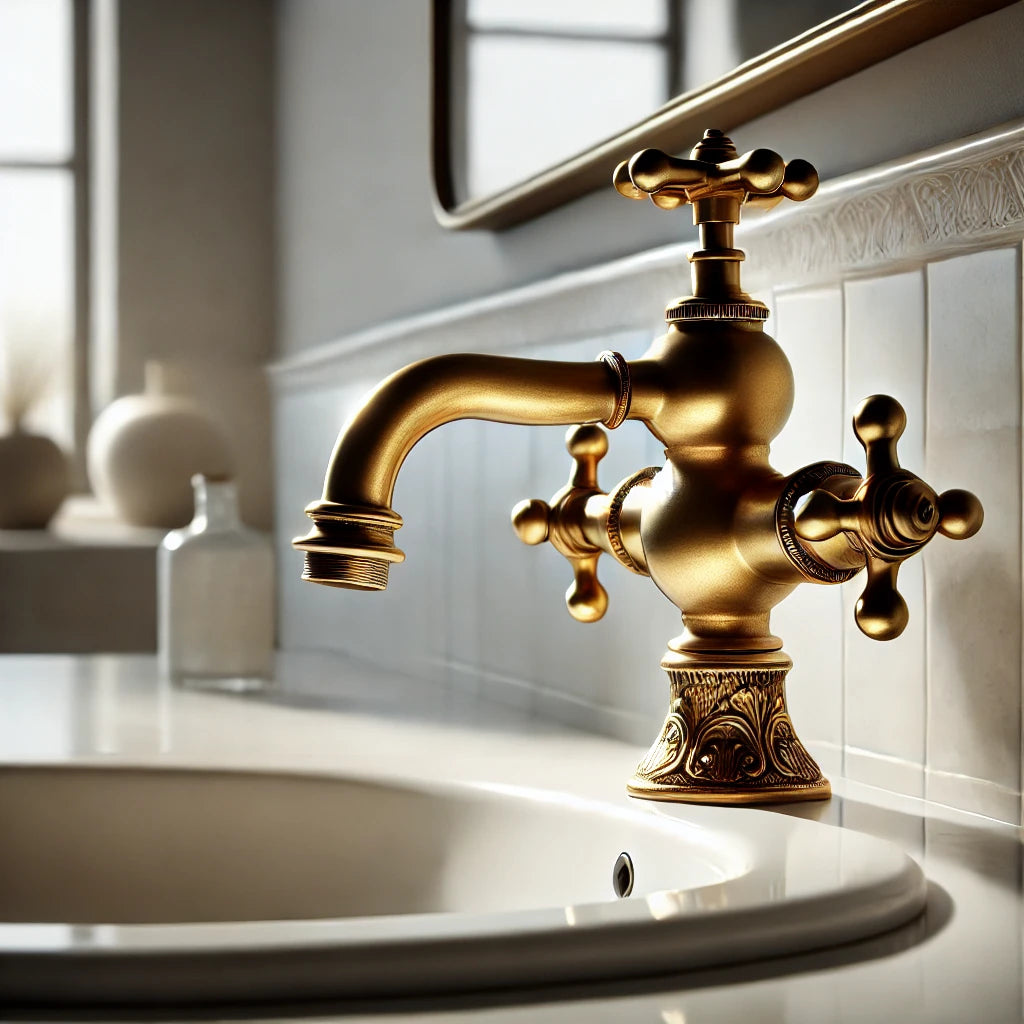
Timeless Luxury: The Charm of Vintage Brass Faucets
Discover the timeless elegance and durability of vintage brass faucets for a luxurious and classic bathroom design.
Learn more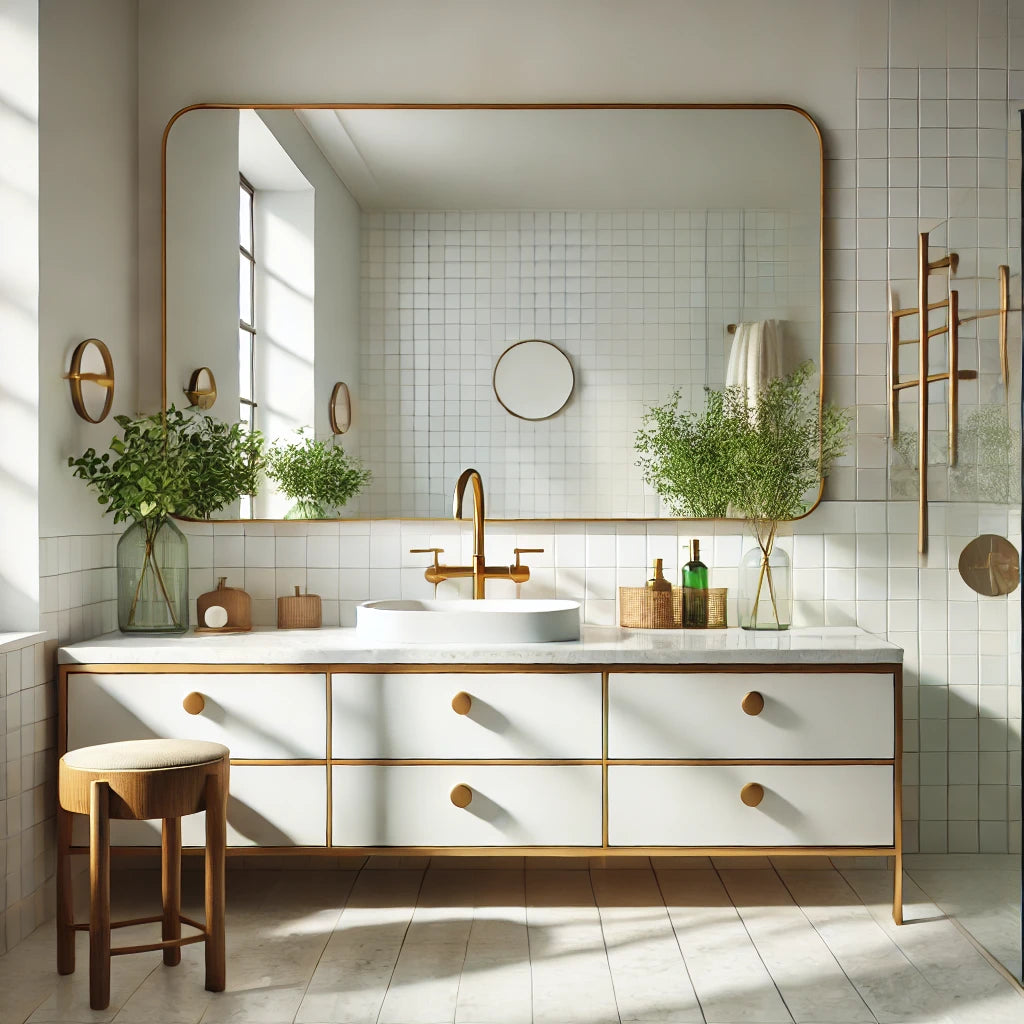
Elevate Your Space with Antique Brass Faucets: Timeless Style and Modern Functionality
Discover the timeless elegance of antique brass faucets for your bathroom, kitchen, and shower, offering vintage charm with modern functionality.
Learn more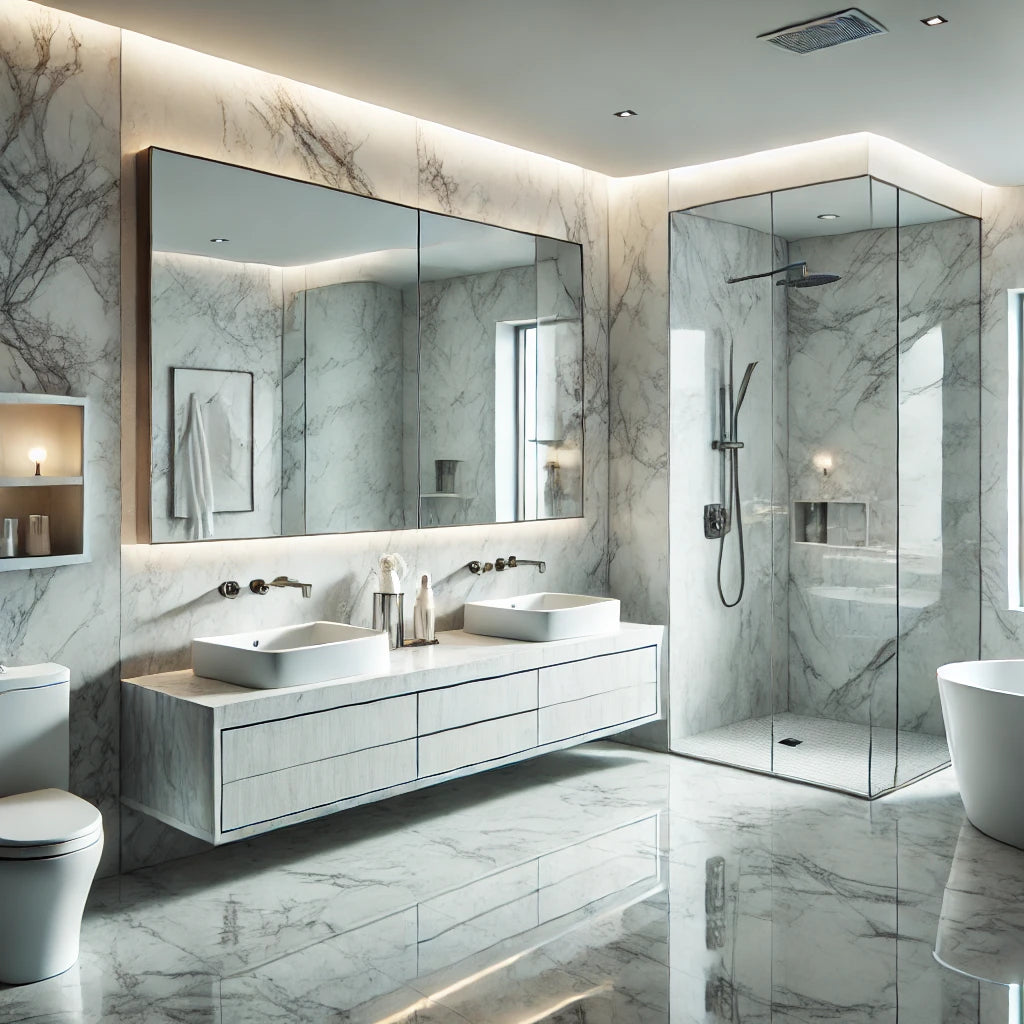
How to Choose the Right Faucet for Your Needs
Learn how to choose the right faucet for your kitchen or bathroom with our comprehensive guide. Explore tips on selecting the perfect kitchen faucet, bathroom sink faucet, shower head, and more to meet your needs and style preferences
Learn more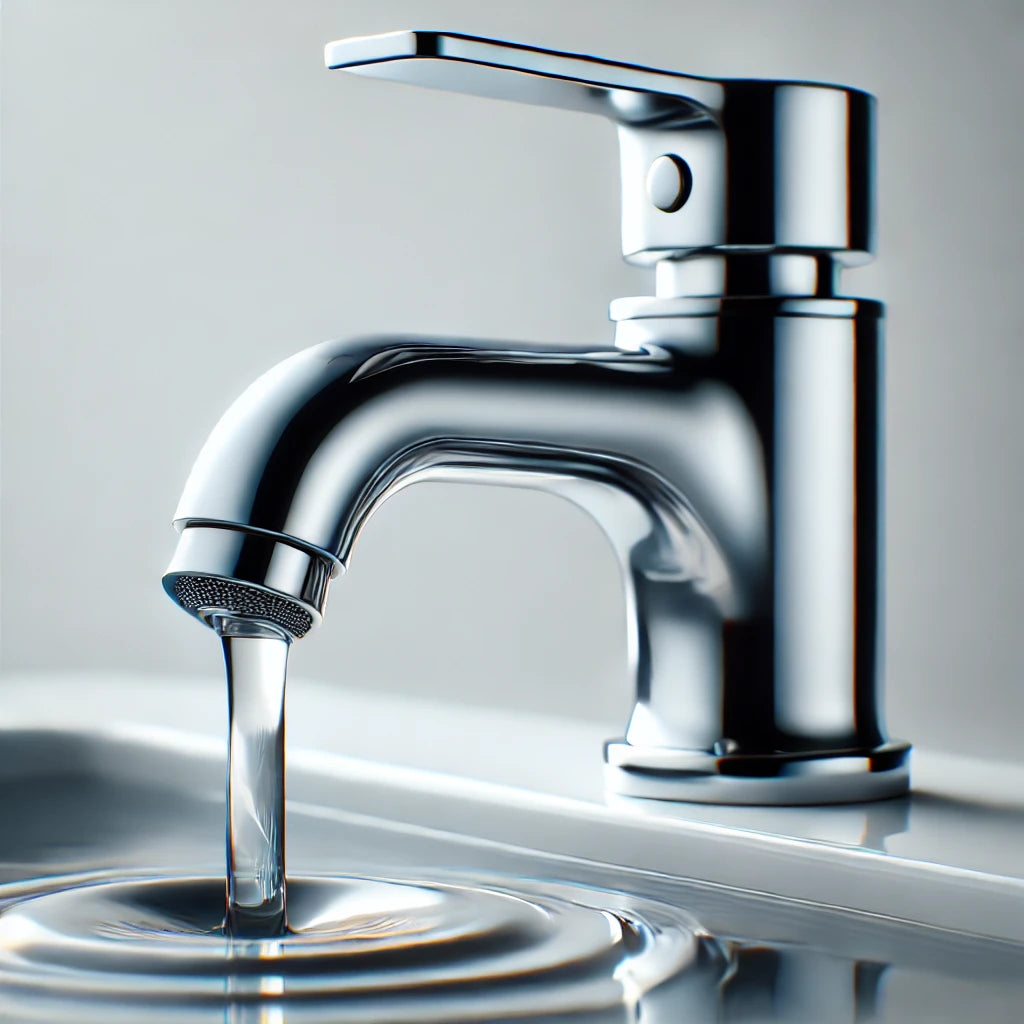
Understanding the Different Types of Faucets for Your Home
Discover the various types of faucets for your home, including kitchen faucets with sprayers, bathroom sink faucets, rain shower heads, and more.
Learn more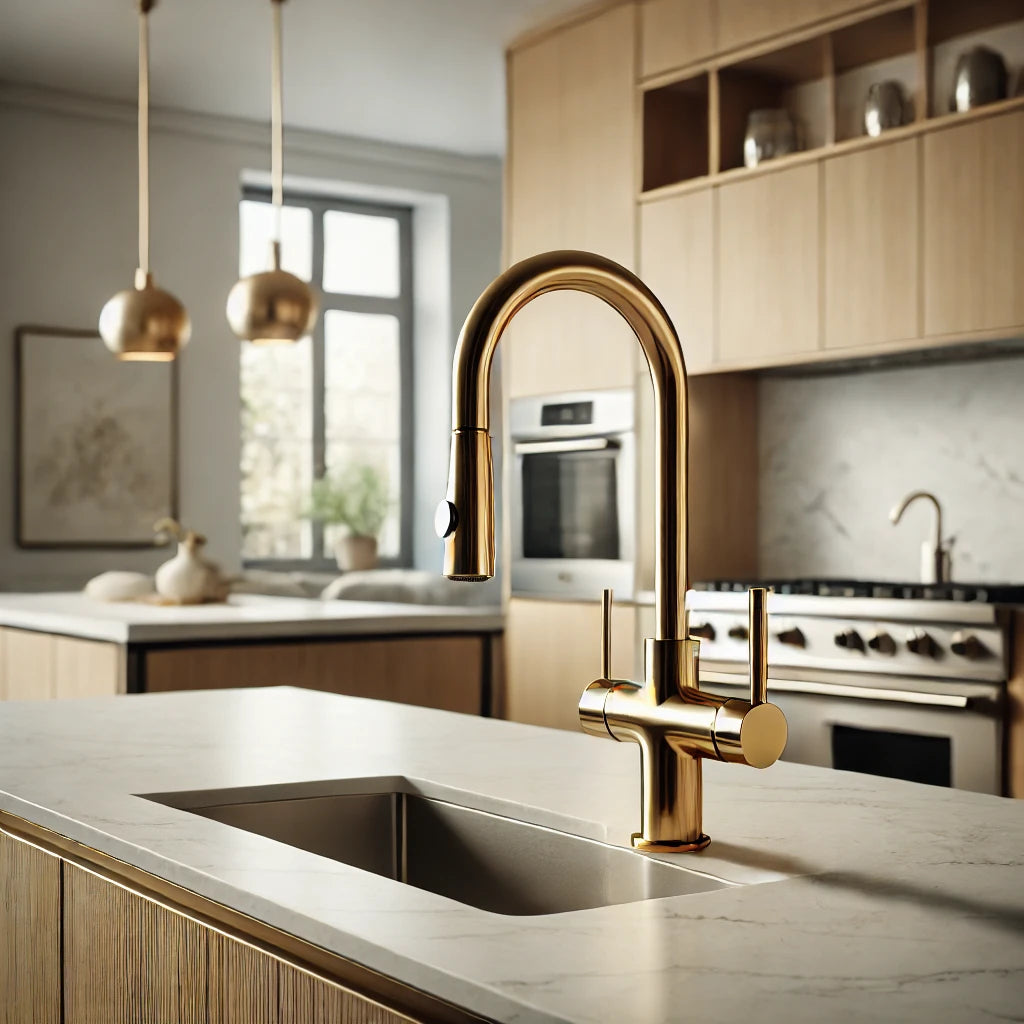
Top Reasons Brass Faucets Excel in Bathrooms and Kitchens
Discover why brass bathroom faucets, kitchen faucets, shower heads, bathtub faucets, and shower faucets excel in style, durability, and functionality. Learn more now.
Learn more