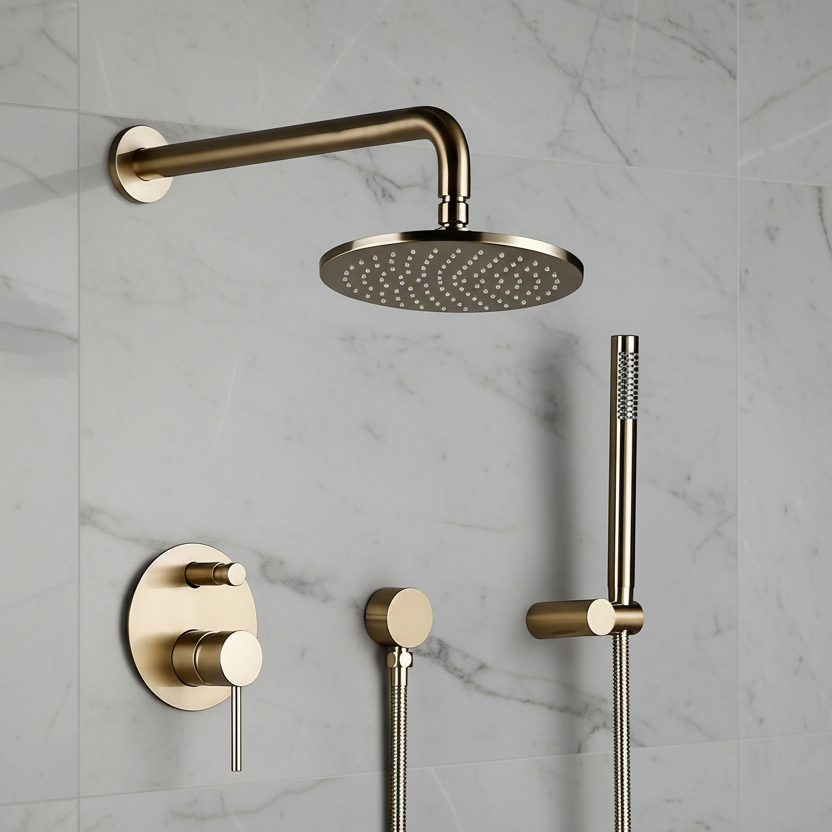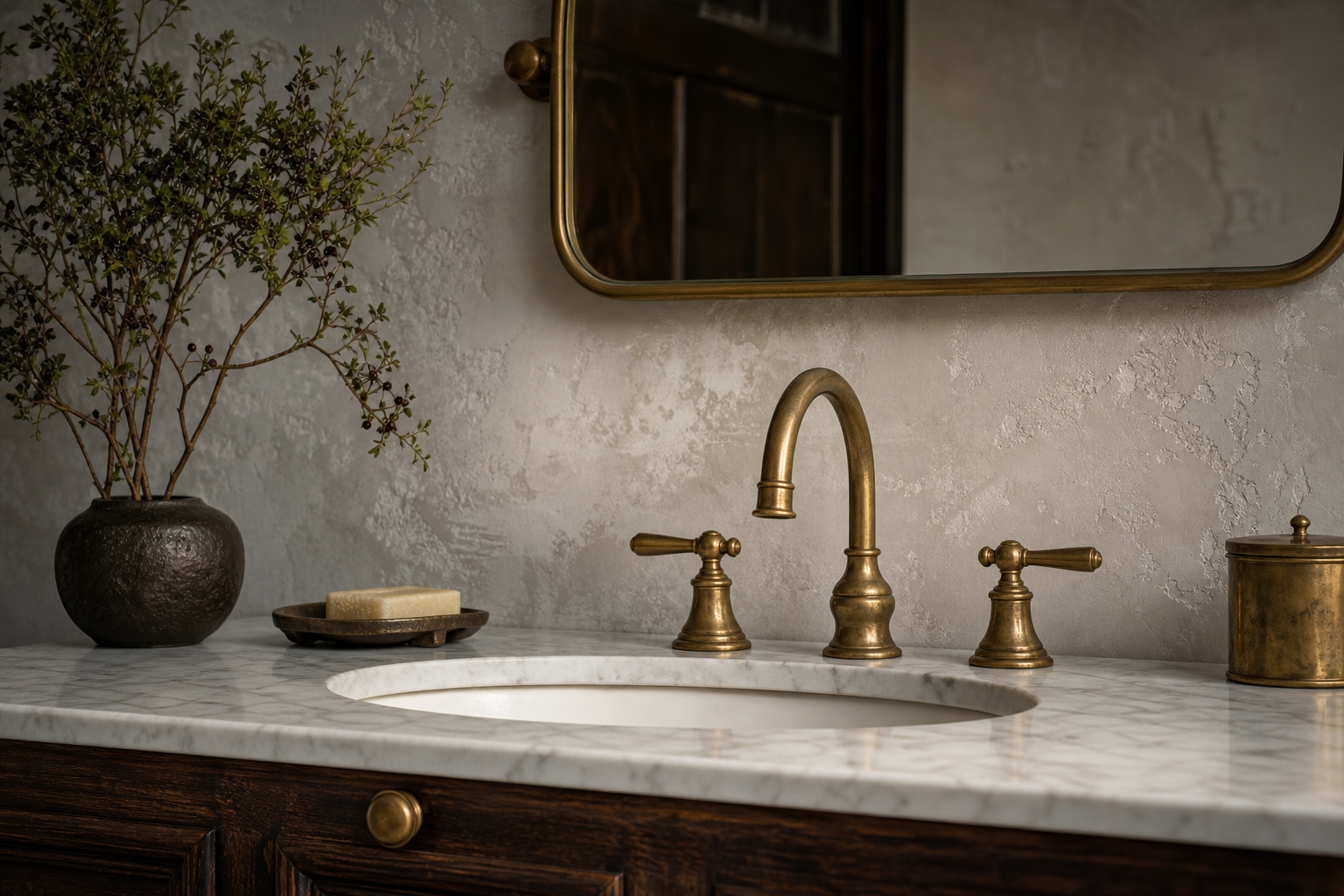
The allure of antique brass transcends fleeting design trends, offering a timeless warmth that transforms ordinary bathrooms into sanctuaries of refined elegance. This living finish evolves gracefully over time, developing a unique patina that tells the story of daily rituals and patient stewardship. Yet achieving and maintaining that authentic, aged character requires understanding the distinctive properties of this noble material and the deliberate techniques that preserve its lustrous depth.
Antique brass distinguishes itself from contemporary polished finishes through its intentionally darkened surface—a complex interplay of copper and zinc that has been treated to simulate decades or even centuries of natural oxidation. The result is a finish that whispers of heritage while demanding specific care protocols that honor its delicate surface chemistry.
Understanding the Chemistry Behind Antique Brass Patination
The transformation of raw brass into its antiqued state involves controlled oxidation processes that accelerate what would naturally occur over extensive timeframes. Manufacturers employ various chemical treatments—often proprietary formulations containing sulfur compounds or acidic solutions—that react with the copper content within the brass alloy. This deliberate corrosion creates the characteristic mottled browns, deep bronzes, and verdigris undertones that collectors and design enthusiasts prize.
Unlike electroplated finishes that merely coat the surface, authentic antique brass develops its character throughout the material itself when properly crafted. The patina exists in symbiosis with the underlying metal, creating dimensional depth impossible to replicate with superficial treatments alone. This fundamental difference explains why genuine antique brass fixtures exhibit superior longevity compared to their artificially aged counterparts.
The brass substrate typically contains approximately 67% copper and 33% zinc, though formulations vary among manufacturers. Higher copper content generally produces richer, more responsive patinas that deepen organically with exposure to ambient moisture and the oils from human touch. This responsiveness, however, also necessitates mindful maintenance strategies that prevent unwanted tarnishing or discoloration patterns that detract from the finish's harmonious aesthetic.
Selecting Fixtures with Enduring Patina Potential
Not all antique brass fixtures are created equal. Discerning buyers should investigate the construction methodology before committing to specific pieces. Solid brass components offer unparalleled durability and allow for restoration should the finish become compromised over decades of service. Plated alternatives, while initially attractive, present significant challenges when surface wear inevitably exposes the base metal beneath.
Evaluating Manufacturing Quality
Premium manufacturers specify the exact composition of their brass alloys and detail their finishing processes with transparency. Look for fixtures that acknowledge the living nature of their patina, often describing how the finish will continue evolving after installation. This candor signals confidence in both materials and craftsmanship.
Examine joinery and connection points where different components meet. Seamless integration without visible gaps or misalignment indicates precision engineering that extends beyond mere surface aesthetics. The weight of a fixture also provides tactile evidence of substance—solid brass possesses considerable heft that hollow or plated alternatives cannot replicate.
The Maison Collection: Exemplary Craftsmanship in Antique Brass
For those seeking fixtures that embody authentic antique brass excellence, the Maison Antique Brass Bathroom Faucet represents a paradigm of thoughtful design married to robust construction. Crafted from premium solid brass with meticulous attention to patina development, this fixture arrives with a pre-aged surface that will continue maturing beautifully throughout its service life.
The Maison collection addresses the primary concern of antique brass bathroom finish care by utilizing protective techniques that preserve the patina's character while maintaining hygienic surfaces suitable for daily bathing rituals. Its substantial build ensures stability during operation, while the carefully calibrated finish balances aesthetic depth with practical maintenance requirements.
This fixture demonstrates how superior materials and considered engineering eliminate common pitfalls associated with lesser antique brass offerings, providing homeowners and designers with a reliable foundation for their vintage-inspired bath environments.
Essential Care Protocols for Antique Brass Surfaces
Maintaining the distinguished appearance of antique brass requires abandoning conventional cleaning wisdom applied to chrome or stainless steel. The fundamental principle: less intervention yields better outcomes. Aggressive scrubbing or harsh chemical agents strip away the precious patina layers that define the finish's character, potentially causing irreversible damage.
Daily Maintenance Practices
Simple water droplet removal stands as the most effective daily ritual. After each use, gently blot fixtures with a soft, lint-free cloth—microfiber varieties work exceptionally well—to prevent mineral deposits from etching the surface. This abbreviated routine prevents the accumulation of hard water residues that manifest as cloudy white films or chalky accretions.
Avoid allowing standing water to pool around fixture bases or handles. These moisture traps accelerate uneven oxidation, creating dark rings or splotches that disrupt the finish's harmonious variation. A quick wipe-down requires mere seconds yet prevents complications demanding far more extensive remediation efforts later.
Weekly Deep Cleaning Techniques
When more thorough cleaning becomes necessary, employ only pH-neutral cleansers specifically formulated for delicate metal finishes. Create a dilute solution using lukewarm water—never hot, which can accelerate unwanted oxidation—and apply with a dampened cloth rather than spraying directly onto the fixture.
Work in gentle circular motions, exercising particular care around engraved details or textured surfaces where patina naturally concentrates. Rinse immediately with clean water and dry thoroughly with a separate cloth dedicated to this purpose. Residual cleaning agents left to air-dry inevitably leave streaks or hazes that compromise the finish's visual clarity.
The philosophy underlying antique brass care emphasizes preservation over restoration. Each cleaning episode should aim to maintain existing patina rather than attempting to alter or "improve" the natural aging process.
Products to Embrace and Substances to Eschew
The market overflows with cleaning products bearing impressive claims, yet many pose existential threats to antique brass finishes. Understanding which formulations support preservation and which accelerate degradation empowers fixture owners to make informed decisions that extend their investments' lifespans.
Approved Cleaning Solutions
- Mild dish soap diluted at 1:10 ratio with distilled water
- Specialized brass cleaners explicitly labeled safe for antiqued finishes
- White vinegar solutions at concentrations no stronger than 1:4 with water, applied sparingly for stubborn deposits
- Renaissance Wax or similar museum-grade protective coatings for high-traffic fixtures
Prohibited Substances
- Ammonia-based window cleaners that strip patina aggressively
- Abrasive powders or scouring pads that physically remove finish layers
- Acidic toilet bowl cleaners that may splash onto nearby fixtures
- Bleach solutions that cause rapid, irreversible discoloration
- Metal polishes designed for chrome or polished brass, which eliminate antique character
Managing Environmental Factors
Bathrooms present uniquely challenging environments for metal finishes. High humidity levels, temperature fluctuations, and chemical exposures from personal care products create a hostile ecosystem demanding proactive management strategies.
Humidity Control
Adequate ventilation stands as the cornerstone of antique brass preservation. Install exhaust fans rated for your bathroom's cubic footage and operate them during showers and for at least thirty minutes afterward. This simple practice dramatically reduces ambient moisture that would otherwise condense on fixture surfaces, triggering accelerated oxidation.
In bathrooms lacking mechanical ventilation, open windows whenever weather permits. Even brief air circulation episodes help moderate humidity spikes that occur during bathing activities. Consider supplementing with small dehumidifiers in particularly moisture-prone spaces or those with inadequate natural airflow.
Chemical Exposure Mitigation
Modern grooming products contain surprisingly aggressive compounds. Hairspray aerosols deposit sticky polymers that trap moisture against metal surfaces. Perfumes and colognes contain alcohols and essential oils that react unpredictably with brass patinas. Even hand soaps with antibacterial agents or exfoliating microbeads can abrade finishes when splashed onto nearby fixtures.
Strategic fixture placement minimizes these exposures. Position towel bars and robe hooks away from direct spray zones. Install faucets with sufficient backsplash clearance to prevent product accumulation behind spouts. When applying aerosol products, shield fixtures with towels or temporarily cover them to intercept overspray.
Addressing Common Patina Problems
Even diligent maintenance occasionally yields unexpected challenges. Understanding how to diagnose and remediate common issues prevents minor blemishes from escalating into finish-compromising damage.
Green Verdigris Formation
Bright green copper carbonates sometimes emerge on antique brass, particularly in joints or crevices where moisture accumulates. While some design enthusiasts appreciate this coloration as evidence of authentic brass composition, excessive buildup can corrode underlying metal. Remove heavy accumulations by creating a paste from equal parts salt and white vinegar, applying carefully to affected areas only, then rinsing and drying thoroughly within minutes.
Water Spot Etching
Mineral deposits left to dry repeatedly in identical locations can etch shallow depressions into patina layers. Prevent these through consistent daily drying practices. For existing spots, very gentle buffing with 0000-grade steel wool—the finest available—may blend them into surrounding areas, though this technique risks removing patina if applied too aggressively. Test in inconspicuous locations first.
Uneven Darkening Patterns
Inconsistent oxidation creates irregular dark patches that disrupt visual harmony. These typically result from uneven chemical exposure or moisture accumulation. Allow natural use patterns to gradually homogenize the finish rather than attempting aggressive intervention. Frequent handling of knobs and levers will naturally lighten these areas through wear, creating the authentic variation characteristic of genuinely aged brass.
Long-Term Preservation Strategies
Extending antique brass fixtures' serviceable lifespans beyond decades into generations requires forward-thinking preservation approaches that anticipate future challenges.
| Timeframe | Maintenance Activity | Purpose |
|---|---|---|
| Daily | Water droplet removal | Prevent mineral deposit formation |
| Weekly | Gentle cleaning with approved solutions | Remove accumulated residues |
| Quarterly | Protective wax application | Create moisture barrier on high-exposure areas |
| Annually | Comprehensive inspection and documentation | Track patina evolution and identify emerging issues |
| As needed | Professional restoration consultation | Address significant damage or unwanted alterations |
Protective Wax Applications
Museum conservators employ microcrystalline waxes to protect valuable brass artifacts from environmental degradation. Homeowners can adapt this professional technique by applying thin coats of Renaissance Wax or similar formulations to fixture surfaces, particularly in high-humidity or high-contact zones. These transparent barriers repel water without altering appearance or obscuring patina details.
Apply wax sparingly with soft cloths, working small amounts into the surface using circular motions. Allow brief curing periods as specified by product instructions, then buff gently to even clarity. Reapply quarterly or when water no longer beads on protected surfaces.
When Professional Intervention Becomes Necessary
Certain scenarios exceed reasonable homeowner remediation capabilities. Recognizing these thresholds prevents well-intentioned efforts from causing additional harm.
Extensive patina loss exposing raw brass across significant surface areas typically requires professional re-finishing. Attempting to match existing patina depth and color variation through amateur techniques rarely succeeds, often creating obvious repairs that diminish rather than enhance appearance. Skilled metal finishers possess specialized chemicals and application techniques that produce seamless results indistinguishable from original surfaces.
Structural issues—loose handles, persistent leaks, or compromised mounting—similarly warrant expert attention. While these problems may initially appear finish-related, they often indicate underlying mechanical failures requiring proper diagnosis and repair using appropriate tools and replacement components.
Designing Cohesive Antique Brass Bathrooms
Achieving authentic vintage ambiance extends beyond individual fixtures to encompass holistic design strategies that honor the finish's historical character while meeting contemporary functional requirements.
Coordinate all metallic elements within the space to prevent jarring visual discord. Mix antique brass with other warm metals like aged bronze or oil-rubbed finishes rather than cool-toned chrome or polished nickel. This principle applies to lighting fixtures, hardware, accessories, and even decorative elements like mirror frames or wall sconces.
Select complementary materials that enhance brass's inherent warmth. Natural stones like travertine or marble, reclaimed wood vanities, and matte ceramic tiles create sympathetic backdrops that allow fixtures to command appropriate attention without overwhelming the senses. Avoid aggressively contemporary materials like stark white quartz or industrial concrete that create stylistic tension rather than harmonious dialogue.
Understanding Warranty Coverage and Manufacturer Support
Premium fixture manufacturers typically offer comprehensive warranties covering finish defects and structural integrity. However, warranty terms often contain specific exclusions related to improper maintenance or use of prohibited cleaning agents. Review these documents thoroughly upon purchase and retain them for future reference.
Document your fixture's initial condition through detailed photographs taken from multiple angles under consistent lighting. These images establish baseline appearance should disputes arise regarding natural patina evolution versus defect-related degradation. Update this photographic record annually to track changes over time.
Establish relationships with manufacturer customer service representatives early in fixture ownership. Many companies employ specialists who can provide guidance tailored to specific product lines, recommending optimal care protocols that honor both warranty requirements and finish preservation best practices.
Embracing the Living Finish Philosophy
Ultimately, antique brass bathroom finish care requires philosophical acceptance that these surfaces will change—indeed, must change—to fulfill their aesthetic destiny. Unlike static finishes that strive to maintain factory-fresh appearance indefinitely, antique brass invites participation in an ongoing transformation that rewards patient stewardship with deepening character.
Reframe "imperfections" as distinctive features that differentiate your fixtures from mass-produced alternatives. The subtle wear patterns on frequently touched handles, the graduated color variations across expansive faucet bodies, the gentle darkening in recessed details—these represent authentic aging impossible to replicate through artificial means. They transform generic bathroom fixtures into personalized heirlooms that record the passage of time and the rhythms of daily life.
This perspective shift liberates owners from anxious micromanagement toward confident custodianship. Provide appropriate care without obsessive intervention. Protect surfaces from genuine threats while allowing natural processes to unfold. Trust in quality materials and sound construction to deliver the enduring beauty that attracted you to antique brass initially.
The bathroom fixture landscape continues evolving, introducing novel finishes and revolutionary materials with remarkable regularity. Yet antique brass persists across generations precisely because it honors timeless principles: honest materials, skilled craftsmanship, and graceful aging. By understanding and implementing proper care protocols, you ensure your fixtures contribute their warm, patinated beauty to your home for decades to come, developing the authentic character that only time and attentive stewardship can bestow.
Considering antique brass? Read the complete guide: Antique Brass Bathroom Fixtures.