Bathroom design transcends mere functionality—it embodies personal aesthetic philosophies and spatial narratives. The fixtures you select serve as sculptural punctuation marks within your aquatic sanctuary, defining the tenor of daily rituals and anchoring the visual lexicon of the space. Understanding bathroom fixture styles allows you to orchestrate a cohesive design symphony where every faucet, showerhead, and accessory harmonizes with your overarching vision.
The contemporary marketplace offers an overwhelming array of choices, from architecturally-inspired minimalism to ornate traditionalism. Navigating these options requires both technical acumen and stylistic discernment, particularly when material quality and longevity factor into the equation. Premium solid-brass construction ensures your design choices endure beyond fleeting trends, maintaining both structural integrity and aesthetic brilliance for decades.
Decoding the Major Bathroom Fixture Style Categories
Before selecting specific pieces, establishing fluency in the primary stylistic dialects proves essential. Each category carries distinct visual signatures, historical references, and practical considerations that influence both immediate appeal and long-term satisfaction.
Contemporary Minimalism and Clean Geometry
Contemporary bathroom fixture styles celebrate reductive elegance. Angular profiles, cylindrical spouts, and precise 90-degree transitions characterize this aesthetic. These pieces often feature concealed aerators, streamlined lever handles, and flush-mount installations that minimize visual interruption. The silhouette remains deliberately austere—every curve intentional, every line purposeful.
Finishes in this category trend toward matte black, brushed nickel, or polished chrome, each amplifying the geometric clarity. The absence of ornamentation allows material quality to become the primary focal point. Solid-brass bodies beneath these finishes guarantee structural permanence even as surface treatments maintain their luster against daily water exposure and cleaning protocols.
Transitional Flexibility for Evolving Spaces
Transitional fixtures occupy the liminal space between historical reverence and contemporary sensibility. These designs incorporate subtle curves tempered by clean proportions, offering stylistic versatility that complements both traditional millwork and modern tile installations. The approach proves particularly valuable for homeowners hesitant to commit to stylistic extremes or anticipating future design evolution.
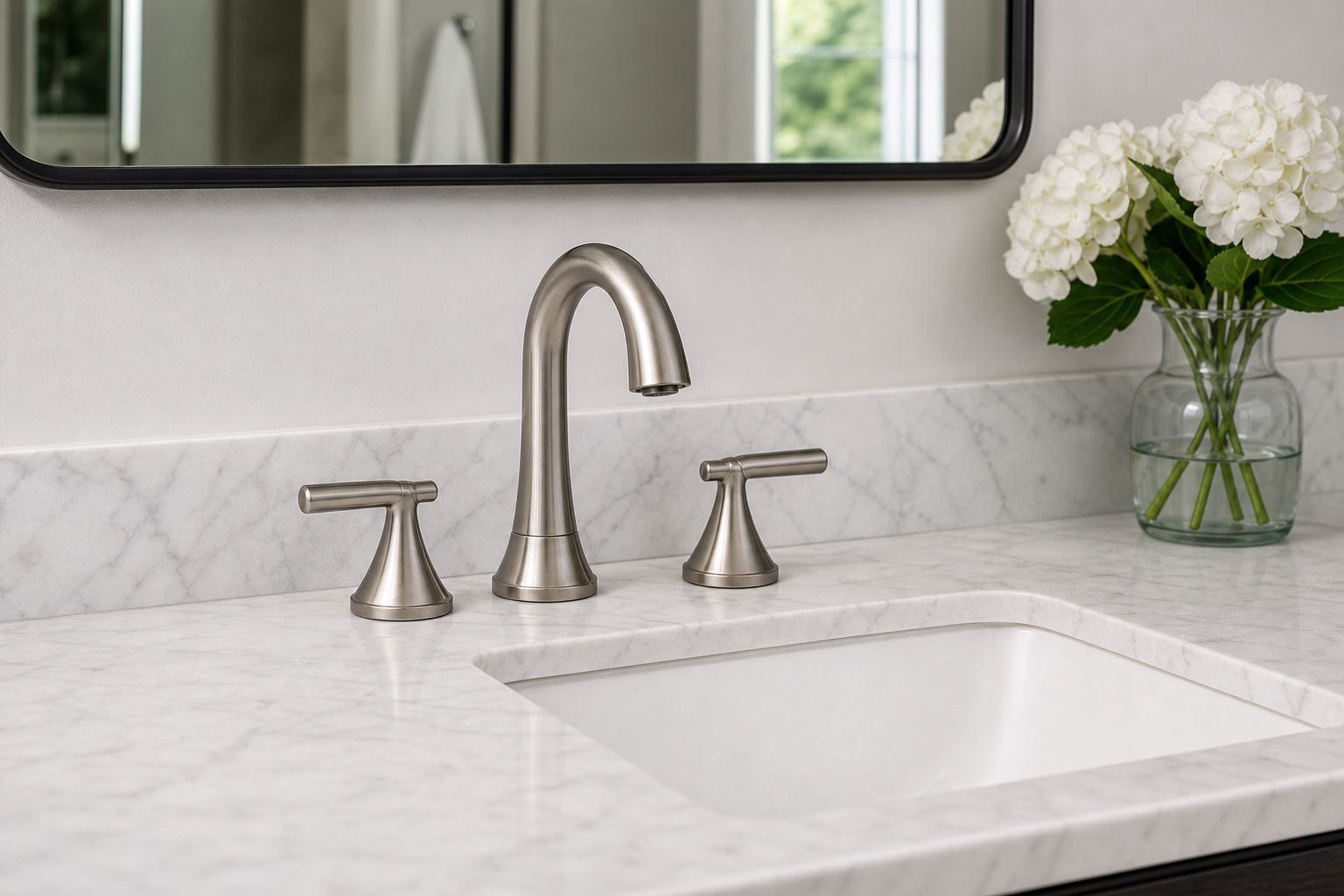
Cross-handle configurations with rounded profiles, gently tapered spouts, and understated detailing exemplify this category. Such fixtures provide visual warmth without baroque excess, supporting color palettes ranging from crisp whites to earthy neutrals. This adaptability makes transitional styles particularly appealing for investment properties or homes undergoing phased renovations.
Traditional Elegance and Historical Reference
Traditional bathroom fixtures draw inspiration from specific historical periods—Victorian opulence, Edwardian refinement, or Colonial simplicity. Ornamental details like cross handles, porcelain medallions, decorative escutcheons, and visible fasteners reference craftsmanship conventions from pre-industrial eras. These designs celebrate complexity and artisanal skill.
Oil-rubbed bronze, polished brass, and antique copper finishes predominate here, often featuring deliberate patination that suggests heritage and permanence. When executed with premium materials, these fixtures transcend nostalgic pastiche to become genuine investments in enduring design. The substantial heft of solid-brass construction particularly suits this category, where visual and tactile weightiness reinforces quality perception.
Industrial Aesthetic and Material Honesty
Industrial-style fixtures embrace utilitarian origins, exposing functional components and celebrating raw materiality. Visible pipe work, valve wheels reminiscent of vintage plumbing, cage-style showerheads, and deliberately unfinished appearances define this category. The aesthetic communicates authenticity and unpretentiousness.
Despite their rough-hewn appearance, premium industrial fixtures still demand sophisticated engineering. The exposed components must function flawlessly while maintaining their deliberately rugged visual language. Finishes like matte black, unpolished brass, or weathered steel complement exposed brick, concrete surfaces, and reclaimed wood elements common in loft conversions and urban renovations.
Strategic Considerations When Matching Fixtures to Design Vision
Stylistic coherence extends beyond selecting fixtures from a single aesthetic category. Achieving true design integration requires attention to proportional relationships, finish consistency, and functional alignment with spatial realities.
Proportional Harmony Within Spatial Constraints
Fixture scale dramatically impacts visual balance. Powder rooms measuring under forty square feet cannot accommodate the same commanding faucet profiles that anchor expansive primary bathrooms. Conversely, diminutive fixtures disappear against generous vanity expanses, creating visual disconnection.
Spout reach and height require particular scrutiny. A high-arc faucet accommodates vessel sinks and provides clearance for hand-washing, but overwhelms standard undermount installations. Basin dimensions, countertop depth, and backsplash configurations all influence appropriate fixture proportions. Technical specifications—measurements typically provided down to the millimeter for quality fixtures—eliminate guesswork and prevent costly mismatches.
Finish Consistency Across the Fixture Ecosystem
Once you establish a primary finish, maintaining consistency across all fixtures creates visual cohesion. Mixing finishes can introduce intentional contrast, but requires confident execution to avoid appearing haphazard. A three-fixture maximum typically prevents visual cacophony while allowing strategic highlighting.
Consider that even within a single finish category—brushed nickel, for instance—variations exist between manufacturers. Undertones shift from warm gold-tinged nickel to cool blue-gray interpretations. Securing all fixtures from a single source ensures true finish coordination, eliminating subtle discrepancies that disrupt visual unity.
Living finishes like unlacquered brass or copper evolve through oxidation, developing unique patinas over time. These dynamic surfaces suit traditional and industrial aesthetics particularly well, though they require acceptance of ongoing transformation rather than static perfection. Clear technical documentation about finish characteristics helps set appropriate expectations.
Functional Requirements and Installation Specifications
Aesthetic preferences must reconcile with practical plumbing configurations. Existing rough-in dimensions, valve placements, and supply line locations constrain options unless comprehensive renovation budgets permit reconfiguration. Wall-mount faucets create dramatic visual impact but demand precise behind-wall plumbing that complicates retrofits.
Water pressure and flow rate also influence fixture selection. Some rainfall showerheads and body sprays require minimum pressure thresholds to function optimally. Aerators and flow restrictors balance water conservation with performance, though specifications vary significantly across products. Detailed technical sheets clarify these requirements, preventing post-installation disappointment.
Curating Fixture Collections for Specific Design Scenarios
Translating general style knowledge into concrete selections becomes clearer when examining specific design scenarios. Each context presents unique opportunities and constraints that guide appropriate fixture choices.
The Serene Spa Retreat
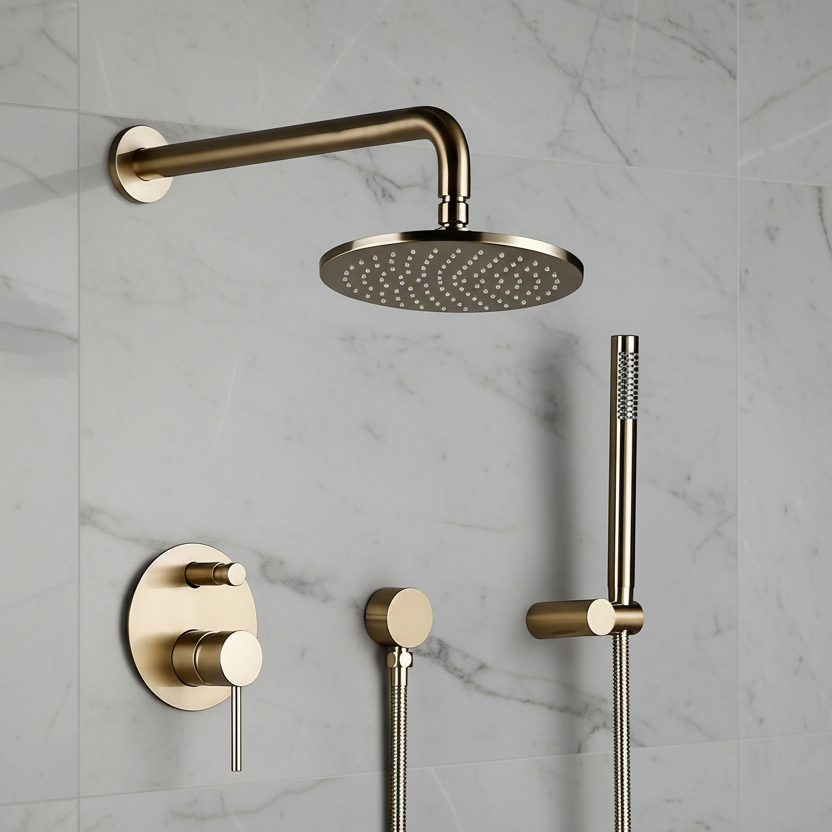
Spa-inspired bathrooms prioritize tranquility and sensory indulgence. Fixture selections should reinforce these qualities through organic forms, tactile finishes, and integrated rainfall delivery systems. Brushed gold or warm bronze tones introduce subtle luxury without ostentation, while matte finishes reduce glare and maintain understated elegance.
Thermostatic shower valves ensure temperature consistency, eliminating the jarring disruptions caused by pressure fluctuations. Integrated diverter systems allow seamless transitions between multiple shower functions—rainfall heads, handheld wands, and body jets—creating customized bathing experiences. The technical sophistication underlying these systems demands precision manufacturing; solid-brass valve bodies ensure reliable long-term operation without degradation or leakage.
The Heritage Restoration
Period homes require fixtures that honor architectural provenance while incorporating modern performance standards. Victorian residences pair naturally with cross-handle bridge faucets featuring porcelain detailing and oil-rubbed bronze finishes. Exposed pipe configurations and vintage-style handheld showers maintain historical authenticity.
Contemporary comfort expectations need not disappear. Modern cartridge technology hidden within traditional housings delivers smooth operation and drip-free performance unknown to original Victorian plumbing. Ceramic disc valves eliminate the deterioration inherent in compression fittings, extending service life while maintaining period-appropriate appearance. This synthesis of historical aesthetics and contemporary engineering defines successful heritage design.
The Urban Contemporary Loft
Open-concept loft bathrooms demand fixtures that function as sculptural statements. Wall-mount faucets with extended horizontal spouts create floating visual effects, particularly dramatic when paired with vessel sinks or trough-style basins. Matte black finishes provide striking contrast against white subway tiles or polished concrete surfaces.
Industrial-style exposed thermostatic columns integrate shower controls, diverters, and delivery systems into singular vertical installations. These assemblies showcase technical components as design features rather than concealed necessities. Despite their exhibition of mechanical elements, premium versions maintain refined detailing—precision-machined valve wheels, balanced proportions, and flawless finish application that elevates industrial aesthetic beyond mere utilitarianism.
Understanding Technical Specifications That Impact Longevity
Style selection represents only half the equation. The internal composition and construction methodology determine whether your fixtures maintain their aesthetic promise across years of daily service.
Material Composition and Corrosion Resistance
Solid-brass bodies offer superior corrosion resistance compared to zinc alloy or plastic alternatives often hidden beneath identical surface finishes. Brass's natural antimicrobial properties provide secondary benefits in bathroom environments. Wall thickness, measured in gauge, indicates structural integrity—thicker walls better withstand water pressure fluctuations and impact without deformation.
Internal components warrant equal scrutiny. Ceramic disc cartridges outlast rubber washers by substantial margins, maintaining drip-free performance through hundreds of thousands of operation cycles. Stainless steel or brass internal waterways prevent mineral deposit accumulation better than coated alternatives, maintaining flow rates and preventing premature failure.
Finish Application Techniques and Durability
Physical vapor deposition (PVD) finishes bond at molecular levels, creating surfaces resistant to scratching, tarnishing, and corrosion. This technology far exceeds electroplating in durability, though visual differences remain imperceptible. PVD-treated fixtures maintain their appearance through decades of cleaning with standard bathroom products, whereas lesser finishes deteriorate under chemical exposure.
Understanding finish warranties provides insight into manufacturer confidence. Lifetime finish guarantees signal robust application processes, while limited-term warranties suggest potential degradation. Transparent documentation of finish specifications and warranty terms demonstrates manufacturer commitment to long-term performance.
Installation Considerations That Preserve Design Integrity
Even premium fixtures fail to deliver intended results when improperly installed. Understanding installation requirements during the selection phase prevents disappointment and ensures your design vision translates accurately to completed reality.
Professional Installation Versus DIY Approaches
Complex systems—thermostatic valves, multi-function shower panels, and wall-mount configurations—typically require professional installation. Precise rough-in dimensions, proper sealing protocols, and pressure testing ensure leak-free operation and warranty compliance. Many manufacturers void warranties when non-certified installers perform the work, making professional services a practical insurance policy.
Straightforward deck-mount faucets and handheld shower replacements often accommodate competent DIY installation. Detailed instructions, clearly labeled components, and standardized connection interfaces facilitate successful installation. Even here, however, technical specifications prove invaluable—thread sizes, supply line requirements, and clearance dimensions prevent mid-installation surprises.
Maintenance Protocols That Extend Service Life
Post-installation care significantly impacts longevity. Non-abrasive cleaners preserve finish integrity, while acidic or chlorine-based products cause premature degradation even on robust finishes. Periodic aerator cleaning prevents mineral buildup that reduces flow and creates uneven spray patterns.
Hard water environments benefit from water softening systems that reduce scale accumulation on fixtures and within supply lines. Where whole-house softening proves impractical, point-of-use filters at bathroom supply lines provide localized protection. These measures preserve both aesthetic appearance and mechanical function, protecting your fixture investment.
| Design Style | Characteristic Features | Ideal Finishes | Best Applications |
|---|---|---|---|
| Contemporary | Angular profiles, minimal detailing, geometric precision | Matte black, brushed nickel, polished chrome | Modern homes, minimalist renovations |
| Transitional | Balanced curves, moderate detailing, versatile proportions | Brushed nickel, satin brass, chrome | Evolving spaces, investment properties |
| Traditional | Ornate detailing, cross handles, historical references | Oil-rubbed bronze, polished brass, antique copper | Period homes, classic renovations |
| Industrial | Exposed components, utilitarian forms, material honesty | Matte black, weathered steel, unfinished brass | Loft conversions, urban aesthetics |
Balancing Budget Realities With Quality Imperatives
Fixture selection inevitably confronts budget constraints. Understanding where to prioritize expenditure and where acceptable compromises exist prevents both overspending and false economy.
Investment Prioritization Strategies
Primary bathroom fixtures merit premium investment given their daily usage frequency and prominent visual positioning. Guest bathroom fixtures accommodate more moderate selections without compromising overall home quality. This tiered approach allocates resources where they deliver maximum impact and longevity benefits.
Shower systems and tub fillers typically represent larger expenditures than lavatory faucets due to increased complexity and component counts. Prioritizing solid-brass construction and ceramic disc valve technology in these high-use applications prevents premature replacement costs that ultimately exceed initial savings from budget alternatives.
Total Cost of Ownership Calculations
Initial purchase price represents only one component of true ownership costs. Installation complexity, maintenance requirements, expected service life, and replacement frequency all factor into comprehensive cost analysis. A premium fixture with a twenty-year service life and minimal maintenance proves more economical than a budget alternative requiring replacement every five years despite its lower entry price.
Warranty coverage and return policies provide additional value dimensions. Comprehensive warranties signal manufacturer confidence while protecting purchasers against defects. Straightforward return policies reduce purchase risk, particularly important when coordinating finishes across multiple fixtures or matching existing installations. These factors collectively define true value beyond simple price comparison.
Frequently Overlooked Elements That Complete the Design
Fixture selection extends beyond faucets and showerheads. Coordinating accessories and supplementary fixtures unify the design narrative and enhance functional completeness.
Towel Bars, Robe Hooks, and Paper Holders
These utilitarian elements often receive afterthought attention, yet inconsistent finishes or conflicting styles disrupt visual cohesion. Sourcing accessories matching primary fixture finishes creates seamless integration. Mounting heights, spacing intervals, and proportional sizing relative to wall expanses deserve deliberate consideration rather than arbitrary placement.
Quality disparities prove as significant in accessories as primary fixtures. Solid-brass construction prevents the wobbling and loosening common with hollow zinc alternatives. Concealed mounting hardware and precision machining details distinguish premium accessories, justifying their cost through superior longevity and refined appearance.
Bidet Sprayers and Hygienic Fixtures
Growing interest in bidet functionality introduces additional coordination requirements. Handheld bidet sprayers should match faucet finishes and stylistic language, maintaining design continuity. Wall-mount versus deck-mount configurations require planning during renovation phases to ensure proper supply line and mounting provisions.
Temperature control options range from ambient water temperature to thermostatic mixing valves that blend hot and cold supplies. Usage patterns and personal preferences drive these selections, though technical feasibility depends on existing plumbing configurations and available mounting locations.
Navigating the Selection Process With Confidence
Translating design aspirations into concrete fixture selections becomes manageable through systematic evaluation and informed decision-making processes.
Creating Comprehensive Fixture Schedules
Documenting each required fixture—lavatory faucets, shower systems, tub fillers, accessories—with specific finish and style requirements creates clarity and prevents overlooked items.Dimensional requirements, mounting specifications, and rough-in measurements should accompany each entry, facilitating coordination with contractors and plumbers during installation phases.
Fixture schedules prove particularly valuable when coordinating multiple bathrooms or phased renovation timelines. They ensure consistency across spaces while tracking budget allocations and preventing redundant purchases. Digital or physical mood boards complement written schedules, providing visual reference that confirms stylistic coherence before finalizing purchases.
Leveraging Detailed Product Specifications
Thorough technical documentation separates professional-grade fixtures from consumer-oriented alternatives. Specifications should detail material composition, cartridge type, flow rates, pressure requirements, warranty terms, and finish application methods. This transparency enables informed comparisons and sets realistic performance expectations.
Installation diagrams, clearance requirements, and supply line specifications prevent compatibility issues. When renovating existing spaces, comparing new fixture rough-in dimensions against current plumbing configurations identifies necessary adjustments before demolition commences. This foresight prevents mid-project delays and budget overruns stemming from unforeseen complications.
The Value of Expedited Shipping and Flexible Returns
Renovation timelines compress when fixtures arrive promptly, preventing contractor downtime and associated costs. Free expedited shipping accelerates project completion while eliminating shipping fees that accumulate across multiple fixture orders. This logistical efficiency proves particularly valuable when coordinating trades dependent on fixture installation before proceeding with subsequent phases.
Thirty-day return policies accommodate the inevitable discrepancies between digital representations and physical products. Finish variations, scale misperceptions, or unforeseen installation complications occasionally necessitate exchanges. Straightforward return processes minimize disruption, allowing alternative selections without penalty or protracted negotiations.
How Do I Coordinate Fixtures Across Multiple Bathrooms?
Homes featuring multiple bathrooms present coordination challenges balanced against desires for individual space character. Establishing a primary fixture family—a consistent finish and general style category—provides cohesive thread while permitting secondary variations.
Primary bathrooms might feature the most elaborate expressions of your chosen style, incorporating complex shower systems and statement faucets. Secondary bathrooms adopt simplified versions within the same aesthetic family, maintaining visual relationship without redundant expense. Guest powder rooms offer opportunities for subtle departure—perhaps introducing complementary finishes or transitional styles that bridge to adjacent living spaces.
This hierarchical approach satisfies both unity and variety, preventing monotonous repetition while avoiding jarring stylistic conflicts. The strategy proves particularly effective in open-concept homes where bathrooms visible from common areas demand stronger coordination than secluded spaces.
Can I Mix Fixture Styles Successfully?
Intentional style mixing requires sophisticated design sensibility but can yield dynamic, personalized results. The practice succeeds when guided by clear organizing principles rather than arbitrary eclecticism. Consistent finish application across mixed styles provides unifying thread, as does maintaining similar visual weight and proportional scales.
A contemporary space might incorporate industrial lighting fixtures above a minimalist vanity, the shared material honesty and restrained ornamentation creating dialogue despite stylistic differences. Traditional spaces occasionally benefit from contemporary accessories that provide fresh contrast without overwhelming period character. These integrations demand restraint—a single contrasting element commands attention, while multiple conflicting styles create confusion.
Color palette consistency assists mixed-style integration. Fixtures sharing similar metal tones—warm brass families or cool nickel groups—coordinate more readily than mixing color temperatures. Textural variety within tonal consistency adds depth without discord.
What Role Does Lighting Play in Fixture Presentation?
Lighting profoundly affects fixture perception, influencing apparent finish color, revealing or obscuring details, and modulating spatial atmosphere. Warm LED lighting enhances brass, bronze, and gold finishes, amplifying their inherent richness. Cool color temperatures complement chrome, nickel, and matte black, reinforcing contemporary aesthetics.
Task lighting at vanity locations requires particular attention to color rendering index (CRI). High-CRI sources accurately represent finish colors, preventing the distortions common with low-quality LEDs that shift color perception. This accuracy proves essential when coordinating finishes across fixtures or matching existing installations.
Accent lighting can transform fixtures into focal points. Strategically positioned spotlights graze ornate traditional faucets, revealing dimensional detailing. Backlit mirrors create ambient glow that softens contemporary fixtures while providing functional illumination. These lighting strategies elevate fixtures from purely utilitarian objects to intentional design elements.
Final Considerations for Long-Term Satisfaction
Fixture selection represents significant investment in both financial and design terms. Decisions made today influence daily experiences and home value for years or decades ahead. Approaching the process with thoroughness, informed by technical knowledge and design principles, ensures outcomes that satisfy immediately and endure gracefully.
Anticipating Future Needs and Preferences
Design trends evolve, yet timeless selections transcend fleeting fashions. Classic proportions, quality materials, and refined detailing maintain relevance across stylistic cycles. While ultra-contemporary or highly ornate fixtures make bold statements, transitional approaches offer longevity insurance against changing preferences.
Aging-in-place considerations merit attention even in younger households. Lever handles operate more easily than knobs for users with limited hand strength or dexterity. Handheld shower wands provide flexibility for varying abilities. Thermostatic controls prevent scalding incidents. These functional enhancements integrate invisibly within any design style while expanding fixture utility across life stages.
Environmental Considerations and Water Efficiency
Water conservation aligns environmental responsibility with operational economy. Low-flow aerators and showerheads reduce consumption without compromising performance when properly engineered. Flow rates of 1.5 gallons per minute or less satisfy most applications while significantly decreasing water heating costs and environmental impact.
Quality low-flow fixtures employ air-injection technology and precision spray patterns that maintain satisfying water pressure sensation despite reduced volume. Inferior versions simply restrict flow, creating weak, unsatisfying streams that users circumvent by extended operation, negating conservation benefits. Technical specifications detailing aerator technology and flow characteristics identify truly effective efficiency solutions.
Building Relationships With Reliable Suppliers
Establishing connections with knowledgeable fixture specialists provides ongoing value beyond individual transactions. Expert guidance navigates technical questions, resolves compatibility concerns, and identifies optimal solutions for specific applications. Access to comprehensive product lines from single sources simplifies finish coordination and streamlines procurement.
Reliable suppliers prioritize customer satisfaction through quality products, transparent specifications, dependable shipping, and accommodating return policies. These attributes minimize purchase risk and support confident decision-making. The relationship extends beyond initial sales to encompass warranty support, replacement part availability, and guidance for future projects.
Your bathroom fixtures serve dual roles as functional necessities and expressive design elements. Understanding bathroom fixture styles, material quality indicators, technical specifications, and installation requirements empowers selections that honor your aesthetic vision while ensuring lasting performance. The investment in premium solid-brass construction, durable finishes, and thoughtful design coordination pays dividends through decades of reliable service and enduring beauty.
Whether embarking on comprehensive renovations or targeted updates, approaching fixture selection with systematic evaluation and attention to both stylistic and technical dimensions yields bathroom spaces that truly reflect your design aspirations. The synthesis of form, function, material integrity, and professional execution transforms ordinary bathrooms into personalized sanctuaries that enhance daily rituals and home value alike.
Related: Single Handle vs Widespread Bathroom Faucets: How to Choose.