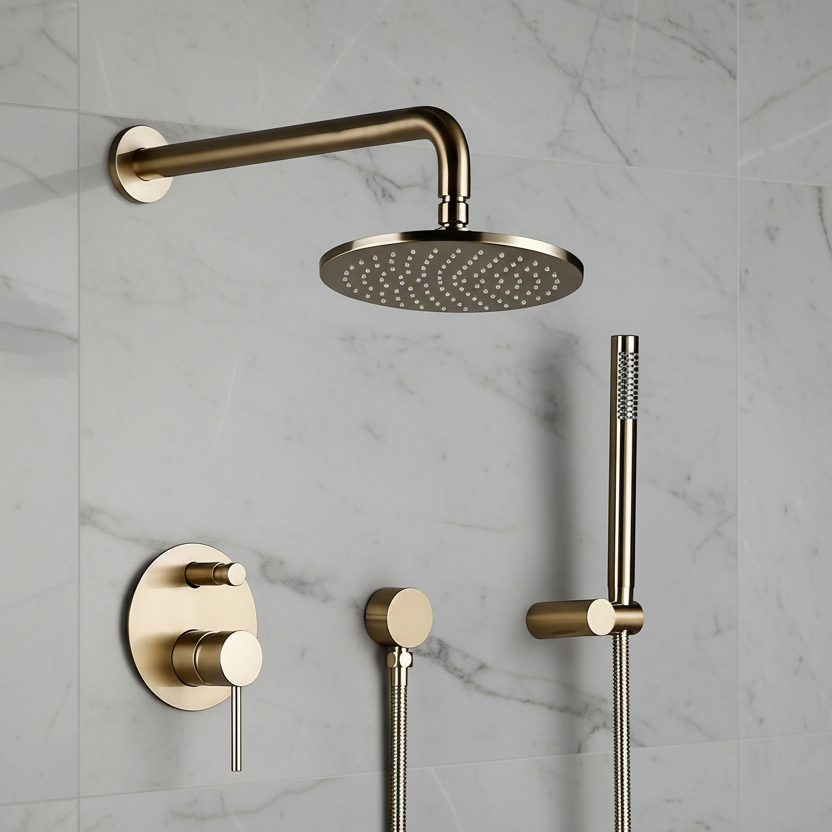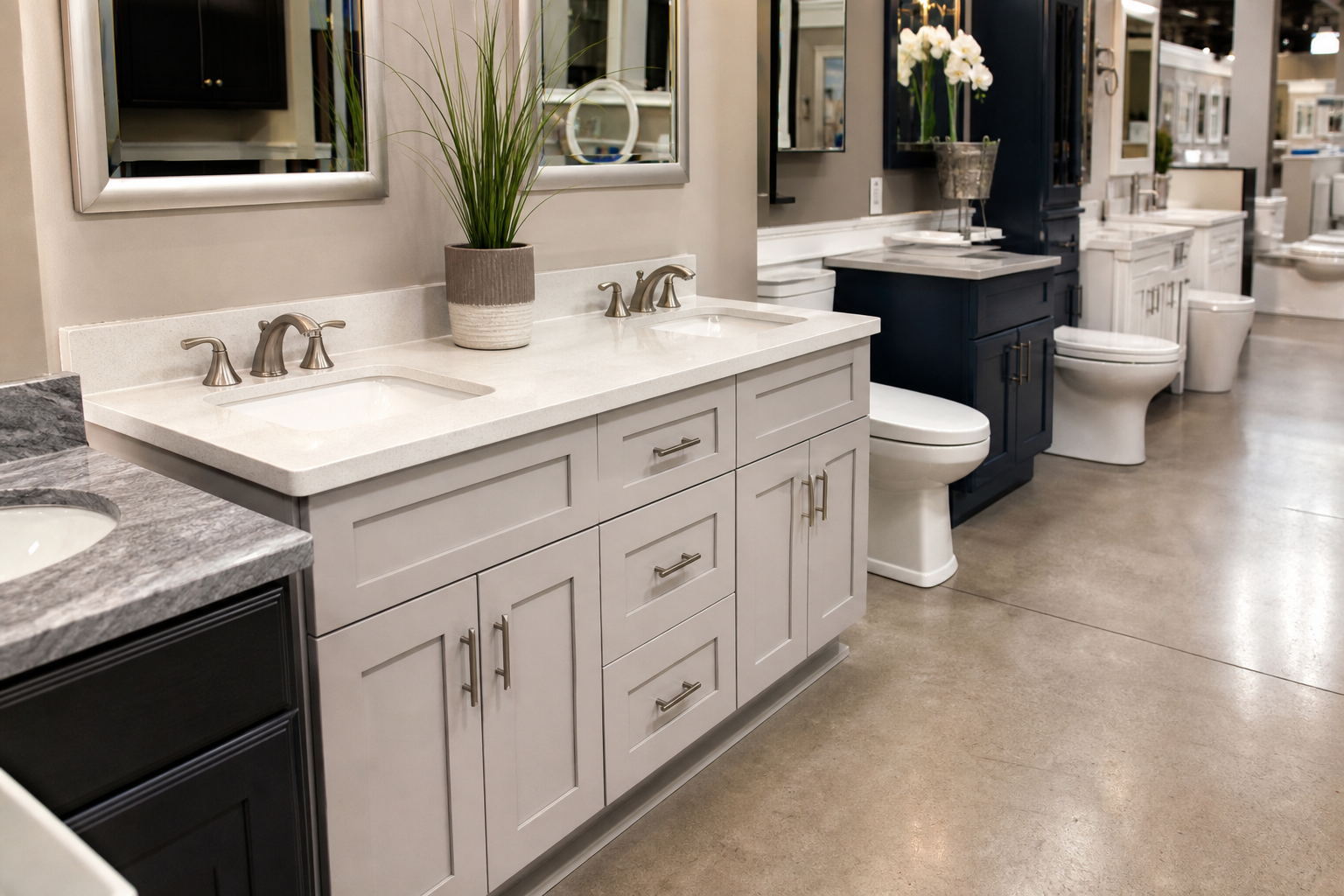
The convergence of premium craftsmanship and strategic pricing creates an extraordinary window for discerning homeowners and design professionals. As 2026 unfolds, the intersection of quality solid-brass construction and seasonal markdown events presents a singular opportunity to elevate residential aesthetics without compromising on durability or design integrity. This comprehensive exploration delves into the nuances of procuring exceptional bathroom and kitchen fixtures during promotional periods, examining material science, installation considerations, and the strategic timing that transforms standard renovations into enduring statements of refined taste.
Understanding the Anatomy of Premium Fixture Construction
Solid-brass fixtures represent the apex of plumbing hardware engineering. Unlike their zinc-alloy or pot-metal counterparts, these components leverage the inherent corrosion resistance and structural stability of copper-zinc amalgams. The molecular density of brass creates a non-porous surface that resists mineralization and patina formation—critical attributes in moisture-laden environments where lesser materials succumb to degradation within abbreviated timescales.
The manufacturing process involves precision casting followed by multi-stage finishing protocols. Chrome plating, PVD coating, or powder-coat applications bond at the molecular level, creating luminous surfaces that withstand daily abrasion while maintaining their original luster. Ceramic disc cartridges—the heart of contemporary faucet valves—provide drip-free operation through hundreds of thousands of actuations, far surpassing compression-style mechanisms in longevity and operational silence.
Material Specifications That Define Longevity
Technical specifications reveal the substantive differences between commercial-grade and residential-quality fixtures. Wall thickness measurements, typically ranging from 2.5mm to 4mm in premium brass bodies, determine structural resilience under hydraulic pressure fluctuations. Thread tolerances machined to ISO standards ensure leak-proof connections that maintain integrity through thermal expansion cycles. These granular details, often overlooked during cursory purchasing decisions, ultimately dictate whether a fixture becomes a maintenance liability or a decade-spanning asset.
The Strategic Advantage of Seasonal Procurement
Seasonal sale events function as calibrated inventory management strategies for specialized retailers. The cyclical nature of construction and renovation activity creates predictable demand patterns, with spring and autumn representing peak installation periods. Manufacturers and distributors leverage inter-seasonal lulls to redistribute inventory, creating pricing structures that benefit end-users without compromising product quality or warranty provisions.
The temporal component of these promotional windows requires strategic awareness. Unlike clearance events that liquidate discontinued SKUs, curated seasonal collections maintain current design languages and manufacturing standards. This distinction proves critical for design professionals coordinating multi-phase projects or homeowners planning staged renovations—the assurance of stylistic continuity across purchase intervals eliminates the risk of aesthetic discontinuity when sourcing complementary fixtures months apart.
Decoding Discount Structures and True Value
Percentage reductions merit scrutiny beyond surface-level appeal. A thirty-percent markdown on a fixture with inflated baseline pricing offers less substantive value than a fifteen-percent reduction from transparent, market-competitive rates. Comparative analysis should incorporate total cost of ownership: shipping methodologies, return policy frameworks, and warranty durations that extend beyond statutory minimums. Expedited shipping without surcharges and extended return windows signal retailer confidence in product quality—intangible value propositions that transcend immediate price considerations.
Navigating Finish Options for Cohesive Design Narratives
Contemporary fixture finishes extend far beyond traditional chrome dichotomies. Matte black formulations utilizing PVD technology deliver fingerprint-resistant surfaces with exceptional scratch tolerance. Brushed nickel treatments provide soft reflectivity that complements both transitional and contemporary design schemas. Bronze oil-rubbed finishes—whether authentic living patinas or stabilized coatings—inject warmth into spaces dominated by cool stone or tile palettes.
The selection process demands consideration of ambient lighting conditions and material adjacencies. Polished finishes amplify natural light in compact powder rooms, while matte treatments absorb illumination to create visual weight in expansive master suites. Coordinating fixture finishes with cabinet hardware, lighting pendants, and door furnishings establishes design cohesion that elevates individual components into unified spatial experiences.
Emerging Finish Technologies and Durability Metrics
Physical Vapor Deposition represents the vanguard of surface treatment methodologies. This vacuum-chamber process deposits metallic particles at the atomic level, creating finishes that resist tarnishing, scratching, and chemical erosion with unprecedented efficacy. Compared to electroplating—which bonds molecules through electrical current—PVD coatings demonstrate superior adhesion and uniform coverage across complex geometries. The initial cost premium for these advanced finishes dissipates across multi-year service lives, particularly in high-traffic household environments where conventional finishes exhibit premature wear patterns.
Installation Considerations for DIY and Professional Contexts
The installation paradigm for premium fixtures bifurcates along complexity gradients. Single-hole lavatory faucets with flexible supply lines enable competent DIY execution with standard basin wrenches and adjustable pliers. Conversely, thermostatic shower systems with multi-outlet configurations demand professional expertise—mixing valve calibration, pressure-balancing verification, and code-compliant waterproofing exceed typical homeowner capabilities.
Professional contractors emphasize the importance of verifying rough-in dimensions before finalizing fixture selections. A shower system designed for 8-inch center-to-center valve spacing cannot retrofit into a 6-inch configuration without extensive tile demolition and plumbing rerouting.
Pre-installation preparation proves equally consequential. Flushing supply lines to evacuate construction debris, applying appropriate thread sealants versus plumber's tape based on connection types, and verifying water pressure compatibility with fixture specifications prevent post-installation complications. These preparatory protocols, though time-intensive, safeguard both fixture integrity and warranty coverage.
Compatibility Assessment with Existing Infrastructure
Legacy plumbing systems occasionally present compatibility challenges with contemporary fixture designs. Galvanized steel supply lines may exhibit internal corrosion that restricts flow rates below manufacturer specifications. Water pressure variability—whether municipal supply fluctuations or well-pump inconsistencies—affects thermostatic valve performance and spray pattern consistency in multi-function shower heads. Pre-purchase infrastructure assessment prevents the disappointment of acquiring premium fixtures that underperform due to systemic limitations rather than product deficiencies.
Functional Innovation Beyond Aesthetic Appeal
Contemporary fixtures integrate technological sophistication that transcends decorative function. Touchless activation systems employing infrared proximity sensors reduce pathogen transmission while conserving water through automated shutoff protocols. Temperature-limiting devices prevent scalding incidents—particularly crucial in households with elderly residents or young children. Flow restrictors calibrated to 1.5 gallons per minute satisfy regulatory requirements while maintaining subjective performance through aerator engineering that optimizes spray geometry.
Bidet sprayers exemplify the convergence of hygiene innovation and sustainable practice. These fixtures reduce reliance on disposable paper products while offering superior cleansing efficacy. Installation versatility—from dedicated bidet fixtures to integrated toilet-seat systems to handheld sprayer retrofits—accommodates varied spatial constraints and budget parameters. The gradual normalization of bidet functionality in North American markets reflects evolving wellness priorities and environmental consciousness.
Lighting Fixtures as Functional Sculpture
Bathroom and kitchen lighting transcends mere illumination—properly specified fixtures function as sculptural elements that define spatial character. Vanity sconces with opal glass diffusers eliminate facial shadowing during grooming tasks while contributing ambient warmth. Pendant lights suspended over kitchen islands establish visual hierarchy, delineating functional zones within open-concept layouts. Recessed lighting with adjustable trim rings provides accent illumination for architectural features or artwork without visual clutter.
| Lighting Type | Optimal Application | Color Temperature |
|---|---|---|
| Vanity Sconces | Mirror-adjacent task lighting | 3000K-3500K |
| Pendant Fixtures | Island/peninsula focal points | 2700K-3000K |
| Recessed Cans | General ambient illumination | 3500K-4000K |
Color temperature selection influences perceived spatial warmth and material authenticity. Lower Kelvin values (2700K-3000K) emit yellowish light that flatters skin tones and enhances warm wood finishes. Higher temperatures (4000K+) produce crisp, bluish illumination suited to contemporary aesthetics with abundant white surfaces and metallic accents. Coordinating fixture finish with lighting color temperature ensures cohesive visual narratives that feel intentional rather than haphazard.
The Economics of Quality: Long-Term Value Propositions
Initial acquisition costs represent merely one component of total ownership economics. Premium fixtures amortize their cost premium across extended service lives—a solid-brass faucet with ceramic cartridge technology may function flawlessly for fifteen years, while a budget alternative requires replacement within thirty-six months. The cumulative expense of multiple replacements, including labor for repeated installations and the inconvenience of recurring failures, substantially exceeds the initial investment in superior components.
Energy efficiency considerations further influence lifetime cost calculations. WaterSense-certified fixtures reduce hot water consumption, lowering energy expenditures for water heating. LED-compatible lighting fixtures eliminate the recurring expense and environmental impact of frequent bulb replacements. These operational efficiencies compound over time, transforming premium fixtures from luxury purchases into pragmatic financial decisions.
Warranty Coverage as Quality Indicator
Warranty durations and coverage scopes provide transparent signals regarding manufacturer confidence. Lifetime limited warranties on brass bodies and finish integrity indicate engineering certainty and material quality. Conversely, abbreviated warranty periods or extensive exclusionary clauses suggest anticipated failure modes and defensive legal positioning. The availability of replacement parts beyond standard warranty periods enables long-term serviceability—a critical consideration for fixtures integrated into custom cabinetry or tile installations where replacement necessitates extensive demolition.
Strategic Timing for Maximum Value Realization
The "bathroom and kitchen fixtures sale 2026" search query reflects consumer awareness of cyclical pricing patterns and strategic procurement timing. Late winter and mid-summer traditionally represent optimal purchasing windows, aligning with post-holiday inventory adjustments and pre-autumn construction season preparations. These temporal patterns vary by retailer and market segment, rewarding consumers who monitor pricing trends and establish notification alerts for desired products.
Project phasing strategies allow homeowners to capitalize on multiple sale cycles without compromising design cohesion. Purchasing all fixtures from a consistent collection during a single promotional event ensures finish matching and stylistic continuity. For multi-phase renovations spanning several months, confirming SKU availability and discontinuation timelines prevents the frustration of discovering preferred fixtures no longer obtainable when subsequent renovation stages commence.
Risk Mitigation Through Transparent Return Policies
The tactile and spatial dimensions of fixtures resist complete digital representation. Finish textures, valve operation feel, and proportional relationships to surrounding fixtures require physical assessment. Generous return policies—particularly those extending to thirty days and covering return shipping—enable confident online procurement with fallback options should in-situ evaluation reveal aesthetic or functional misalignment.
Documentation requirements for returns merit advance clarification. Some retailers mandate original packaging preservation, while others accept returns in alternate containers. Understanding restocking fees, return authorization protocols, and refund timelines prevents unexpected complications. These procedural details, though mundane, substantially impact the practical risk profile of remote fixture procurement.
Frequently Contemplated Considerations
How do I verify authentic brass construction versus plated alternatives?
Magnetic testing provides immediate verification—brass demonstrates non-magnetic properties, while steel or iron cores beneath plating exhibit magnetic attraction. Weight comparison also proves instructive, as solid brass fixtures possess substantially greater mass than hollow zinc-alloy alternatives of comparable dimensions.
What installation clearances do widespread faucets require?
Standard widespread configurations demand 8-inch center-to-center spacing between valve and spout rough-ins, though adjustable models accommodate 6-inch to 16-inch spreads. Verifying existing hole configurations or template specifications before purchase prevents costly returns or installation complications.
Can I mix fixture finishes within a single space?
Intentional finish mixing creates visual interest when executed with deliberate coordination. Pairing warm tones (bronze, brass) with cool metallics (chrome, nickel) typically requires a unifying third element—cabinetry hardware or lighting fixtures—that bridges the temperature disparity. Monochromatic approaches eliminate coordination complexity while ensuring timeless appeal.
What maintenance protocols preserve fixture finishes?
Gentle pH-neutral cleansers and microfiber cloths maintain finish integrity without abrasive damage. Avoiding ammonia-based products, acidic cleaners, and scouring pads prevents chemical etching and surface scratching. Periodic application of carnauba wax to matte finishes enhances water beading and simplifies routine cleaning.
The Convergence of Quality and Opportunity
Seasonal promotional events democratize access to premium fixtures that might otherwise exceed budget parameters. The confluence of solid-brass construction, advanced finish technologies, and comprehensive warranty coverage with strategic pricing creates value propositions that transcend mere cost savings. For homeowners embarking on renovation journeys and design professionals specifying fixtures across multiple projects, these temporal opportunities facilitate the realization of uncompromising visions without financial compromise.
The disciplines of material science, hydraulic engineering, and aesthetic design coalesce in premium bathroom and kitchen fixtures. Understanding the technical underpinnings that distinguish superior products from superficially similar alternatives empowers informed decision-making. When combined with strategic procurement timing and retailer partnerships that prioritize transparency, expedited fulfillment, and customer-centric policies, the result transforms functional necessities into enduring design statements that elevate daily rituals into experiences of refined comfort and aesthetic satisfaction.
- Solid-brass construction ensures corrosion resistance and structural longevity
- Advanced PVD finishes provide superior durability compared to electroplating
- Seasonal sales offer genuine value without compromising quality standards
- Comprehensive warranties signal manufacturer confidence and material quality
- Strategic timing and generous return policies minimize procurement risk
The bathroom and kitchen fixtures landscape in 2026 presents unprecedented opportunities for those who recognize quality indicators and leverage promotional cycles strategically. Whether undertaking modest refreshes or comprehensive renovations, the principles of material integrity, functional innovation, and aesthetic cohesion remain paramount. Seasonal sales simply make excellence accessible.