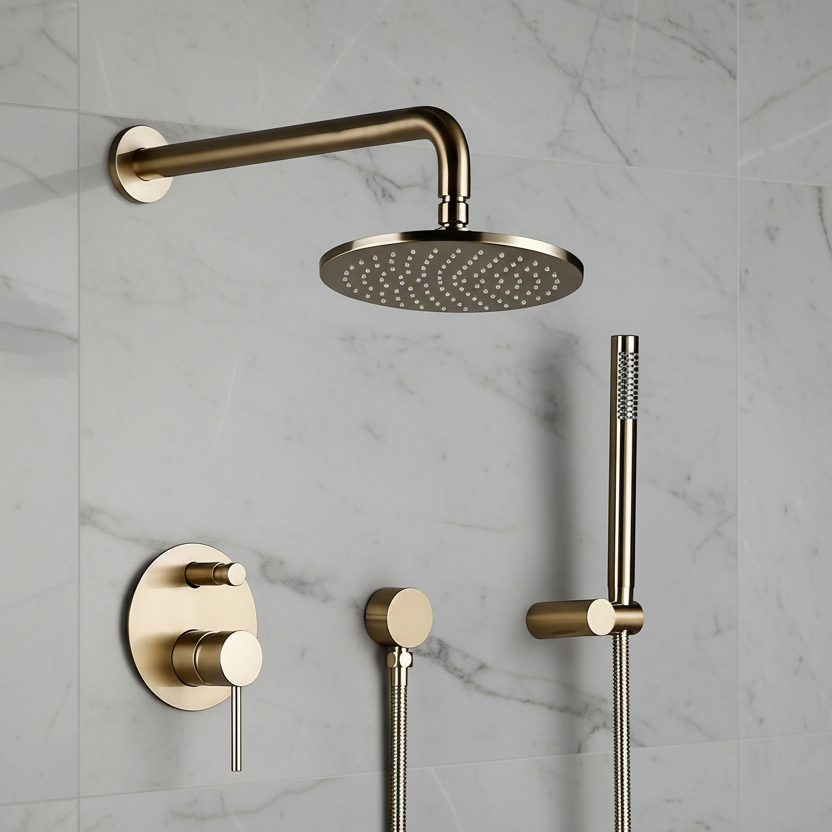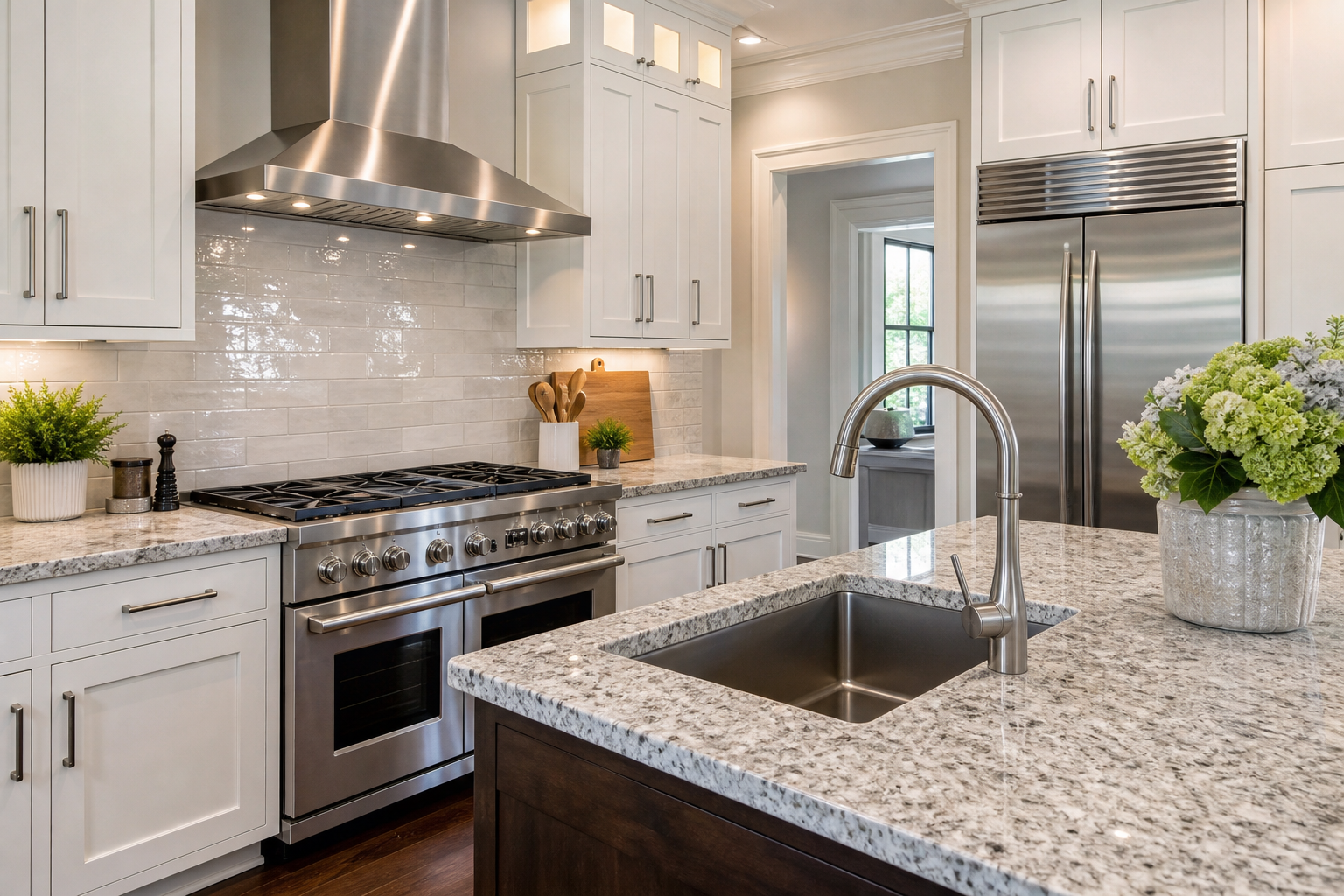
The modern kitchen has evolved far beyond its utilitarian origins, transforming into a sophisticated convergence of culinary function and architectural expression. At the heart of this metamorphosis lie the fixtures—those often-overlooked elements that orchestrate both the practical choreography of meal preparation and the visual narrative of your domestic landscape. When thoughtfully selected, contemporary kitchen fixtures become the punctuation marks that define your space, elevating quotidian tasks into moments of tactile satisfaction.
Understanding the intricate relationship between materiality, ergonomics, and aesthetic coherence empowers you to make decisions that resonate for decades rather than mere seasons. This comprehensive exploration illuminates the pathways toward curating a culinary workspace that harmonizes durability with design intelligence.
The Foundational Role of Material Selection
Material provenance determines not merely the longevity of your kitchen fixtures but also their performance under the rigorous demands of daily culinary operations. Solid brass construction represents the apex of fixture manufacturing, offering a density and corrosion resistance that transcends the capabilities of zinc alloys or plated alternatives. The molecular structure of brass creates an inherent antimicrobial surface—a characteristic validated by multiple scientific studies—making it exceptionally suitable for environments where hygiene remains paramount.
Unlike hollow-core alternatives that succumb to internal oxidation, solid brass maintains structural integrity even when exposed to the chemical variations in municipal water supplies. The weight differential alone provides a tactile indicator of quality; a substantial heft signals the presence of genuine brass rather than lightweight substitutes. This materiality translates directly into operational smoothness, as precision-machined brass components facilitate cartridge movements that remain fluid across thousands of cycles.
Finishes applied to brass substrates exhibit superior adhesion compared to those layered onto lesser metals. Physical vapor deposition processes create molecular bonds that resist the abrasive forces of daily cleaning regimens, maintaining chromatic consistency long after surface-treated alternatives have degraded. For those pursuing design longevity, the investment in solid brass architecture pays compounding dividends.
Faucet Configurations That Enhance Workflow Efficiency
The central fixture in any culinary workspace remains the primary faucet—a tool engaged countless times throughout each day. Contemporary designs have moved beyond the simple binary of hot and cold delivery to incorporate articulated spray patterns, temperature memory functions, and reach parameters calibrated to accommodate oversized cookware.
Pull-Down Versus Pull-Out Mechanisms
The distinction between pull-down and pull-out faucet configurations extends beyond mere aesthetic preference. Pull-down models feature a high-arc spout with a spray wand that descends vertically, offering superior clearance for filling tall vessels. The elevated trajectory also creates visual prominence, making these fixtures ideal for kitchens where the faucet serves as a design focal point.
Pull-out alternatives provide a more horizontal extraction, positioning the spray head closer to the sink basin. This configuration excels in scenarios where overhead cabinetry constrains vertical clearance or when users prefer a lower-profile silhouette. The functional differences manifest most clearly when washing bulky items—pull-down designs deliver greater maneuverability around large stockpots, while pull-out versions offer more precise control for detailed tasks.
Spray Pattern Versatility
Modern faucet engineering incorporates multiple spray modalities accessible through intuitive toggle mechanisms. Aerated stream modes conserve water while maintaining pressure perception, ideal for filling containers or general washing. Concentrated spray patterns generate focused hydraulic force for dislodging stubborn food residues without excessive water consumption.
Some advanced systems integrate pause functions directly into the spray head, allowing momentary flow cessation without returning to the handle controls—a seemingly minor feature that dramatically enhances operational efficiency during multi-step preparation sequences. Evaluating your specific culinary patterns helps identify which spray configurations will actually enhance your workflow rather than simply adding unused complexity.
Sink Accessories That Multiply Functionality
The ecosystem surrounding your primary faucet offers opportunities to augment capability without compromising countertop real estate. Ancillary fixtures transform standard sink configurations into multifunctional workstations.
Pot fillers mounted above cooking surfaces eliminate the cumbersome transport of water-laden vessels across your kitchen. These articulated fixtures deliver high-volume flow directly where needed, reducing both physical strain and spillage risk. Installation requires dedicated plumbing runs, making them ideal considerations during renovation phases rather than aftermarket additions.
Bidet sprayers adapted for kitchen applications provide targeted rinsing capabilities that conventional faucets cannot match. Originally designed for personal hygiene, these handheld units excel at cleaning produce, rinsing sink basins, or even washing pets. The concentrated spray pattern delivers hydraulic precision without the water waste associated with running full faucet flow for minor tasks.
"The integration of complementary fixtures creates a layered functionality where each component addresses specific operational needs, resulting in a workspace calibrated to your unique culinary methodology rather than generic assumptions about kitchen usage."
Coordinating Finish Languages Across Your Space
Visual cohesion emerges when fixtures speak a unified material dialect throughout your kitchen. The chromatic and textural qualities of finishes establish subliminal patterns that the eye recognizes as intentional design rather than haphazard accumulation.
Brushed nickel finishes deliver contemporary warmth while concealing water spots and fingerprints more effectively than polished alternatives. The directional grain creates subtle light diffusion that reads as sophisticated rather than overtly lustrous. This finish pairs exceptionally well with stainless steel appliances, creating tonal harmony without exact matching.
Matte black fixtures have surged in specification frequency, offering dramatic contrast particularly in kitchens featuring light-colored cabinetry or countertops. The absence of reflectivity creates graphic clarity, transforming fixtures into sculptural elements. However, this finish requires consideration of your cleaning commitment, as some matte coatings show water spotting more readily than textured alternatives.
Oil-rubbed bronze introduces historical resonance appropriate for transitional design schemes that bridge traditional architecture with contemporary amenities. The living finish actually develops patina over time, meaning the appearance evolves rather than degrades—a characteristic that appeals to those who appreciate materials that record their history of use.
Technical Specifications That Impact Daily Performance
Beyond aesthetic considerations, the operational parameters embedded in fixture specifications directly influence user satisfaction. Flow rates, valve technologies, and installation configurations deserve scrutiny equal to that devoted to visual selection.
Decoding Flow Rate Measurements
Measured in gallons per minute (GPM), flow rates balance delivery speed against water conservation. Federal regulations cap kitchen faucet flow at 2.2 GPM, though many contemporary designs achieve 1.8 GPM without perceptible performance compromise. Aerator technology mixes air into the water stream, maintaining pressure sensation while reducing actual volume consumption.
For households served by well systems or those in regions with water scarcity concerns, lower-flow fixtures provide ecological and economic advantages. Conversely, situations requiring rapid vessel filling may justify specifications at the regulatory maximum. Understanding your water supply pressure helps predict whether reduced-flow fixtures will perform adequately in your specific installation context.
Cartridge Technologies and Operational Longevity
The internal cartridge mechanism governs temperature mixing and flow control—essentially the neurological system of your faucet. Ceramic disc cartridges represent the current pinnacle of valve technology, utilizing highly polished ceramic plates that glide across each other to modulate flow. These components resist mineral accumulation far better than compression or ball-type alternatives, maintaining smooth operation in hard water environments.
Cartridge lifespan typically ranges from 500,000 to one million cycles for quality ceramic designs. To contextualize this specification, consider that even with twenty daily uses, a 500,000-cycle cartridge would function smoothly for nearly seventy years. This longevity explains why premium manufacturers confidently offer lifetime warranties—the fixtures genuinely outlast typical homeownership durations.
Installation Considerations and Configuration Options
The physical integration of fixtures into your existing infrastructure presents variables that influence both installation complexity and long-term serviceability. Mounting configurations, hole requirements, and supply line compatibility merit advance consideration to avoid mid-installation complications.
| Configuration Type | Hole Requirements | Installation Complexity | Design Flexibility |
|---|---|---|---|
| Single-Hole Deck Mount | 1 mounting hole | Simplified installation | Contemporary aesthetic |
| Three-Hole Widespread | 3 separate holes (8" spacing) | Moderate complexity | Traditional proportions |
| Wall-Mount Installation | No deck penetrations | Requires in-wall plumbing | Maximizes counter space |
| Bridge Configuration | 2-3 holes with visible connectors | Moderate installation | Vintage character |
Deck thickness compatibility represents another frequently overlooked specification. Standard faucets accommodate deck thicknesses up to 1.5 inches, but increasingly popular thick countertop materials—certain quartzites, reclaimed wood, or engineered composites—may exceed this dimension. Extended mounting shanks or specialized installation kits resolve this constraint, but verifying compatibility before purchase prevents frustrating returns.
Illumination Fixtures That Define Ambiance and Task Performance
Kitchen lighting operates on multiple registers simultaneously—providing adequate illumination for precision knife work while establishing the atmospheric conditions that make the space inviting for social congregation. Modern lighting fixtures offer unprecedented control over both intensity and color temperature.
Pendant fixtures suspended above islands or peninsulas deliver targeted task lighting while creating vertical visual interest. The scale relationship between pendant diameter and island length follows general proportions: fixtures measuring one-third to one-half the island width typically achieve balanced presence. Groupings of smaller pendants offer compositional flexibility, allowing asymmetrical arrangements that respond to specific work zones.
Under-cabinet lighting eliminates the shadowing that occurs when overhead sources backlight the cook. LED strip installations provide even illumination across countertop work surfaces while consuming minimal energy. Dimmable systems allow adjustment from bright task lighting during active cooking to subdued ambient glow during entertaining.
Color temperature selection dramatically influences the psychological character of your space. Warmer temperatures (2700-3000 Kelvin) create inviting, residential atmospheres but may distort color perception when evaluating food preparation. Cooler temperatures (3500-4000 Kelvin) enhance visual acuity and more accurately render ingredient colors, though they can feel clinically stark if deployed exclusively. Layering different color temperatures across task and ambient fixtures achieves both functional clarity and emotional warmth.
Maintenance Protocols That Preserve Investment Value
Even the most meticulously engineered fixtures require periodic maintenance to sustain optimal performance. Establishing straightforward care routines prevents the gradual degradation that transforms premium products into underperforming disappointments.
Mineral deposit accumulation represents the primary antagonist of fixture longevity, particularly in regions with elevated water hardness. Weekly wiping with diluted white vinegar dissolves calcium and magnesium deposits before they calcify into stubborn encrustations. For fixtures featuring aerators or spray heads, quarterly removal and soaking in descaling solution maintains unobstructed flow paths.
Finish preservation requires pH-neutral cleaning agents rather than acidic or alkaline alternatives that attack protective coatings. Abrasive scrubbing pads scratch even durable finishes, creating microscopic valleys where contaminants accumulate. Microfiber cloths paired with gentle cleansers preserve the pristine surface quality that distinguishes new installations.
O-ring and gasket inspection during routine cartridge cleaning identifies compression deterioration before it manifests as leaks. These inexpensive components prevent water damage that costs exponentially more to remediate than proactive replacement. Maintaining a basic assortment of replacement parts—aerators, O-rings, and mounting hardware—enables immediate resolution of minor issues without awaiting shipments or scheduling service calls.
Strategic Selection Frameworks for Long-Term Satisfaction
Approaching fixture selection with systematic methodology prevents the common pitfall of prioritizing immediate visual appeal over enduring functionality. A structured evaluation process balances multiple consideration vectors.
- Assess your current usage patterns to identify which features address actual needs versus theoretical conveniences
- Verify material specifications rather than relying on finish appearance as a proxy for quality
- Calculate lifecycle costs including water consumption, maintenance requirements, and expected replacement intervals
- Confirm installation compatibility with your existing infrastructure to avoid unanticipated modification expenses
- Review manufacturer warranty terms as indicators of confidence in product longevity
- Consider finish coordination not just within the kitchen but across adjacent spaces for visual continuity
Fixture selection represents a rare opportunity to influence daily experience through considered material choices. The cumulative effect of well-chosen components extends beyond mere function, shaping the subtle satisfactions that transform routine tasks into pleasurable rituals.
Why Material Transparency Matters in Fixture Procurement
The marketplace contains abundant fixtures marketed with aspirational terminology that obscures actual construction methods. Descriptors like "brass finish" differ fundamentally from "solid brass construction"—the former indicating a surface treatment applied to unknown substrate materials, the latter specifying composition throughout the entire component.
Retailers providing comprehensive technical specifications, including material composition, finish application methods, and internal component details, demonstrate confidence in their product quality. This transparency allows informed comparison rather than forcing decisions based on incomplete information. Detailed specification sheets should enumerate not just aesthetic characteristics but also certification compliance, flow rates, pressure requirements, and dimensional tolerances.
The availability of installation instructions and exploded-view diagrams prior to purchase signals manufacturer support extending beyond the transaction itself. These resources prove invaluable during installation and future maintenance, transforming fixtures from mysterious assemblies into comprehensible systems you can service independently.
What Questions Should Guide Your Fixture Investment?
Navigating the expansive fixture marketplace benefits from interrogating both your immediate requirements and long-term aspirations for your culinary workspace.
How does this fixture's material composition ensure longevity in my specific water conditions? Municipal water chemistry varies dramatically between regions, with some areas delivering highly chlorinated or mineral-laden supply that accelerates corrosion in vulnerable materials. Solid brass construction with durable finish applications resists these environmental stressors more effectively than alternatives.
Does the installation configuration align with my existing infrastructure or require modifications? Wall-mount faucets create striking visual impact but demand in-wall plumbing adjustments inappropriate for minor refreshes. Understanding installation implications prevents mid-project surprises that inflate budgets and timelines.
Will the operational features genuinely enhance my workflow or merely add unused complexity? Touchless activation, magnetic docking, or temperature memory functions appeal conceptually but may go unutilized if they don't align with your actual cooking patterns. Honest assessment of which conveniences you'll actually employ focuses investment on meaningful enhancements.
How does the warranty structure protect my investment? Lifetime warranties on mechanical components and finish protection signal manufacturer confidence while providing recourse should defects emerge. Understanding what coverage actually includes—and what it excludes—clarifies the true value proposition.
The Comprehensive Value Proposition of Quality Fixtures
When evaluating fixture investments, the visible price differential between premium and economy options often obscures the total cost of ownership calculation. A solid brass faucet priced at three times a zinc-alloy alternative may seem extravagant until you factor in replacement frequency, warranty coverage, and operational satisfaction across a twenty-year horizon.
Economy fixtures typically require replacement every five to seven years as internal components degrade and finishes deteriorate. The cumulative cost of multiple replacement cycles—including both product repurchase and installation labor—frequently exceeds the initial investment in durable alternatives. Beyond economics, the disruption of repeated installations and the visual degradation preceding each replacement impose costs not captured in purchase price comparisons.
Premium fixtures from specialized retailers often include expedited shipping and comprehensive return policies that minimize purchase risk. The combination of free delivery, transparent specifications, and accommodating return windows creates a procurement experience calibrated to```html professional standards. For designers and contractors managing client projects, these operational efficiencies translate directly into project timeline reliability and reduced coordination overhead.
The thirty-day return window offered by quality-focused retailers acknowledges that fixture selection sometimes requires in-situ evaluation. Photographs and specifications convey essential information, but the tactile experience of operating a faucet handle or observing finish characteristics under your specific lighting conditions provides confirmation that digital research cannot replicate. This policy transforms what might otherwise constitute a risky commitment into a considered trial, particularly valuable when coordinating multiple fixtures across a comprehensive renovation.
Integrating Fixtures into Holistic Design Narratives
Exceptional kitchens emerge when fixtures function as integrated components within a cohesive design vocabulary rather than isolated selections made independently. The stylistic dialogue between faucets, lighting, cabinet hardware, and appliance finishes creates either harmonious resonance or discordant fragmentation.
Contemporary design schemes benefit from fixtures exhibiting clean geometries—cylindrical spouts, linear handles, and minimal ornamentation. These profiles complement the planar surfaces and rectilinear forms characteristic of modern cabinetry and countertop materials. The restraint inherent in contemporary fixture design allows architectural elements and material textures to command primary visual attention.
Transitional kitchens—those bridging historical references with current lifestyles—accommodate fixtures that blend traditional proportions with simplified detailing. Bridge faucets featuring visible connectors between spout and handles evoke vintage plumbing aesthetics while incorporating contemporary cartridge technology. This stylistic duality satisfies the desire for period character without sacrificing modern operational expectations.
For spaces embracing industrial aesthetics, exposed mechanics and utilitarian finishes reinforce the design narrative. Commercial-style faucets featuring coiled hoses and pre-rinse spray heads translate professional kitchen functionality into residential contexts. Paired with stainless steel countertops and open shelving, these fixtures contribute to the authentic materiality that defines successful industrial interiors.
How Fixture Choices Influence Property Valuation
Real estate professionals consistently identify kitchens as primary value drivers in residential property assessments. Within kitchen evaluations, the quality and condition of fixtures significantly influence buyer perceptions and willingness to pay premium prices.
Prospective buyers recognize quality fixtures—even subconsciously—through weight, operational smoothness, and finish integrity. A substantial solid brass faucet that operates with hydraulic precision signals overall property maintenance and quality standards. Conversely, lightweight fixtures exhibiting finish wear or operational sluggishness raise concerns about deferred maintenance throughout the property.
Kitchen renovations incorporating premium fixtures typically recover 60-80% of their investment in increased property valuation, according to industry data. This return calculation considers only resale value, not the interim utility and satisfaction derived during ownership. For homeowners planning extended occupancy, the cost-per-day calculation over a fifteen or twenty-year usage horizon renders even significant fixture investments remarkably economical.
From a contractor or designer perspective, specifying durable, well-documented fixtures protects professional reputation. Callbacks due to premature fixture failure or client dissatisfaction with performance create costly service obligations and damage referral potential. The marginal cost increase associated with quality fixtures represents insurance against these professional liabilities while demonstrating commitment to client satisfaction beyond project completion.
Emerging Technologies Reshaping Kitchen Fixture Capabilities
Innovation continues advancing fixture functionality, introducing capabilities that would have seemed fantastical mere decades ago. While not every technological enhancement suits every application, understanding available options informs decisions about which innovations deliver genuine value.
Touchless faucet activation via motion sensors eliminates the cross-contamination that occurs when handling raw proteins then touching faucet controls. The hygiene advantage proves particularly valuable in households managing food allergies or immune sensitivities. Battery-powered sensor systems avoid the electrical complications associated with AC-powered alternatives, though they introduce battery replacement obligations.
Voice-activated controls integrate kitchen fixtures into smart home ecosystems, allowing hands-free operation when fingers are occupied or soiled. These systems typically require dedicated digital assistants and stable wireless connectivity—infrastructure investments extending beyond the fixture itself. The convenience proves most valuable in households already committed to comprehensive home automation rather than as isolated implementations.
Filtered water delivery integrated directly into kitchen faucets eliminates countertop filter pitchers and reduces bottled water consumption. Dedicated filtration spouts deliver purified water for drinking and cooking while maintaining unrestricted flow through the primary spout for cleaning tasks. Cartridge replacement requirements and initial installation costs constitute the primary considerations offsetting the convenience of consolidated delivery.
Environmental Considerations in Fixture Selection
Sustainability-minded fixture selection extends beyond flow rate specifications to encompass material sourcing, manufacturing processes, and end-of-life recyclability. Brass fixtures offer inherent environmental advantages due to the material's indefinite recyclability without quality degradation.
Low-flow aerators and spray patterns reduce water consumption without compromising functional performance—a dual benefit delivering both ecological and economic advantages. In regions facing water scarcity or households served by well systems with finite daily yields, conservation features transition from optional enhancements to practical necessities.
Manufacturing transparency regarding material sourcing and production methods allows values-aligned purchasing decisions. Fixtures produced using recycled brass content or manufacturing facilities powered by renewable energy carry smaller environmental footprints than alternatives. While these considerations may not constitute primary selection criteria for all buyers, they provide meaningful differentiation for environmentally conscious consumers.
Longevity itself represents perhaps the most significant environmental attribute. A fixture lasting thirty years avoids the resource consumption and waste generation associated with multiple replacement cycles. This perspective reframes premium pricing as an environmental investment rather than mere personal indulgence.
Orchestrating Your Fixture Selection Journey
Transforming your culinary workspace through fixture upgrades demands neither unlimited budgets nor professional design credentials. Methodical evaluation, material education, and alignment between product specifications and personal requirements create pathways toward satisfying outcomes regardless of project scale.
Beginning with honest assessment of your current fixtures' shortcomings focuses attention on meaningful improvements. Does your existing faucet lack sufficient reach for large cookware? Does inadequate lighting compromise precision tasks? Do finish inconsistencies across fixtures create visual discord? Identifying specific deficiencies prevents diffuse spending on generalized upgrades that fail to address actual pain points.
Researching material specifications and construction methods transforms you from passive consumer to informed evaluator. Understanding why solid brass outperforms zinc alloys, or how ceramic disc cartridges surpass compression valves, enables confident assessment of value propositions rather than reliance on price as a proxy for quality.
Engaging with retailers offering comprehensive specifications, transparent return policies, and knowledgeable support reduces transaction risk while facilitating informed decisions. The combination of detailed product information and flexible purchasing terms creates confidence that your selections will perform as anticipated rather than disappointing upon installation.
Modern kitchen fixtures represent the intersection of engineering precision, material science, and design intentionality. When selected with attention to construction quality, operational requirements, and aesthetic coherence, these components elevate everyday culinary tasks while contributing enduring value to your most important domestic space. The transformation extends beyond mere visual refreshment to fundamentally enhance the functionality and satisfaction derived from your culinary workspace for decades to come.