Updated on: 2025-12-15
A streamlined kitchen begins with thoughtful choices, and a well-chosen undermount sink helps create clean lines and easy cleanup. This guide explains how to select materials, sizes, and edge styles, and how to pair the bowl with a compatible faucet for balanced performance. You will also find practical tips for installation readiness, care, and long-term durability. Explore gentle comparisons, pros and cons, and answers to common questions to feel confident about your next upgrade.
- Introduction: Why an Undermount Sink Elevates Everyday Living
- Product Spotlight
- Did You Know?
- Pros & Cons Analysis
- FAQ Section
- Conclusion & CTA
- About the Author Section
Introduction: Why an Undermount Sink Elevates Everyday Living
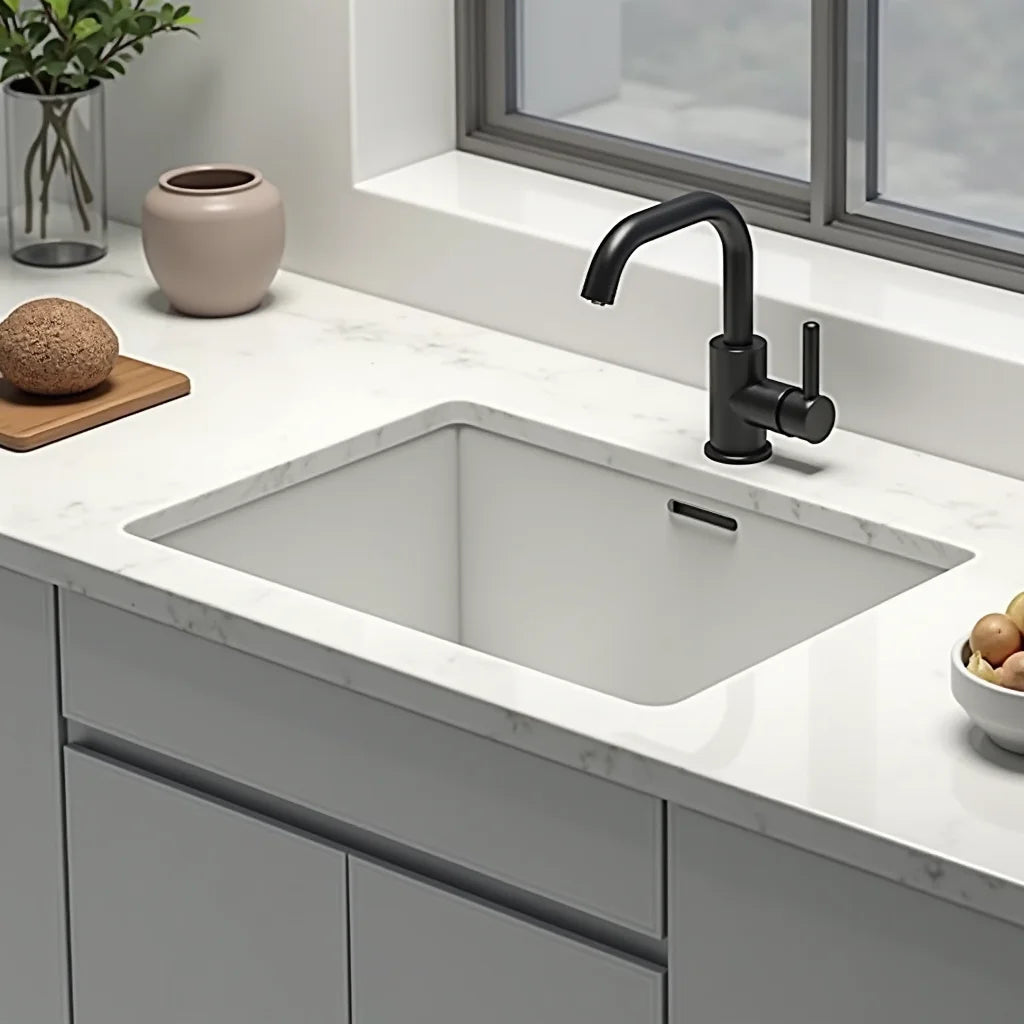
A below-counter bowl delivers a smooth counter-to-basin transition, so crumbs and water glide directly into the drain without catching on a rim. The look is refined, with the countertop surface flowing right to the edge of the bowl. Whether you enjoy quiet mornings or lively family cooking, this design supports a calm workspace and easy cleanup.
Choosing the right combination of basin material, bowl size, and faucet height can feel complex. A simple framework may help. First, match the countertop: stone and solid-surface pair well with under-counter mounting because they offer strong support and clean edges. Next, size the bowl to your cabinet width and tasks. Large roasting pans, baking sheets, and stockpots prefer a generous single bowl, while multi-taskers may appreciate a double-bowl layout for rinse-and-soak flexibility. Finally, consider the faucet. A tall, well-angled spout with good reach often makes dish duty smoother. If you are exploring fixture pairings, you may find this overview helpful: modern faucet guide.
In the sections below, you will find practical details, from edge reveals to sound dampening, plus a gentle pros-and-cons review. There is also a product spotlight with thoughtful faucet pairings, so your installation feels cohesive and comfortable.
Product Spotlight
A sleek, under-counter basin shines when paired with a graceful, easy-to-aim spout. Two styles can complement a seamless counter installation while supporting different preferences.
For those who value purification at the sink, a dual-outlet fixture can be a considerate choice. The Wasser solid brass faucet offers a dedicated stream for filtered or purified water alongside standard flow, which may reduce clutter compared with a separate filter tap. Its solid brass body helps with durability, while the distinct handles make it easier to manage separate water lines. Pairing this faucet with a deep single-bowl design supports filling tall pitchers and cleaning large pans without splashback. Be sure to align spout reach with the bowl center to keep water landing comfortably over the drain.
If you prefer a classic aesthetic with modern function, a pull-down sprayer in a heritage finish can be delightful. The antique brass pull-down faucet blends a warm tone with versatile spray modes for rinsing produce or clearing dishes. Its arched profile offers extra clearance over the bowl, which supports washing trays or baking sheets. The finish pairs well with natural stone counters, adding subtle contrast to the smooth, rimless sink opening.
When choosing a fixture to match your bowl, a few guidelines can make decisions gentler:
- Height and reach: Ensure the spout comfortably covers the center of the basin without excessive splashing on the deck.
- Handle clearance: Check that lever motion does not bump backsplash or wall edges.
- Finish harmony: Consider how stainless, brushed nickel, or warm brass complements your counter color and cabinet hardware.
- Water tasks: If you fill tall pots often, a high-arc design may be helpful. If you rinse delicate glassware daily, a soft spray mode is reassuring.
For broader browsing and coordinated looks, you may like to explore curated pieces in kitchen faucets. Thoughtful matching reduces visual clutter and can make your sink area feel balanced and welcoming.
Did You Know?
- Edge reveals come in three common styles: zero (flush with the counter edge), negative (counter slightly overhangs the bowl), and positive (bowl edge slightly visible). Negative reveal often hides the seam and may help crumbs glide in.
- Stainless steel thickness is measured in gauge; lower numbers mean thicker steel. Many homeowners find 16–18 gauge offers a reassuring balance of sturdiness and value.
- Sound-dampening pads and undercoating can reduce clatter from dishes and running water.
- Granite composite and quartz composite resist scratches well and offer a matte, stone-like look that hides water spots.
- Rounded (radius) corners are easier to wipe, while tight corners maximize flat space for pans.
- Mounting clips and quality silicone sealant help create a dependable hold under the deck; support rails or brackets may be used for heavier bowls.
- Templates and accurate cutouts are essential for clean lines and proper alignment with faucet and accessories.
Pros & Cons Analysis
-
Pros
- Smooth cleanup: No top rim, so crumbs and water slide directly into the basin.
- Refined appearance: Seamless line from countertop to bowl enhances a minimalist look.
- Flexible sizing: Deep single bowls support oversized cookware; double layouts support multitasking.
- Comfortable ergonomics: With the right spout height and reach, everyday washing feels simpler.
- Material variety: Stainless, composite, and fireclay options suit different styles and budgets.
-
Cons
- Countertop requirements: Typically suited to stone or solid-surface materials that hold clips securely.
- Precision needed: Accurate cutouts and careful sealing are important to avoid gaps at the edge.
- Installation access: Reaching clips and plumbing under the deck can be tighter than with a drop-in design.
- Potential chipping at the edge: Some counter materials may need gentle handling near the bowl cutout.
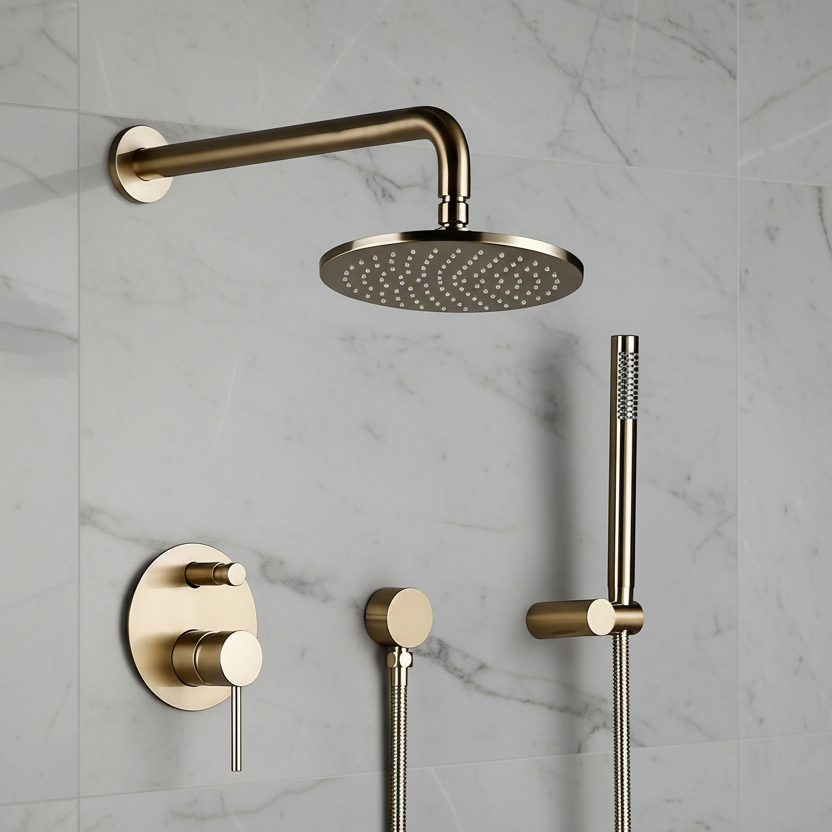
If you also hope to refresh your shower or bath space, coordinated fixture finishes can bring harmony across rooms. You could consider items that echo your kitchen’s metal tones and handle styles for a subtle, unified home aesthetic.
FAQ Section
What size bowl fits my cabinet?
Most base cabinets indicate a “minimum cabinet size,” which guides how wide a bowl can be. As a gentle rule of thumb, leave room for mounting hardware and the faucet. For example, a 30-inch cabinet often pairs with bowls around 27–28 inches, while deeper basins may require additional clearance for plumbing. Checking the specification sheet for outside dimensions, corner radius, and drain position can prevent surprises.
Can I use this style with laminate or tile?
Under-counter installations are most common with quartz, granite, or solid-surface because those materials support clips and clean cut edges. Laminate and certain tiles may not offer the same strength or edge finish without specialized methods. If your heart is set on laminate, a drop-in or flush-mount alternative might be kinder to the material. When in doubt, a professional fabricator’s advice is reassuring.
How do I care for stainless and composite bowls?
For stainless, a soft sponge with mild dish soap usually removes daily residue. Rinse and towel dry to reduce water spots. For composite or granite-look basins, gentle non-abrasive cleaners help keep the surface even. Avoid harsh scouring pads and strong chemicals. A sink grid can minimize scratches from heavy pots, and a strainer basket helps keep the drain area tidy.
Which edge reveal should I choose?
Zero reveal shows the cleanest seam, while negative reveal slightly overhangs the counter to hide the bowl edge. Positive reveal lets you see a small stainless lip and may aid in monitoring the seal. Many homeowners like the subtlety of negative reveal because crumbs and water are less likely to catch. If you prefer crisp lines, zero reveal can complement a minimalist style. Either way, precise templating and sealing are valuable.
Conclusion & CTA
A well-matched combination of counter, bowl, and faucet brings a sense of calm to everyday cooking. By considering bowl dimensions, material resilience, edge style, and spout ergonomics, you can create a workstation that works gently with your habits. If you are ready to explore fixtures that complement a rimless, below-counter installation, you may enjoy browsing Wasser solid brass faucet or discovering warm-toned options like the antique brass pull-down faucet. Thoughtful choices can help your undermount sink look and feel complete.
About the Author Section
Allfixture Editorial Team
The Allfixture team researches kitchen and bath fixtures with a focus on practical design and long-term value. We test real-world usability, compare materials, and highlight gentle installation insights. If you would like more ideas for pairing bowls and spouts, you are welcome to explore our curated kitchen faucets. Thank you for reading—we hope this guide was helpful.