Updated on: 2025-12-14
Thinking about a freestanding bathtub? This gentle guide clears up common myths, explains practical sizing and installation considerations, and offers a short, real-world story to help you decide with confidence. You will find simple maintenance tips, thoughtful layout ideas, and ways to coordinate fixtures for a cohesive look. The goal is to help you create a calm, comfortable bath retreat without stress or guesswork.
Table of Contents
- Introduction
- Myths vs. Facts
- Personal Experience
- Final Thoughts & Takeaways
- Q&A Section
- About the Author
Introduction
A sculptural, standalone tub can turn an ordinary room into a quiet sanctuary. Yet choosing the right model can feel overwhelming. Sizes vary, floor plans differ, and installation details can seem complex at first glance. This article offers a calm, practical path forward. You will find clear explanations of common misconceptions, gentle advice on layout and comfort, and a short story from real-life renovation experience. We will also touch on fixture coordination, water supply considerations, and low-effort cleaning routines so you can focus on unwinding rather than troubleshooting.
Freestanding Bathtub: Myths vs. Facts
There is a lot of mixed advice about standalone tubs. The points below separate belief from reality, with friendly guidance to help you plan with care.
-
Myth: These tubs only work in large bathrooms.
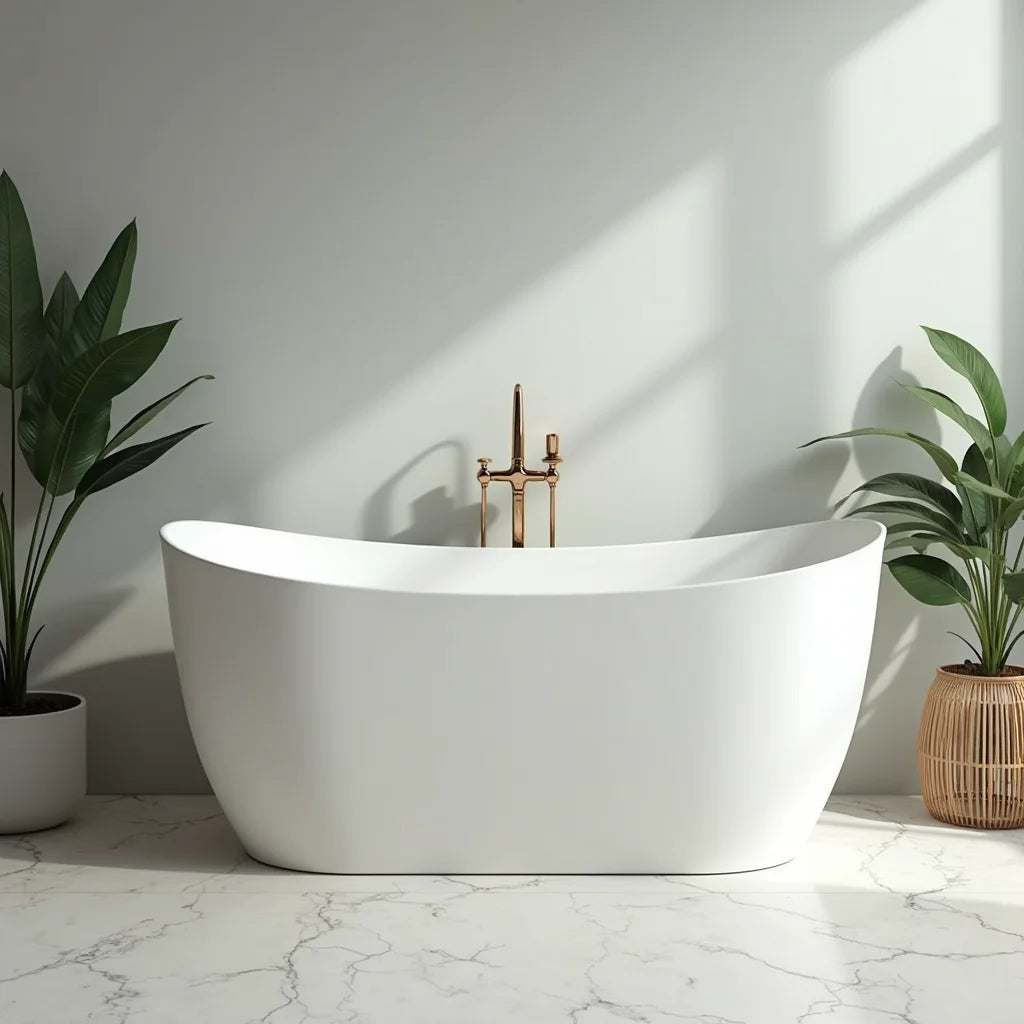
Fact: Compact oval or slipper designs, often in the 55–60 inch range, can fit modest rooms with ease. A simple rule of thumb is to leave comfortable walking space around the tub (often 3–4 inches from walls on at least one side) and ensure the door swing or vanity area remains unobstructed. -
Myth: Installation demands major plumbing changes.
Fact: Many projects need only small adjustments. Floor-mount drain kits and above-floor rough-in options reduce disruption. A licensed professional can confirm slope, venting, and trap placement, and suggest the most practical filler type (floor-mounted, deck-mounted on a nearby ledge, or wall-mounted spout). -
Myth: Cleaning around a standalone tub is difficult.
Fact: Smooth exteriors and minimal seams make wipe-downs simple. Leaving a bit of clearance from walls and placing a soft-bristle mop or microfiber wand nearby helps. For routine care, mild soap and warm water often suffice; harsh abrasives are rarely necessary and can be avoided. -
Myth: Comfort is poor because there is no back support.
Fact: Ergonomic shapes with a gentle recline support the neck and spine. Look for designs with a sloped back and a soaking depth that matches your preferences. If you like longer soaks, consider a slightly deeper basin and add a bath pillow for extra ease. -
Myth: Spills are inevitable without a built-in ledge.
Fact: A handheld sprayer and a small side table or caddy keep essentials close by. Floor-mounted fillers often include a handshower, while wall-mounted options free up floor space. Thoughtful placement and a modest bath mat help keep droplets contained and the floor dry. -
Myth: Materials are fragile or too high-maintenance.
Fact: Acrylic is lightweight, warm to the touch, and easy to clean. Solid-surface blends feel substantial and resist stains well. Cast iron is extremely durable, though heavier; confirm subfloor support if you choose it. Each option has strengths, so it is helpful to match the material to your habits and home. -
Myth: Matching fixtures is complicated.
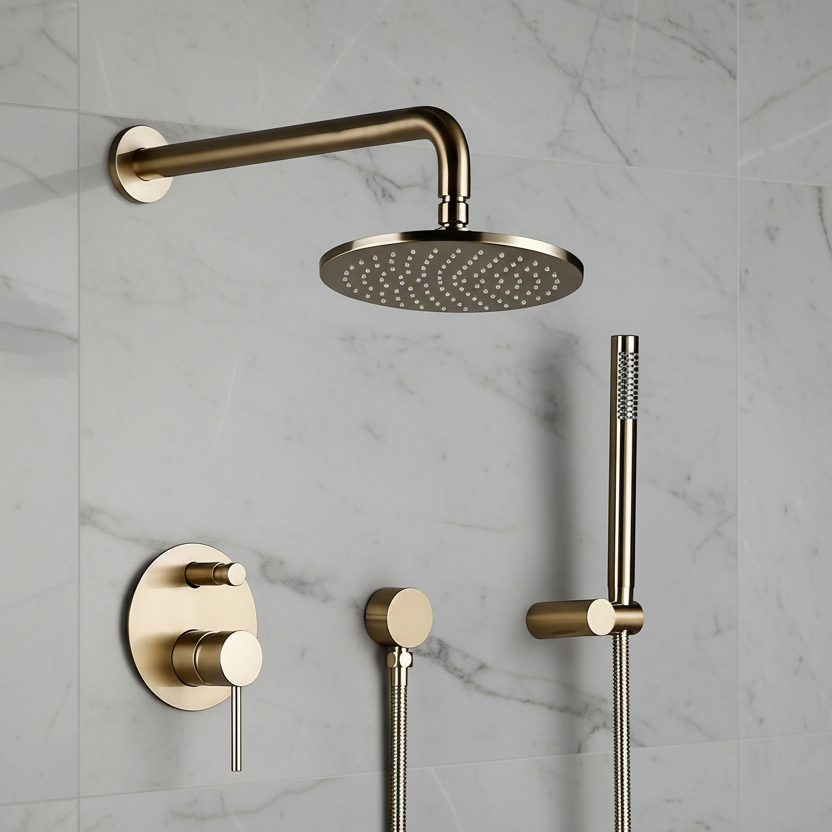
Fact: Coordinating is easier than it appears. Choose a filler finish that complements your bathroom faucets, then echo that finish in a towel bar or mirror frame. If your bath also includes a shower, consider a cohesive set—such as curated shower sets—to keep the space visually unified.
Personal Experience
During a recent refresh of a compact, light-filled bath, I worked with a homeowner who had always pictured a serene soaking corner. The room measured under 70 square feet, with a window that invited soft morning light. We explored a slim, 59-inch oval design with a gentle slope that supported the shoulders. The open floor beneath the tub made the space feel airy, and the clean silhouette brought instant calm.
Installation decisions were approached slowly and respectfully. A professional verified that the drain could be nudged a few inches without altering the overall layout. We selected a wall-mounted spout for simplicity and a handheld sprayer for easy rinsing. To keep essentials nearby, a narrow bath table sat close to the rim. Finishes were coordinated with existing hardware and a few upgrades, including a couple of thoughtfully chosen pieces from the client’s wish list of best-selling fixtures. The result felt tranquil and practical. The tub encouraged quiet moments in the evening, and maintenance proved to be light, thanks to smooth surfaces and gentle cleaning habits.
Final Thoughts & Takeaways
With mindful planning, a freestanding bathtub can be both a statement piece and a source of daily comfort. It is helpful to focus on fit, filler type, and cleaning routine before you buy. A few small decisions—such as where to place a handheld sprayer, how much clearance to leave, and how to coordinate finishes—often make the biggest difference over time.
- Measure carefully, including doorways and hall turns for delivery access.
- Confirm subfloor support for heavier materials and consider weight when filled with water.
- Pick a filler style (floor, wall, or deck) that suits your plumbing and layout.
- Keep cleaning simple: mild soap, soft cloths, and regular light wipe-downs.
- Echo one or two finishes throughout the room for a calm, cohesive look.
- If you enjoy research, you may appreciate curated buying guides before finalizing your plan.
Q&A Section
What size tub fits a small bathroom?
Many compact rooms are well served by models in the 55–60 inch range with a modest width and a softly tapered profile. Check clearances around the rim and confirm that doors, cabinets, and drawers open freely. If space is tight, place the tub near a wall on one long side to preserve a comfortable path through the room. Lightweight materials, such as acrylic, are easier to maneuver into smaller spaces and often feel pleasantly warm.
Do I need to move plumbing?
It depends on your current drain location and filler choice. Small adjustments are common and manageable, especially with above-floor rough-in kits or flexible trap placements. If you choose a wall-mounted spout, you may keep supply lines within the wall and reduce floor work. A floor-mounted filler offers flexibility for placement but may require a stable anchoring point. A licensed professional can evaluate slope, venting, and access panels to recommend the least disruptive path.
Which material is easiest to maintain?
Acrylic is often the most forgiving day-to-day: it wipes clean with mild soap and resists staining well. Solid-surface blends are also low-maintenance and feel substantial; they can be refreshed with gentle non-abrasive cleaners. Cast iron is highly durable and holds heat nicely, though it is heavier and may require subfloor checks. Whichever option you choose, simple, regular wipe-downs and soft cloths help preserve a smooth finish without harsh chemicals.
About the Author
Written by the Allfixture content team, specialists in thoughtful bath and kitchen fixture guidance. We focus on clear, kind explanations that respect your space, budget, and design goals. If you have questions, we are always glad to help you navigate options. Thank you for reading and wishing you a calm, beautiful home.