Updated on: 2025-12-20
Thinking about upgrading your shower for a calm, spa-like feel? This guide walks you through selecting, installing, and caring for an overhead rain-style fixture with confidence. You will find practical tips on size, materials, water flow, and maintenance, plus a gentle step-by-step plan for a smooth setup. We also address common questions about pressure, compatibility, and durability so you can make a careful, informed choice. When you are ready, you can explore curated options to match your style and budget.
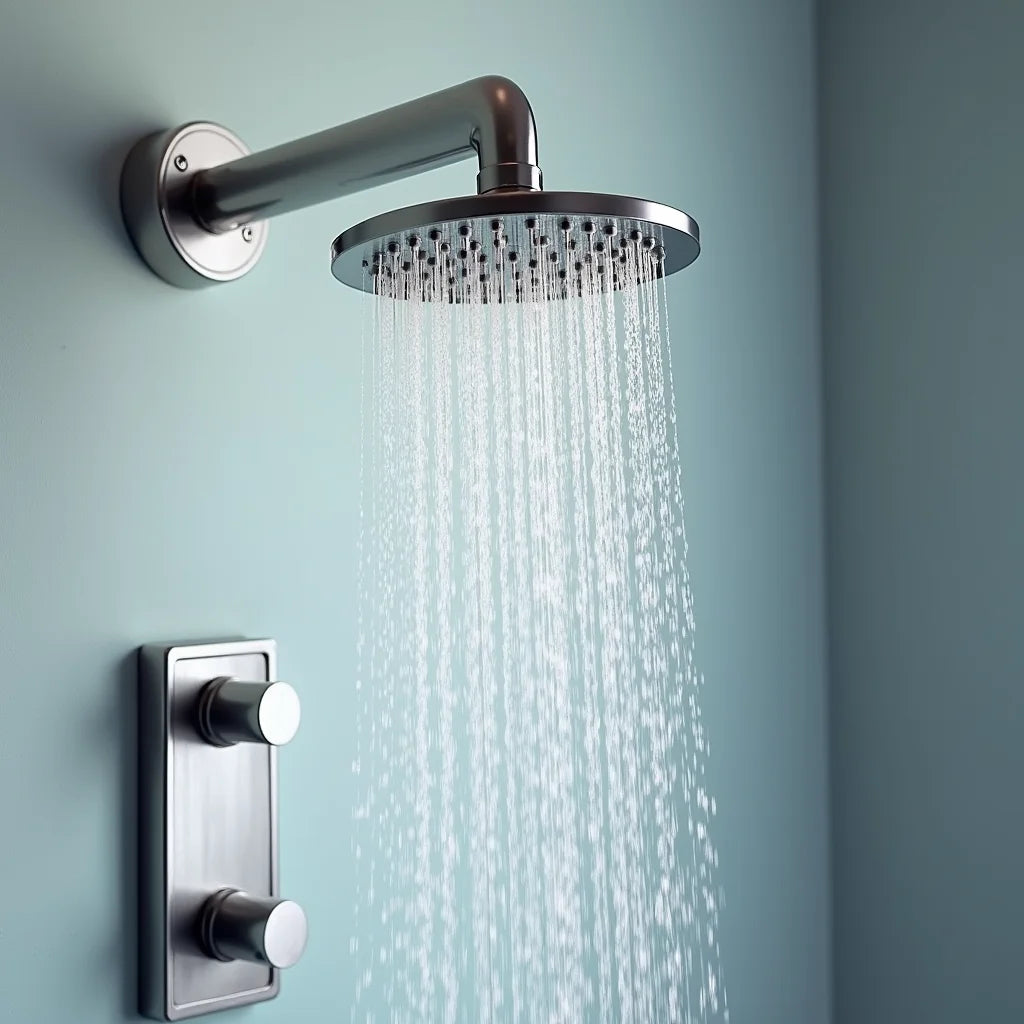
If you enjoy a gentle, full-coverage shower, a rainfall shower head can bring a serene, spa-like experience to your daily routine. The broad spray pattern is designed to fall softly from above, wrapping you in an even, soothing stream. In this guide, you will learn how to plan the upgrade, understand key specifications, and maintain your setup so it keeps performing beautifully.
How-To Steps
Below is a straightforward, friendly process for planning and setting up a tranquil overhead rain shower. Please consider safety and manufacturer guidance at every step.
- 1. Define your goal and budget. Decide whether you prefer a ceiling-mounted design for a true “rain from above” feel or a wall-mounted arm for simpler installation. Outline your budget to guide material choices and any needed plumbing work.
- 2. Measure water pressure and flow. Check your home’s water pressure with a simple gauge or ask a professional to confirm. Many wide spray plates feel best at moderate to higher pressure; if your pressure is low, look for heads designed to concentrate flow or models with air-infusion technology.
- 3. Choose ceiling or wall mounting. Ceiling mounting positions the spray directly overhead and often gives the most immersive feel. Wall mounting can be easier to install and maintain, especially if your plumbing is already in place.
- 4. Select the spray plate size. Typical diameters range from about 8 inches to 12 inches or more. Larger plates offer broader coverage, while smaller sizes are easier to fit in compact spaces and often work better with modest pressure.
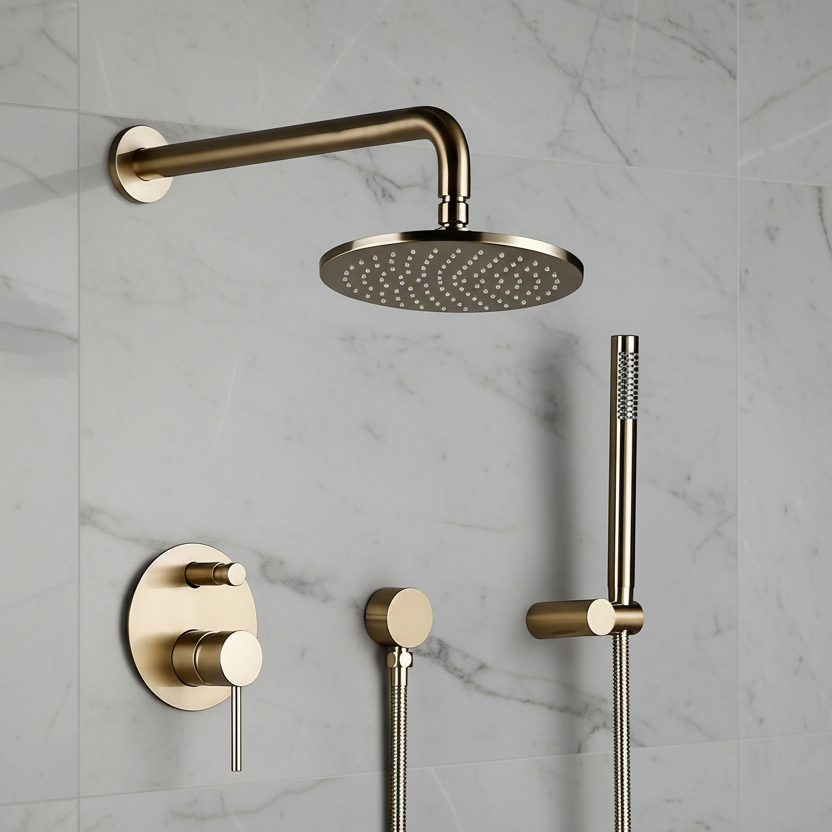
- 5. Pick durable materials and finish. Solid brass and stainless steel are known for longevity, with finishes such as brushed nickel, matte black, or vintage brass to match your décor. Consider the rest of your bath hardware for a coordinated look.
- 6. Confirm valve and arm compatibility. Ensure your existing mixing valve and shower arm can support the weight and connection type of the new head. If you plan a full refresh, consider a matched set for seamless function and style. You may find it helpful to browse Shop shower sets to see coordinated options.
- 7. Install carefully or consult a pro. Turn off water supply, protect surfaces, and follow the manufacturer’s instructions. Use thread seal tape on connections, tighten gently, and confirm there are no leaks. If anything feels uncertain, a licensed professional can help ensure a clean, safe result.
- 8. Test and fine-tune. Turn on the water and check the spray pattern. Adjust the arm angle if applicable, and verify the flow is even. Make small tweaks to achieve a balanced, comfortable shower experience.
- 9. Maintain with simple care. Wipe the spray face after use to reduce mineral buildup. If limescale forms, gently rub silicone nozzles to clear deposits. Periodic cleaning helps preserve water flow and finish.
Choosing the Right Rainfall Shower Head
Finding the right model is a balance of comfort, performance, and style. The points below can help you narrow choices without feeling overwhelmed.
- Spray coverage and comfort. Wider plates create a calm, enveloping stream that many people find relaxing. If you prefer a more focused feel, consider a mid-size plate or a model with multiple spray options.
- Flow rate and pressure. Pay attention to the gallon-per-minute rating and any pressure-boosting design features. If your pressure runs low, look for concentrated nozzle patterns or air-mixing technology that helps maintain a satisfying spray with less water.
- Materials and finishes. Solid brass offers weight and durability; stainless steel is corrosion-resistant and sleek. Choose a finish that complements your décor and other fixtures. For instance, pairing with matching trim or handles can create a cohesive look across the space. If you plan a complete update, a coordinated set like the Solid brass shower set may simplify decisions and installation.
- Mounting style. Ceiling-mounted designs place spray directly overhead for a true rain effect, while wall-mounted arms provide easier accessibility and often simpler maintenance. Consider ceiling height, enclosure size, and whether you like an adjustable arm.
- Ease of cleaning. Silicone nozzles that you can rub clean help remove mineral buildup quickly. A smooth, wipeable surface reduces water spots and keeps your fixture looking fresh.
- Compatibility with existing plumbing. Verify thread size, arm strength, and valve function. A lightweight fixture is easier on older arms, and a sturdy arm is best for heavier metal plates.
- Water efficiency. Look for models that balance comfort with conservation. Efficient spray engineering can deliver a satisfying feel while supporting responsible water use.
- Design harmony. Try to align the new head with other bathroom accents such as the faucet or hand shower. For complementary pieces, you might explore coordinated Bathroom faucets or browse Best-selling picks for inspiration.
A thoughtful selection process reduces guesswork and helps your upgrade feel cohesive and dependable for years to come. If you are torn between sizes, consider the distance from the spray plate to your shoulders during use; a plate that sits too high in a very tall ceiling may feel lighter than expected, while a plate too close may concentrate the stream more than you prefer.
FAQ
Will an overhead rain shower work with low water pressure?
It can, depending on the model and setup. If your pressure is modest, consider a smaller plate or a design that focuses flow through fewer nozzles. Air-infusion technology may help the spray feel fuller without using more water. Whenever possible, test comparable fixtures or consult a professional to gauge how the spray will feel in your home.
How large should the shower plate be for a small bathroom?
Many compact spaces feel comfortable with an 8–10 inch plate. This size tends to deliver an even stream without overwhelming the enclosure or requiring very high pressure. Placement also matters: keeping the spray centered helps avoid splashing that can occur in tighter layouts.
Which materials last longer and stay looking new?
Solid brass and stainless steel are both reliable choices. Solid brass provides weight and a premium feel; stainless steel resists corrosion and offers a modern look. Whichever you choose, consistent gentle cleaning and drying after use can keep finishes clear and reduce mineral spotting over time.
Closing Thoughts
A calm, even spray can turn a routine rinse into a simple daily luxury. With a careful plan, the right dimensions, and a durable finish, a rainfall shower head can offer comfort and style without complication. If you are considering a coordinated update, you may enjoy exploring curated options in Shop shower sets. When you feel ready, a gentle, step-by-step approach will help your new setup feel welcoming from the first turn of the handle.
About the Author
Written by the Allfixture content team, specialists in bathroom and kitchen fixture guidance. We focus on clear, practical advice so you can choose with confidence and ease. For ideas that pair beautifully with your shower, consider our curated Bathroom faucets. Thank you for reading, and we hope your next refresh feels simple and satisfying.
New to shower systems? Start with our complete buyer's guide: How to Choose a Complete Shower System.